PT 109
1963
No user ratings available yet
Representation score: 0.3 out of 10
Representation Score
Limited
1971
PGDirector
Peter Yates
Runtime
107 minutes
Average Rating
No ratings yetNew Showbiz Analysis
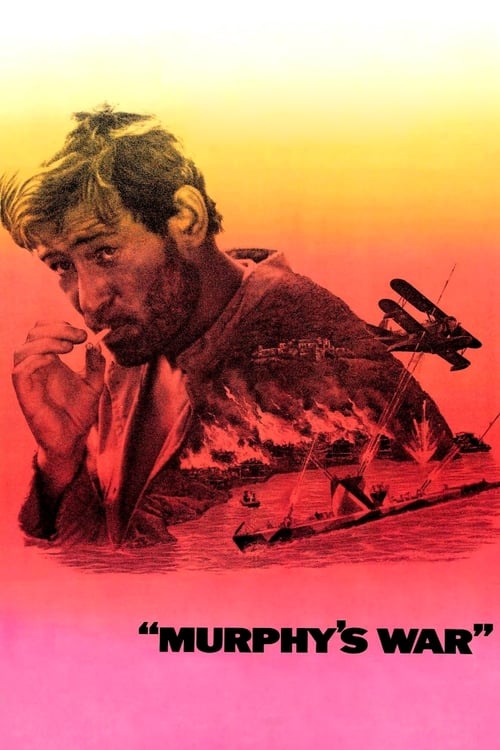
Murphy's War is a gritty, character-driven drama that prioritizes psychological realism over broad demographic representation. The film centers on a masculine conflict of vengeance, limiting its scope regarding gender and LGBTQ+ representation. While the film lacks diversity in terms of race and disability, it delves into cultural subversion. It avoids simplistic good-versus-evil clichés, instead exploring the cyclical nature of violence and the ambiguity of political struggle. Ultimately, the film's strength lies in its deconstruction of traditional heroism, even as it remains tied to the narrow social perspectives of its era.
Category Breakdown
The film adheres to a traditional framework that assumes everyone is straight or cisgender. There are no representations of non-traditional gender identities or same-sex relationships.
The story focuses on a male psychological struggle. Female characters are limited to peripheral roles, reinforcing traditional gender hierarchies.
The cast reflects the racial demographics of the time but lacks a multi-ethnic ensemble. It does not intentionally cast actors from diverse backgrounds in central roles.
The film challenges traditional Western wartime clichés by embracing moral relativism. It explores the complexities of sovereignty and the breakdown of state authority through a post-colonial perspective.
Physical trauma is used primarily as a plot device to drive the conflict. There is no meaningful depiction of disability or neurodivergence with real depth.
Present on Screen
Limited or Absent
Official Synopsis
Murphy is the sole survivor of his crew, that has been massacred by a German U-Boat in the closing days of World War II. He is rescued, and ends up at a forgotten mission station near the mouth of the Orinoco, and begins to plot his vengeance. He wishes to sink the U-Boat by means of any method imaginable to him, and sets about to make the courageous attempt, assisted by Louis, the administrator of the local oil company.
1963

1962

1963
1958
1968
1940
1960

1942
No reviews yet. Be the first to share your thoughts on this movie!
Use the rating form above to leave a star rating and optional review.