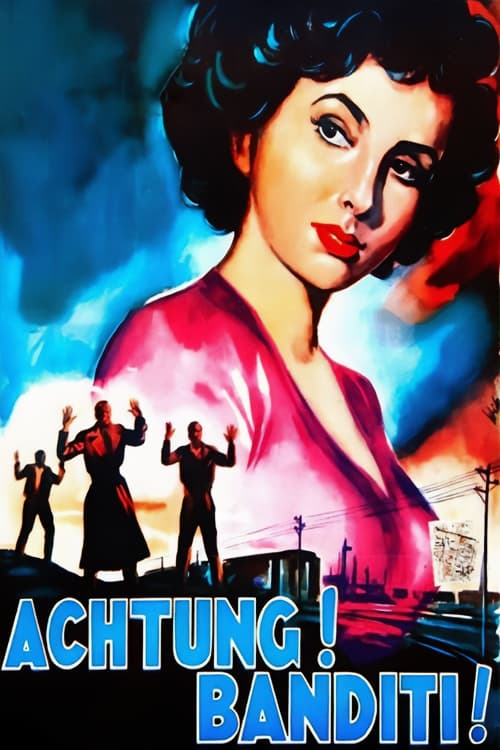
Attention! Bandits!
1951
No user ratings available yet
Representation score: 1.8 out of 10
Representation Score
Limited
1963
Director
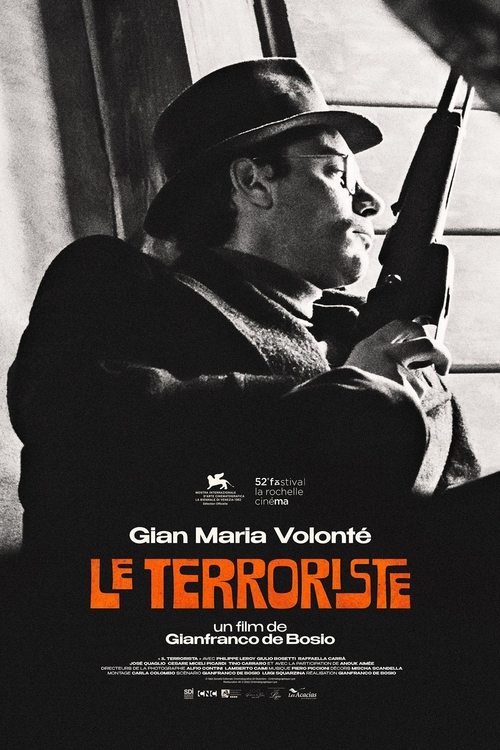
Gianfranco De Bosio
Runtime
95 minutes
Average Rating
No ratings yetNew Showbiz Analysis
The Terrorist is a period drama that emphasizes ideological and political conflict over individual identity representation. Its strength lies in its thematic subversion of authority and its critique of systemic oppression, providing a progressive perspective on cultural analysis. However, the film lacks diversity in terms of gender, race, and identity. The cast and narrative focus reflect the historical homogeneity of 1940s Italy, offering limited representation for women, LGBTQ+ individuals, or people with disabilities. Ultimately, the film is a study of political radicalization rather than a diverse social tapestry, trading demographic breadth for deep thematic engagement with anti-institutional sentiment.
Category Breakdown
The film does not include any LGBTQ+ characters or non-straight relationships. The focus is solely on political dynamics and ideological struggles.
The film centers on male-dominated political cells and does not depict women as primary drivers of the political or violent plot.
The setting reflects the demographic homogeneity of the Italian resistance era. The focus remains on European class struggle without addressing multi-layered racial dynamics.
The film engages deeply with themes that challenge Western institutional narratives. It critiques state-sanctioned morality and existing power structures.
There are no characters with physical or neurodivergent disabilities featured in the primary narrative arc.
Present on Screen
Limited or Absent
Official Synopsis
In Venice in 1943, a group of partisans led by Renato Braschi organize a series of autonomous terrorist attacks against the fascists while the National Liberation Committee urges caution. Renato is determined to carry out his ideas, risking his own life, and not only that...
1951
1945
1962
1959
1964
1961
2000
1960
No reviews yet. Be the first to share your thoughts on this movie!
Use the rating form above to leave a star rating and optional review.