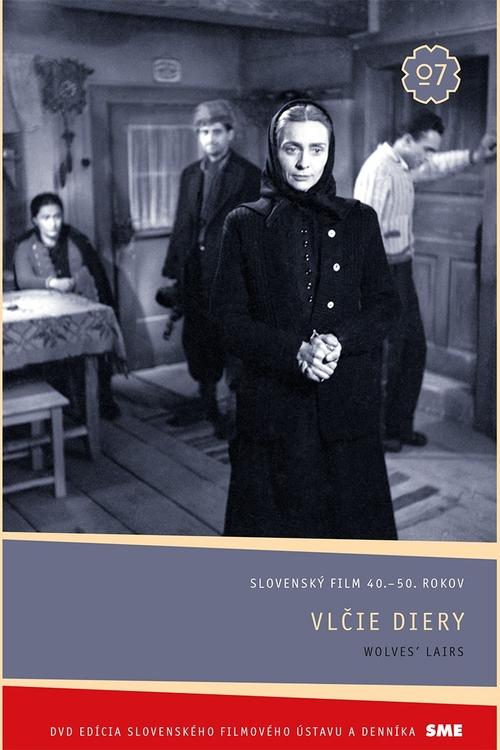
Wolves' Lairs
1948
No user ratings available yet
Representation score: 5.1 out of 10

Representation Score
Limited
1959
Director
Paľo Bielik
Runtime
100 minutes
Average Rating
No ratings yetNew Showbiz Analysis
Kapitán Dabač is a period drama that primarily serves as a critique of systemic authority. It follows a transformative arc where a military officer rejects fascist structures to join a revolutionary insurgency. The film's strength lies in its thematic depth, using the protagonist's internal doubts to explore moral complexity rather than simple heroism. However, the work is limited by the cinematic conventions of 1959. It lacks representation for LGBTQ+ identities and disabilities, and the narrative remains heavily centered on masculine leadership clichés.
Category Breakdown
The film does not include any characters with non-straight sexual orientations or gender identities. The story focuses solely on the male protagonist's journey through political struggle.
The narrative is driven by a male officer's experiences during wartime. Although there may be female characters involved in the uprising, the main storyline revolves around male leadership.
Set in Ukraine and Slovakia, the film highlights a multi-ethnic environment. The conflict between fascist forces and local resistance movements suggests a complex ethnic landscape.
The film effectively critiques fascist hierarchies and traditional state institutions. It emphasizes collective resistance and anti-establishment values over religious or nationalist stability.
There are no characters with physical or neurodivergent disabilities in the film. The plot centers on military and revolutionary conflicts.
Present on Screen
Limited or Absent
Official Synopsis
The drama of a young Slovak army officer who gradually realises the horrors of fascism during the fighting in Ukraine. On his return to Slovakia, he joins the SNP. However, he cannot overcome his loner attitude or his doubts about the meaning of partisan activity.
1948

1996

1956
1962
1980
1983
1960
1955
No reviews yet. Be the first to share your thoughts on this movie!
Use the rating form above to leave a star rating and optional review.