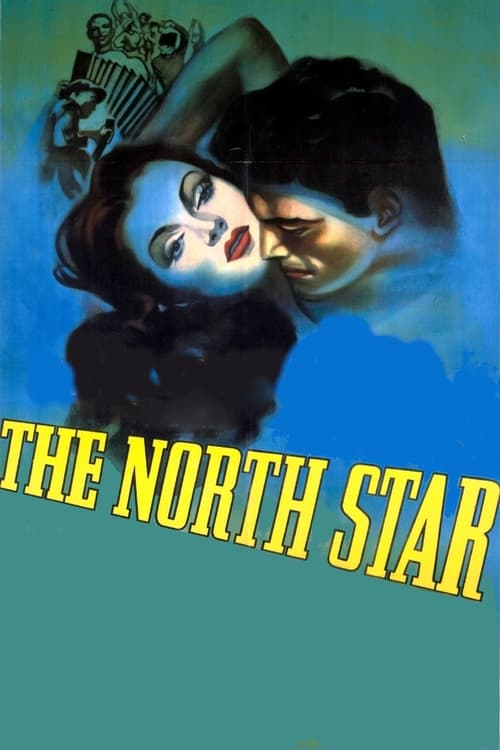
The North Star
1943
No user ratings available yet
Diversity score: 4.9 out of 10
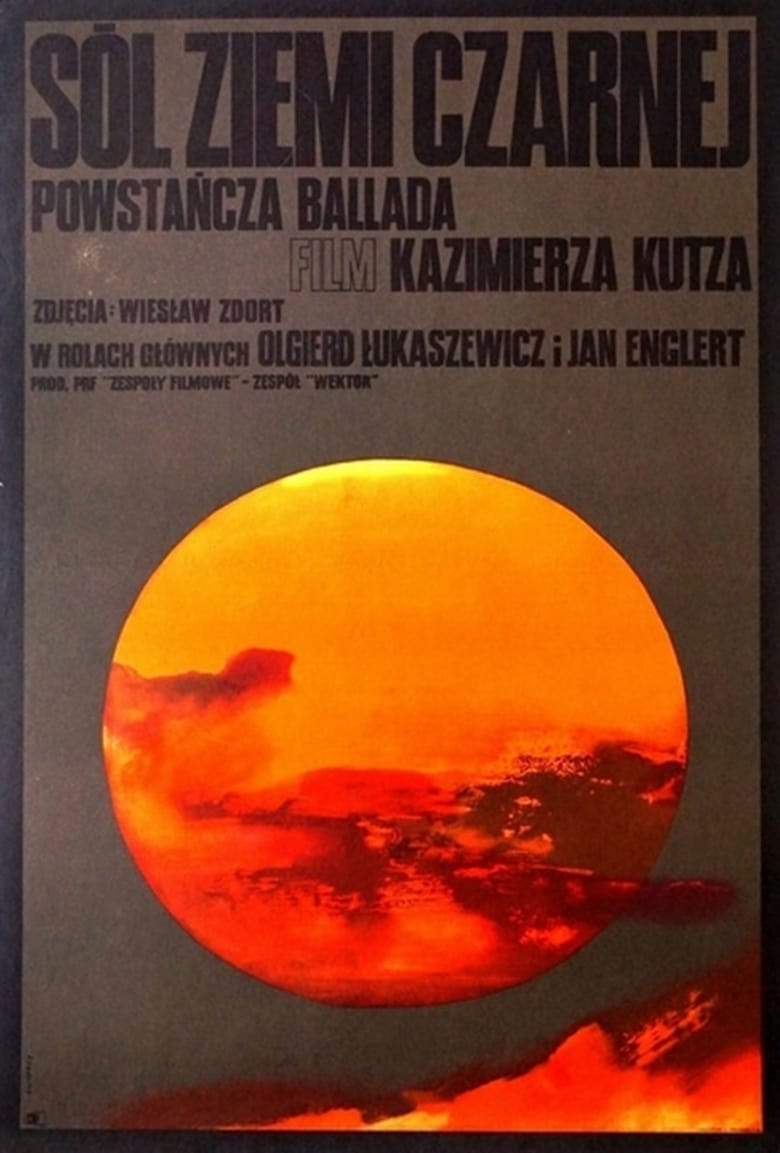
1970
Director
Kazimierz Kutz
Runtime
99 minutes
Average Rating
No ratings yetSynopsis
During the 1920 Silesian uprising, seven brothers take part in the struggle with the Germans to keep the region in the Polish hands.
Overall Score
Fair
Category Breakdown
LGBTQ+ Representation
The film lacks LGBTQ+ characters or non-heteronormative identities. The story focuses exclusively on the traditional familial and communal bonds of the Polish peasantry.
Gender Representation
Women appear within domestic and communal spheres, but the political and physical struggle is driven by male protagonists. The film reflects the historical social hierarchies of the early 20th-century rural landscape.
Racial & Ethnic Diversity
The narrative centers the Polish experience under Prussian rule, disrupting Western-centric historical perspectives. It effectively uses the landscape to explore ethnic belonging and resistance against imperialist powers.
Religious & Cultural Diversity
The film critiques state authority by portraying the Prussian administration as an oppressive force. While Catholicism serves as a cultural marker, the focus remains on deconstructing imperial power dynamics.
Disability Representation
There are no prominent depictions of physical or neurodivergent disabilities used as central character traits or plot devices.
Strengths
Areas for Improvement
AI Analysis
The Taste of the Black Earth is a powerful exploration of ethnic identity and resistance against imperial hegemony. By centering the Silesian uprising, it provides a necessary counter-narrative to dominant Western historical perspectives, emphasizing the struggle of a marginalized group for sovereignty. However, the film remains tethered to the social constraints of its era. The gender dynamics are traditional, with agency largely reserved for men, and there is a complete absence of LGBTQ+ representation. Ultimately, the film's value lies in its sophisticated critique of institutional power and its focus on the working class as the true protagonists of history.
1943
1983
1976

1971
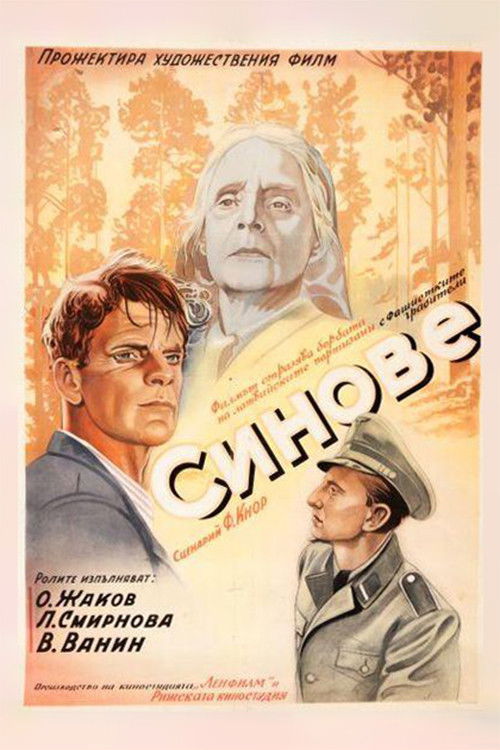
1946
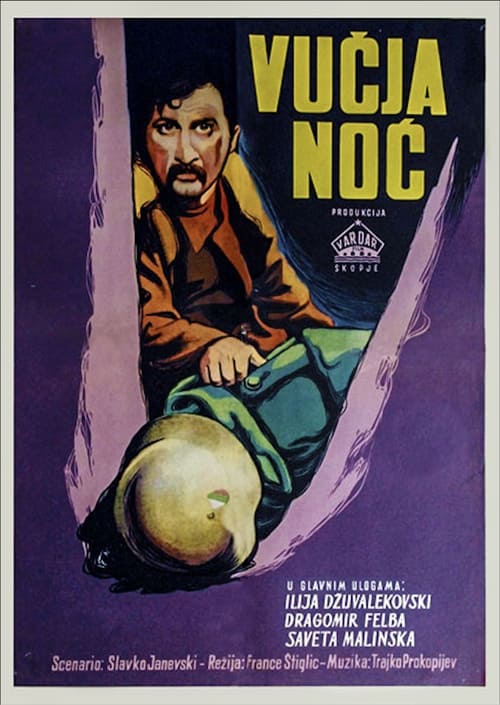
1955
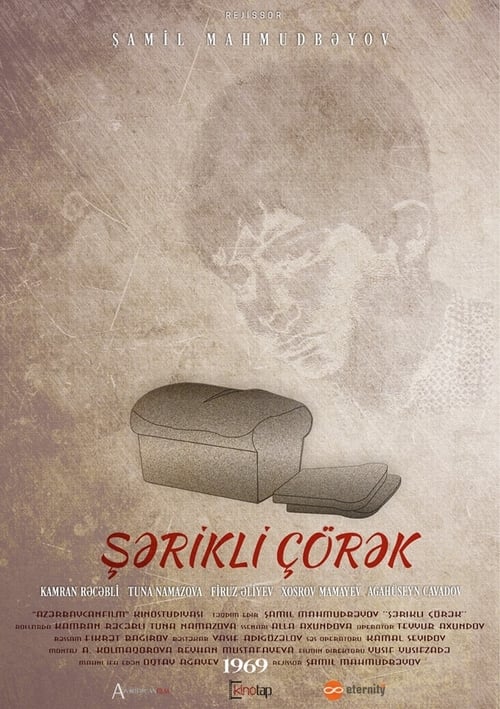
1969
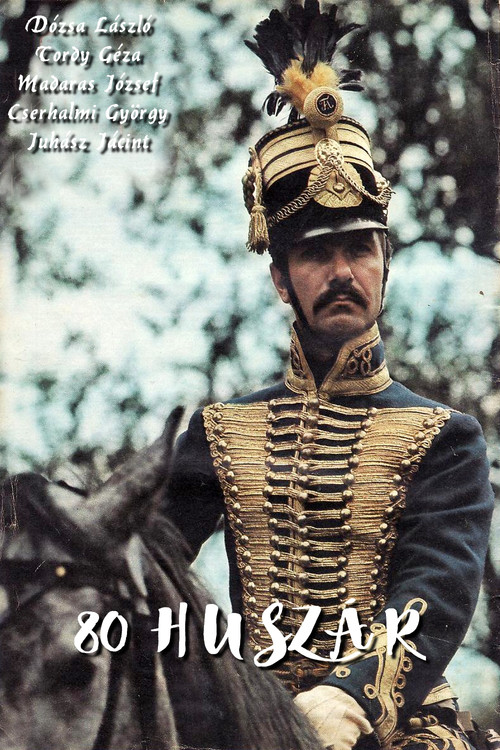
1978
1975

1959
2013
1996
No reviews yet. Be the first to share your thoughts on this movie!
Use the rating form above to leave a star rating and optional review.