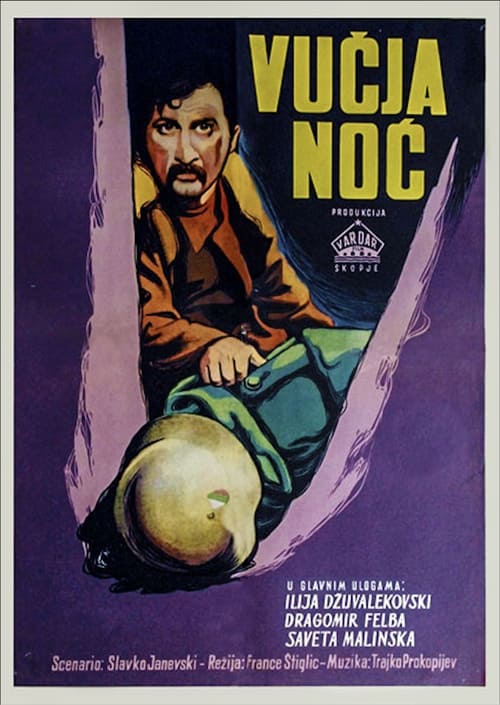
Wolf's Night
1955
No user ratings available yet
Diversity score: 5.3 out of 10

1943
NRDirector
Douglas Sirk
Runtime
84 minutes
Average Rating
No ratings yetSynopsis
In 1942, a young paratrooper in the RAF returns to Czechoslovakia to encourage his fellow countrymen to sabotage the German war effort.
Overall Score
Fair
Category Breakdown
LGBTQ+ Representation
The film lacks LGBTQ+ characters or non-heteronormative identities. The narrative focuses strictly on political allegiance and personal morality within a 1940s context.
Gender Representation
The story follows traditional gender hierarchies of the era. While women provide emotional stakes, the plot is driven by the male protagonist's moral crisis and actions.
Racial & Ethnic Diversity
The film highlights the persecution of Jewish people through the protagonist's relationship with a Jewish woman. This presence challenges the monolithic presentation of the Nazi state.
Religious & Cultural Diversity
The narrative offers a profound critique of totalitarianism and state corruption. It validates individual conscience and moral rebellion against the oppressive authority of the Nazi regime.
Disability Representation
There is no evidence of characters with visible or invisible disabilities serving as central plot devices or being depicted within the narrative.
Strengths
Areas for Improvement
AI Analysis
Hitler's Madman serves as a complex historical artifact that balances wartime propaganda with a sophisticated critique of systemic oppression. While it adheres to the era's limited gender and LGBTQ+ visibility, it succeeds in deconstructing authoritarian power dynamics. The film's strength lies in its ability to use marginalized identities to challenge the prevailing social hierarchy. By centering the conflict on the human cost of racialized state violence, it moves beyond a simple soldier's tale. Ultimately, the film's value is found in its structural rebellion. It replaces the standard heroic archetype with a study of individual dissent against a corrupt, centralized state.
1955

1970
1946

1963
1948

2012
1946
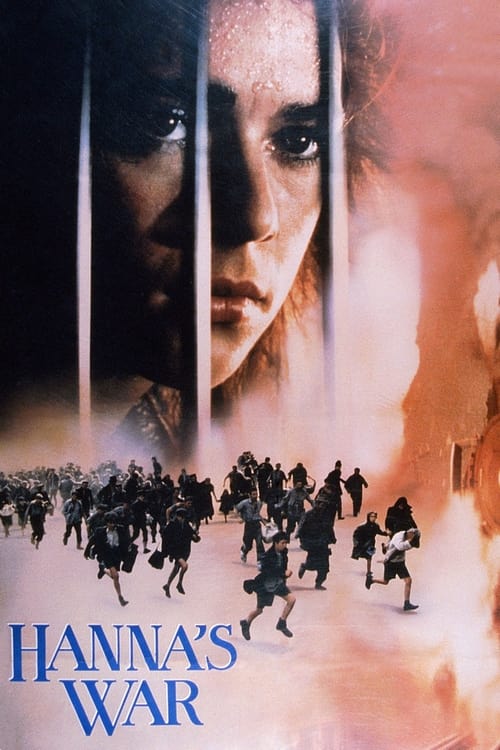
1988

1959
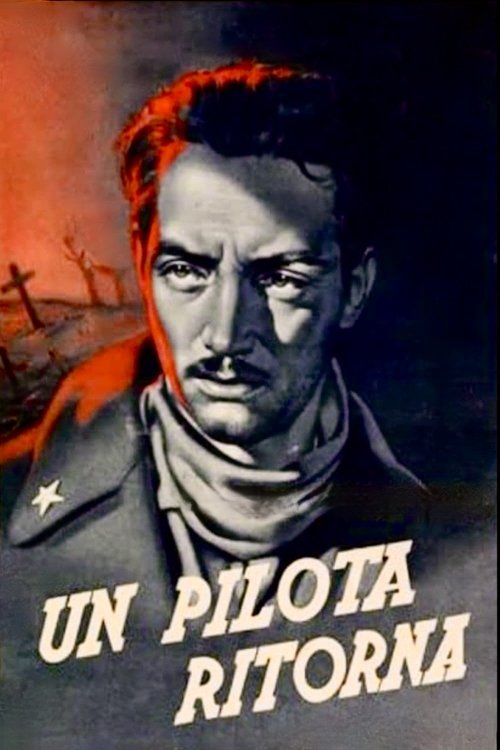
1942
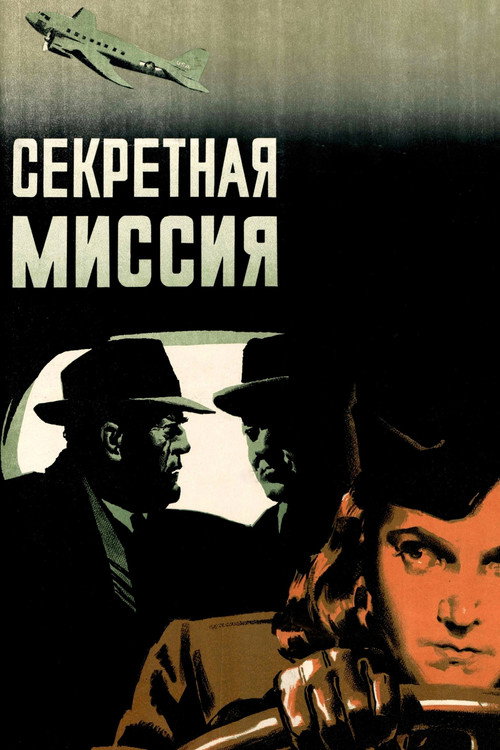
1950
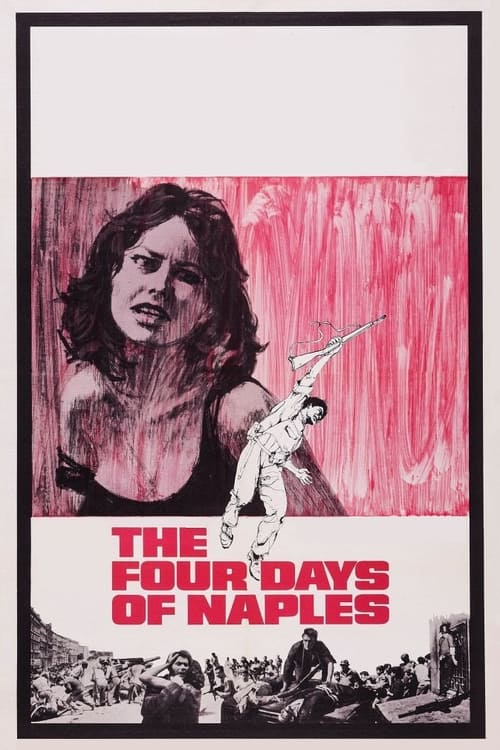
1962
No reviews yet. Be the first to share your thoughts on this movie!
Use the rating form above to leave a star rating and optional review.