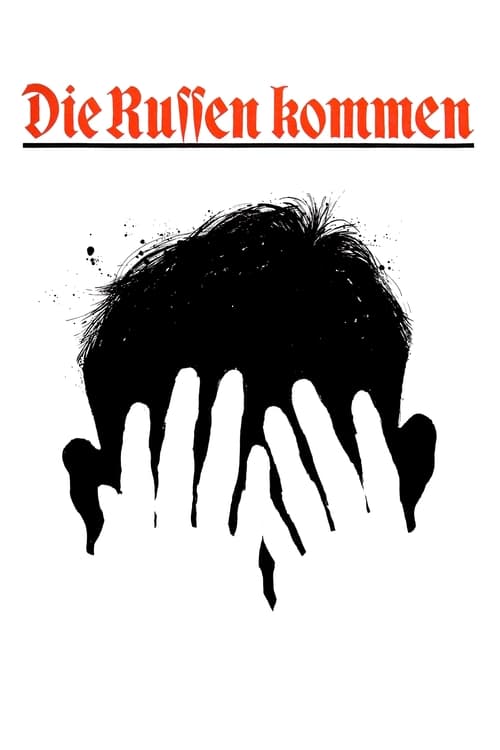
The Russians Are Coming
1968
No user ratings available yet
Representation score: 6.0 out of 10

Representation Score
Good
1968
Director
Juraj Jakubisko
Runtime
99 minutes
Average Rating
No ratings yetNew Showbiz Analysis
Juraj Jakubisko’s work serves as a profound critique of systemic failure and the cyclical nature of human conflict. By weaving together World War I, World War II, and a nuclear apocalypse, the film moves beyond simple historical reenactment to examine the collapse of global stability. The film's strength lies in its refusal to offer a comforting or traditional view of history. It prioritizes historical truth over state-sanctioned propaganda, notably through the director's use of authentic footage from the Soviet invasion. While the film lacks modern identity-based representation, its narrative structure is deeply invested in questioning the morality of state-driven conflict. It views traditional institutions as catalysts for human suffering rather than protectors of civilization.
Category Breakdown
The film focuses on the large-scale traumas of war and apocalyptic scenarios. There is no clear indication of subplots related to LGBTQ+ identities or non-traditional gender roles.
The story covers the destruction caused by three major conflicts. While war can break down traditional gender roles, there are no specific examples of individual characters challenging these norms.
The film's scope is international, covering multiple global conflicts. This suggests a broad view of humanity rather than a narrow, homogeneous perspective.
The work criticizes established political and military institutions. It favors a skeptical view of centralized authority and traditional patriotism.
The film likely explores the physical and psychological impacts of mass conflict. However, there is no specific mention of characters with disabilities taking an active role.
Present on Screen
Limited or Absent
Official Synopsis
An apocalyptic story of three wars in three film tales encompassing the end of the WWI,WWII, as well as a vision of the world destroyed by nuclear weapons. This film was honored at the film festivals in Venice and Sorrento. Immediately after that the copy with Italian subtitles was locked in a safe as evidence of the anti-communist activities of the director, who used real footage of the Soviet invasion.
1968
1946
1983
1977
1959
1966
1965
1984
No reviews yet. Be the first to share your thoughts on this movie!
Use the rating form above to leave a star rating and optional review.