Children of Hiroshima
1952
No user ratings available yet
Representation score: 6.7 out of 10
Representation Score
Good
1965
Director
Park Sang-ho
Runtime
62 minutes
Average Rating
No ratings yetNew Showbiz Analysis
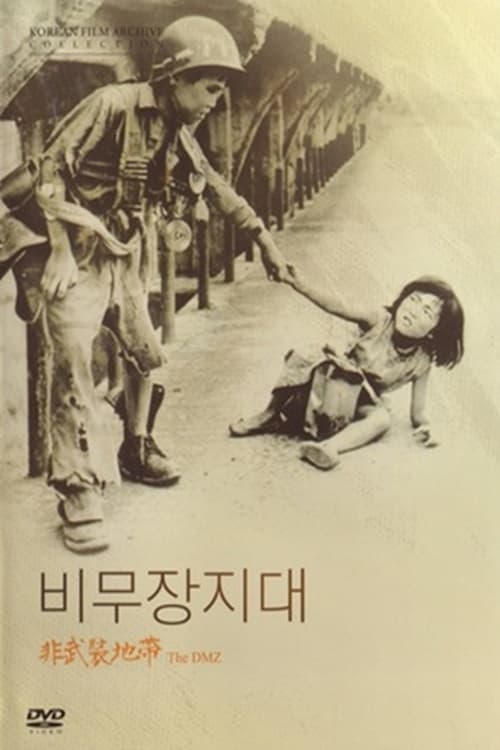
Park Sang-ho’s film shifts the focus of war cinema from geopolitical victories to the raw vulnerability of individuals. By centering on children stranded in the DMZ, the narrative avoids romanticizing military institutions and instead highlights the breakdown of authority and safety. The film's strength lies in its authentic reclamation of the Korean experience, presenting a localized critique of systemic violence. It moves away from idealized heroism to explore the harsh realities of survival amidst human-driven atrocities. However, the film lacks the diverse identity markers expected in modern media. While it challenges certain clichés, it remains limited by the era's cinematic constraints regarding specific identity-based representation.
Category Breakdown
The film does not include explicit evidence of LGBTQ+ characters or non-cisgender identities. The narrative centers on survivalist themes rather than exploring identity issues.
By focusing on children, the film may challenge traditional gender hierarchies among adults. However, specific details about the gender dynamics of the characters are not verified.
The film features a predominantly Korean cast, reclaiming narrative control for the peninsula's inhabitants. It avoids the typical Western perspective often seen in international war films.
The film critiques systemic violence by portraying the DMZ as a place of human suffering. It avoids glorifying nationalism and instead presents a somber view of conflict.
The presence of landmines and unexploded shells suggests a high risk of physical injuries. It is unclear whether these portrayals give injured characters real ability to act or merely depict tragedy.
Present on Screen
Limited or Absent
Official Synopsis
The film exposes the atrocities of war through the eyes of two children who are stranded in the DMZ after the end of the Korean War. The DMZ, strewn with abandoned tanks, dead bodies, land mines, and unexploded shells, is an exceedingly dangerous place for children. But what most endangers them in the end are not weapons but people.
1952
1959
1962
1952
1998
1965

2016
1962
No reviews yet. Be the first to share your thoughts on this movie!
Use the rating form above to leave a star rating and optional review.