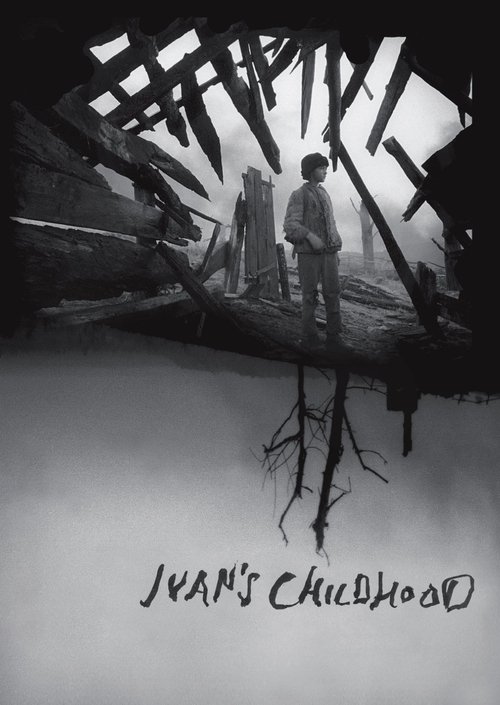
Ivan's Childhood
1962
No user ratings available yet
Representation score: 4.0 out of 10
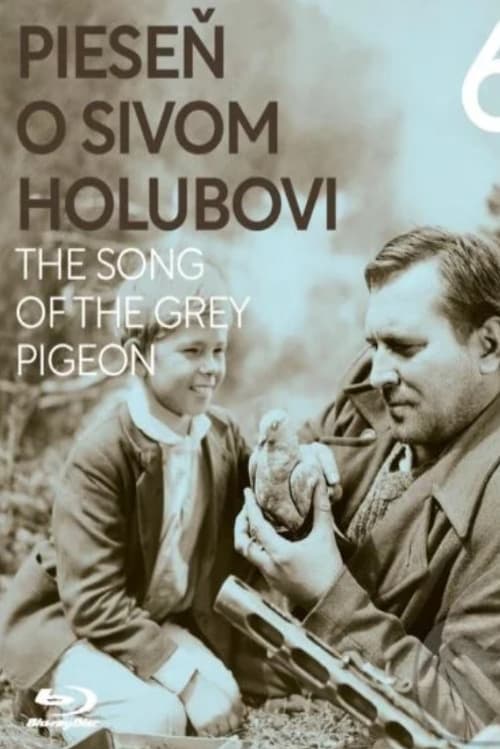
Representation Score
Excellent
1961
Director
Stanislav Barabáš
Runtime
98 minutes
Average Rating
No ratings yetNew Showbiz Analysis
Stanislav Barabáš presents a wartime drama that shifts the focus away from adult authority and centers the narrative on children and female combatants. The film avoids standard heroic formulas, opting instead for a study of ability to act and moral responsibility amidst systemic collapse. The work succeeds in presenting a nuanced view of gender and international cooperation. By including a female guerrilla fighter and cross-border characters, the film moves beyond a narrow, homogeneous perspective of the conflict. However, the film remains limited by its era, offering a neutral baseline for LGBTQ+ representation. The focus remains heavily on the sociopolitical realities of the resistance movement and the innocence of childhood.
Category Breakdown
The film does not include any explicit LGBTQ+ characters or identities that go beyond the assumption that everyone is straight. The story focuses on wartime resistance and the growth of child protagonists.
A young Russian woman trained in guerrilla warfare provides a significant departure from traditional feminine clichés. Her role as a combatant offers tactical control rather than passive victimhood.
The inclusion of a Russian guerrilla fighter introduces cross-border ethnic dynamics, moving the story beyond a purely localized experience toward a more international perspective.
The film engages with anti-authoritarian themes by framing the occupation as a systemic force of oppression. It prioritizes collective resistance and moral struggle over individualist ideals.
While human disability is not explicitly shown, the wounded pigeon serves as a metaphor for vulnerability. The story explores the ethics of care and physical fragility.
Present on Screen
Limited or Absent
Official Synopsis
An unusual children's film set during World War II in Czechoslovakia, this compelling drama unfolds five different segments that present the war through the eyes of three youngsters. The three have a series of adventures which include saving a soldier from being captured by the Germans, helping out the resistance fighters, and meeting up with a young Russian woman trained in guerrilla warfare. As they learn more about life and danger, various circumstances constantly recall the reality of war itself. The title comes from a wounded pigeon under the care of one of the youngsters.
1962
1952
1960
1948
1965
1953
1965
1978
No reviews yet. Be the first to share your thoughts on this movie!
Use the rating form above to leave a star rating and optional review.