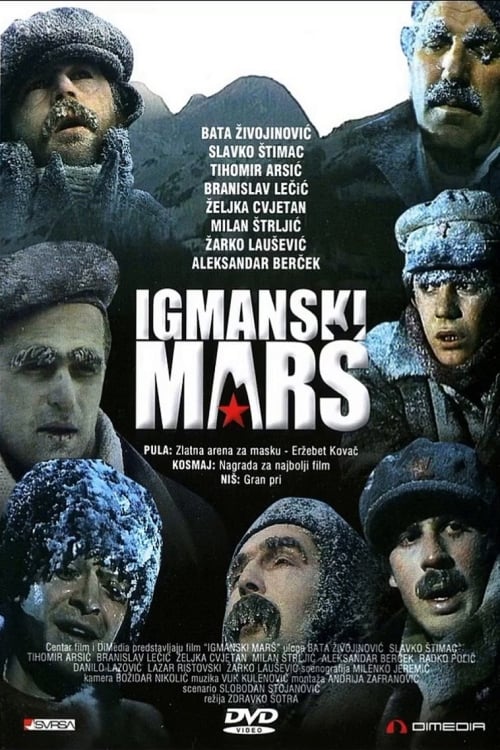
The Igman March
1983
No user ratings available yet
Representation score: 7.4 out of 10
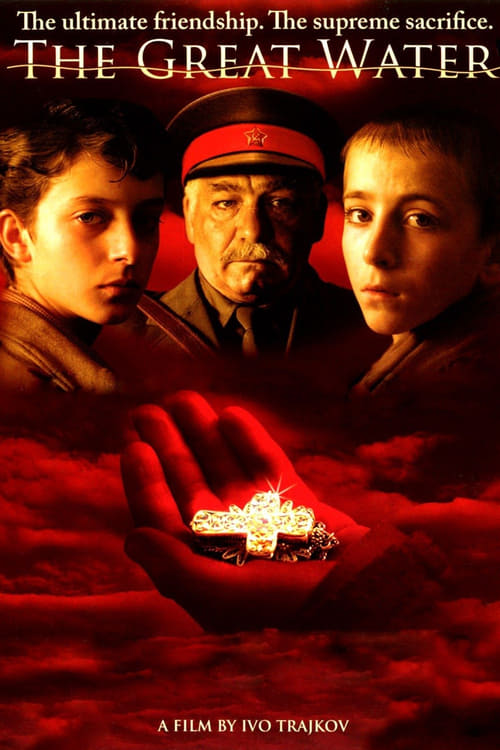
Representation Score
Good
2004
Director
Ivo Trajkov
Runtime
93 minutes
Average Rating
No ratings yetNew Showbiz Analysis
The Great Water is a historical reflection that prioritizes political and systemic examination over individual identity representation. Its main strength lies in its cultural critique of the post-Stalinist era and the complexities of shifting ideologies. While the film engages with the multi-ethnic reality of Yugoslavia, it lacks specific evidence of diverse gender or LGBTQ+ representation. The narrative structure focuses heavily on male perspectives and the intersection of aging and political decay. Ultimately, the film succeeds as a nuanced look at historical narratives, even if it lacks explicit multi-layered character depth.
Category Breakdown
The film does not include any visible LGBTQ+ characters or non-straight relationships. The story focuses on aging and historical memory within a specific political time.
The story centers around a male protagonist and a young boy, suggesting a male-focused perspective. There are no female characters who play a significant role in driving the plot.
Set in Stalinist Yugoslavia, the film addresses a historically multi-ethnic region. However, there is no clear evidence of intentional casting that reflects multiple aspects of diversity.
The film strongly critiques historical power structures and ideological shifts. It emphasizes the deconstruction of traditional institutions during a period of systemic change.
The protagonist's declining health introduces themes of physical frailty. It is unclear if this illness is explored through personal experience or used as a political metaphor.
Present on Screen
Limited or Absent
Official Synopsis
An ailing communist reflects on a young boy childhood in Stalinist Yugoslavia.
1983

1996
1978
1962
2011
1975
1967

1959
No reviews yet. Be the first to share your thoughts on this movie!
Use the rating form above to leave a star rating and optional review.