
Careless Lady
1932
No user ratings available yet
Representation score: 1.7 out of 10
Representation Score
Minimal
1932
PassedDirector
Roy Del Ruth
Runtime
65 minutes
Average Rating
No ratings yetNew Showbiz Analysis
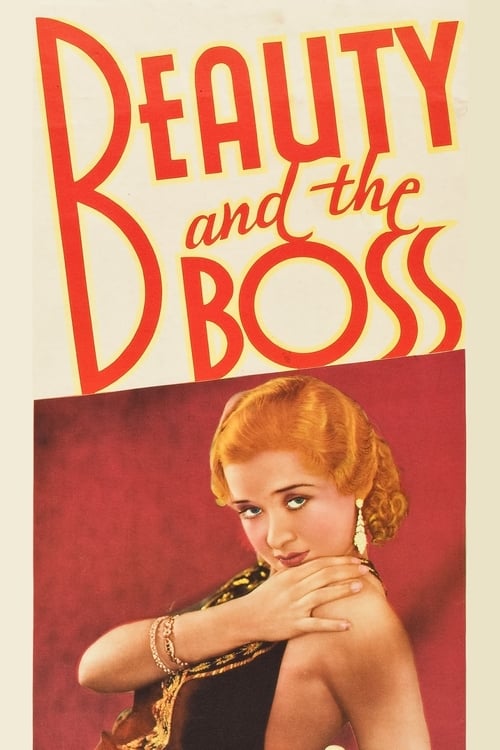
Beauty and the Boss is a classic 1930s studio comedy that emphasizes escapism over social disruption. The narrative hinges on the 'transformation' cliché, where a character evolves from a professional to a socially prominent figure through romance and travel. While the protagonist starts as a competent secretary, her growth is tied to her aesthetic evolution, reinforcing the era's conventional gendered expectations and social hierarchies. The film adheres to the homogeneous casting and Western-centric perspectives typical of early sound-era productions, offering a traditional romantic structure without significant diversity.
Category Breakdown
The film follows a traditional romantic storyline without challenging the assumption that everyone is straight or cisgender. There are no characters or narratives that explore LGBTQ+ identities.
The protagonist is portrayed as an efficient secretary who transforms from a professional to a socially prominent figure through romance. This arc reinforces traditional beauty standards and gender roles.
The film centers on a Western, Anglo-centric perspective without featuring a diverse cast or race-bent casting. There is no indication of racial or ethnic diversity.
The film upholds traditional Western social structures and professional hierarchies. It uses Paris as a backdrop for romantic escapism without cultural subversion.
There is no mention of characters with visible or invisible disabilities. The synopsis does not indicate any neurodivergent representation.
Present on Screen
Limited or Absent
Official Synopsis
An ultra-efficient Plain Jane secretary blossoms when she accompanies her boss on a business trip to Paris.
1932

1934
1936

1939

1938

1938

1939

1940
No reviews yet. Be the first to share your thoughts on this movie!
Use the rating form above to leave a star rating and optional review.