
This Is the Night
1932
No user ratings available yet
Diversity score: 1.4 out of 10
1926
NRDirector
Frank Tuttle
Runtime
71 minutes
Average Rating
No ratings yetSynopsis
A salesman is helped out of a jam with an angry customer by a wealthy playboy. In return, he agrees to help the playboy get a divorce from his wife, only to find himself falling for the girlfriend of the customer who got him in trouble in the first place.
Overall Score
Minimal
Category Breakdown
LGBTQ+ Representation
The film adheres to the heteronormative romantic structures typical of 1920s cinema. The plot focuses on traditional romantic pursuits without any evidence of non-cisnormative identities.
Gender Representation
Female characters act as catalysts for the protagonist's social shifts but often remain within traditional romantic archetypes. The film does not actively subvert patriarchal hierarchies or established social norms.
Racial & Ethnic Diversity
The film features a largely homogeneous cast focused on American middle and upper classes. There is no evidence of significant non-white representation or race-bent casting.
Religious & Cultural Diversity
The narrative reinforces traditional Western social structures like marriage and divorce. It leans into the status-driven, escapist comedy of the Jazz Age rather than offering social critique.
Disability Representation
There is no discernible representation of physical, sensory, or neurodivergent identities. Comedy is derived from situational slapstick rather than the lived experiences of characters with disabilities.
Strengths
Areas for Improvement
AI Analysis
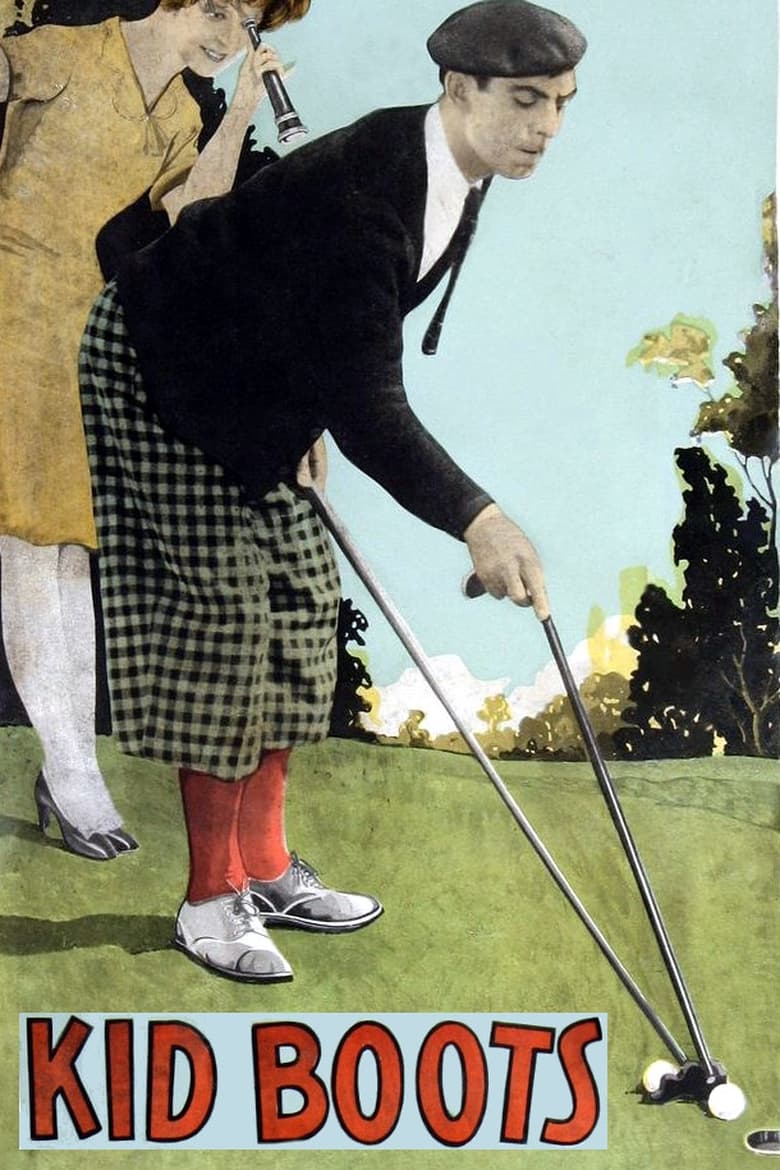
Kid Boots is a product of the silent era's slapstick tradition, functioning as an escapist comedy centered on social mobility. The narrative relies on the comedic friction between socioeconomic classes, specifically the tension between a struggling salesman and a wealthy playboy. While the film utilizes standard tropes of mistaken identity and chaotic social interaction, it lacks the complexity required to engage with modern intersectional frameworks. It prioritizes established social hierarchies and conventional romantic structures over progressive narrative architectures.
1932
1926
1937

1931
1930
1940

1926
1936

1936
1932
1951
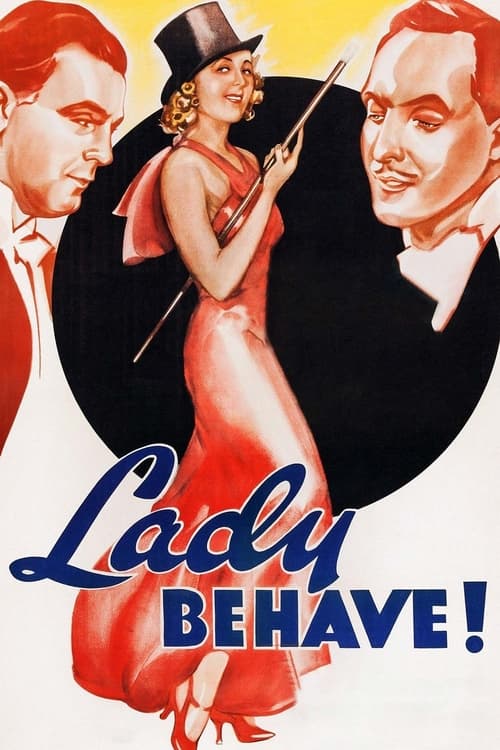
1937
No reviews yet. Be the first to share your thoughts on this movie!
Use the rating form above to leave a star rating and optional review.