The Girl Downstairs
1938
No user ratings available yet
Diversity score: 2.5 out of 10
1931
Director
Steve Sekely
Runtime
72 minutes
Average Rating
No ratings yetSynopsis
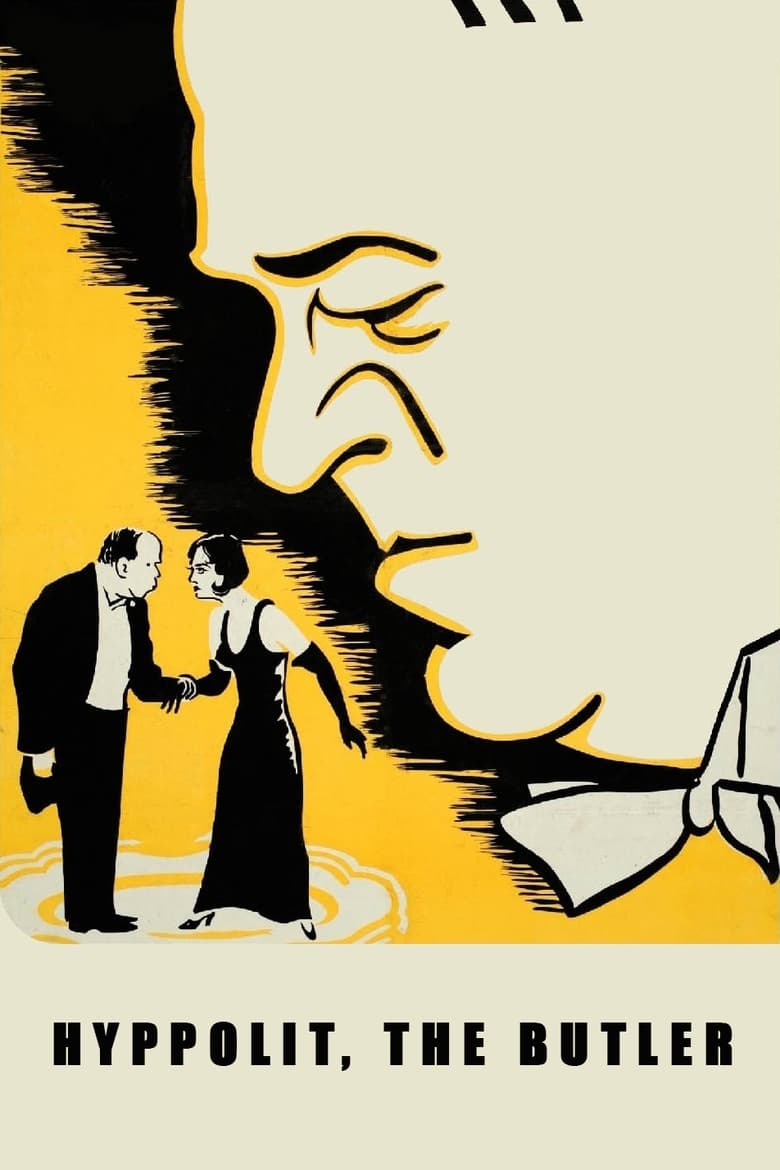
Evergreen comedy about a typical parvenu, an ignorant transportation entrepreneur who has suddenly found himself very rich. Despite their humble origins, his wife strives to live a sophisticated lifestyle. When she engages a butler, Hyppolit, their whole life is turned upside down. It has remained one of the most viewed Hungarian comedies of all time: it is shown regularly and is still extremely popular
Overall Score
Limited
Category Breakdown
LGBTQ+ Representation
The film operates as a traditional domestic farce. It lacks any documented non-cisnormative identities or narratives that challenge heteronormativity.
Gender Representation
While the female lead shows agency in her social pursuits, the film adheres to 1930s gender roles. It does not subvert traditional hierarchies or masculine leadership.
Racial & Ethnic Diversity
The casting is ethnically homogeneous, reflecting the localized social constraints of 1931 Hungary. No diverse ethnic ensembles are present.
Religious & Cultural Diversity
The story focuses on class friction rather than ideological critique. It reinforces social standing and domestic stability within its era's cultural framework.
Disability Representation
There are no prominent depictions of physical or neurodivergent disabilities that drive the narrative.
Strengths
Areas for Improvement
AI Analysis
Hyppolit, the Butler is a landmark of Hungarian comedy that prioritizes period-specific social structures over progressive representation. The film's humor is derived from class mobility and the disruption of domestic order, rather than the deconstruction of systemic power dynamics. The production reflects the conservative cinematic standards of the early 1930s. It relies on traditional character archetypes and homogeneous casting, offering a window into the social hierarchies of the time without attempting to challenge them. Ultimately, the film serves as a classic social comedy. While culturally significant, its narrative architecture remains rooted in the conventional domestic and gender expectations of its era.
1938
1941
1938
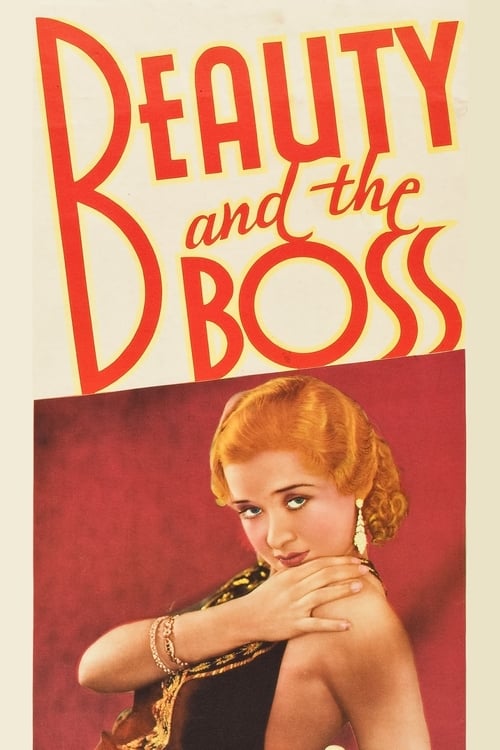
1932
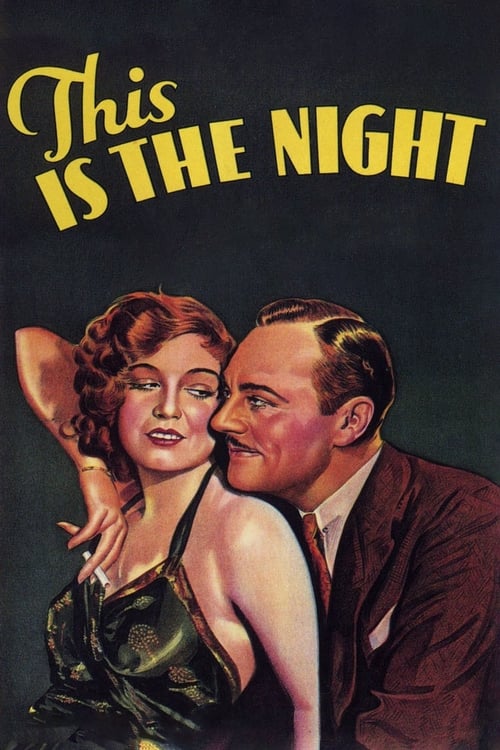
1932
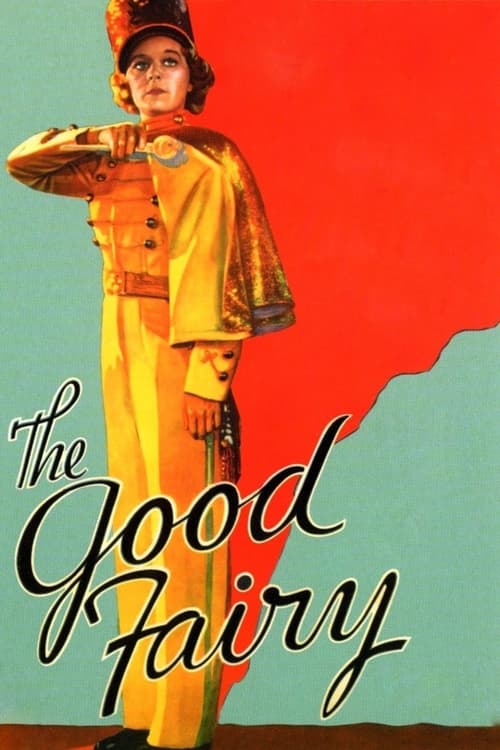
1935

1927
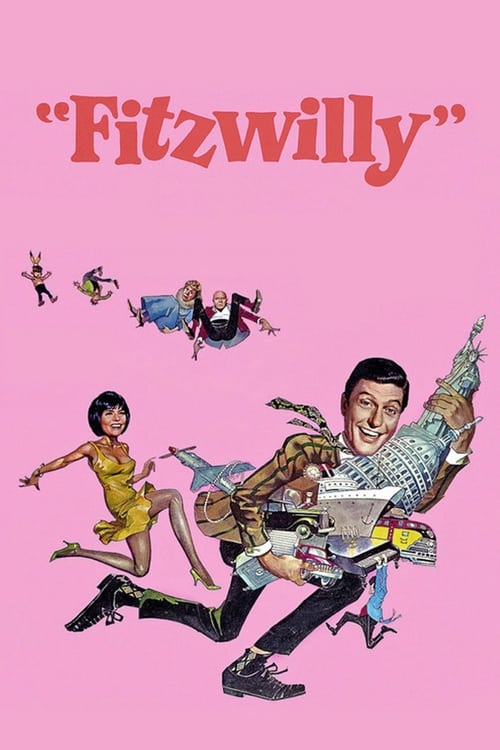
1967
1932

1937
1936
1937
No reviews yet. Be the first to share your thoughts on this movie!
Use the rating form above to leave a star rating and optional review.