Second Honeymoon
1937
No user ratings available yet
Diversity score: 1.5 out of 10
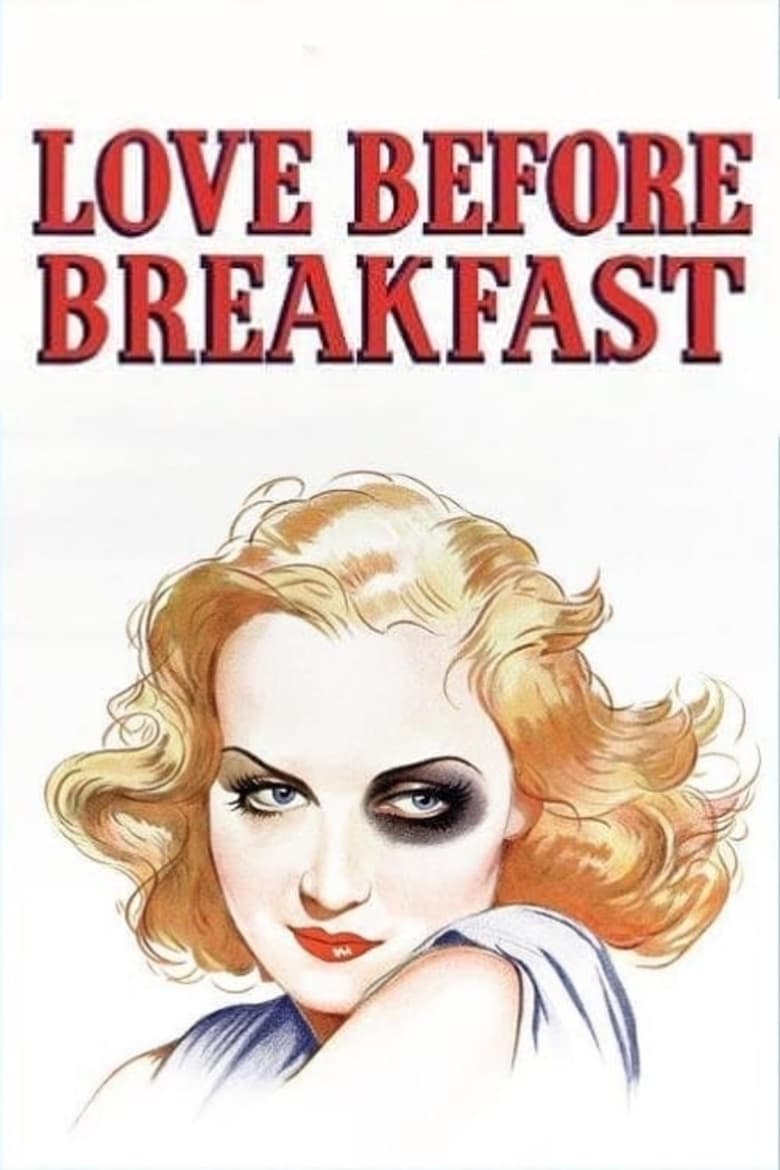
1936
ApprovedDirector
Walter Lang
Runtime
70 minutes
Average Rating
No ratings yetSynopsis
Scott is a very rich businessman who hangs out with a snooty, silly Countess, but has the hots for Kay who is already engaged to Bill. Scott pursues Kay like crazy, going so far as to buy Bill's oil company so that he can banish him to Japan, leaving Kay unmoored.
Overall Score
Minimal
Category Breakdown
LGBTQ+ Representation
The film adheres strictly to heteronormative romantic structures. There is no evidence of non-cisnormative gender identities or same-sex intimacy.
Gender Representation
The narrative follows traditional gender hierarchies. While Kay is the central object of desire, her agency remains largely reactive to the male protagonists' maneuvers.
Racial & Ethnic Diversity
The production features a predominantly homogeneous, white, upper-class cast. The setting reflects standard studio practices of centering Western, high-society norms.
Religious & Cultural Diversity
The film reinforces traditional Western social structures and class-based ideals. It utilizes wealth as a tool for romantic maneuvering rather than critiquing capitalism.
Disability Representation
There is no visible or invisible disability representation. Characters are depicted within the bounds of able-bodied social archetypes typical of the era.
Strengths
Areas for Improvement
AI Analysis
Love Before Breakfast functions as a quintessential 1930s escapist romantic comedy. The plot relies on established social hierarchies and courtship rituals, focusing on high-society entanglements rather than challenging systemic structures. The film reinforces the era's social status quo. It centers Western, upper-class norms and uses economic power as a primary driver for romantic manipulation, specifically through the protagonist's ability to use capital to influence social outcomes. Ultimately, the narrative architecture prioritizes the maintenance of traditional social dynamics. It offers no disruption of conventional expectations regarding gender, race, or social hierarchy.
1937

1937
1937
1937
1951
1932
1936
1932
1931
1942
1926
1947
No reviews yet. Be the first to share your thoughts on this movie!
Use the rating form above to leave a star rating and optional review.