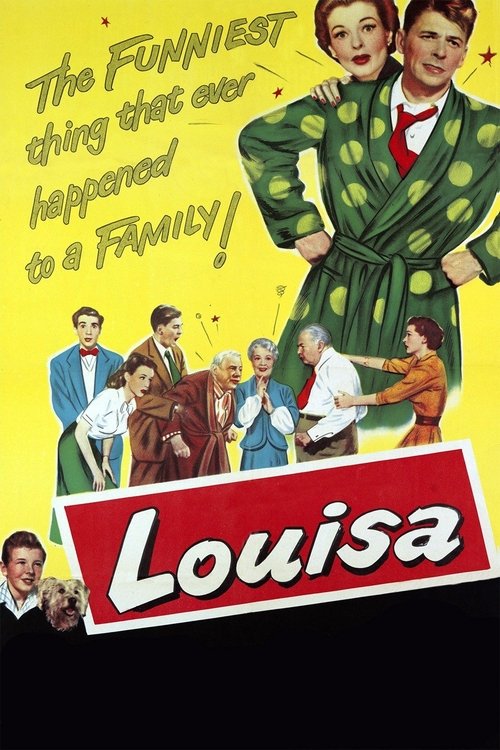
Louisa
1950
No user ratings available yet
Diversity score: 1.9 out of 10
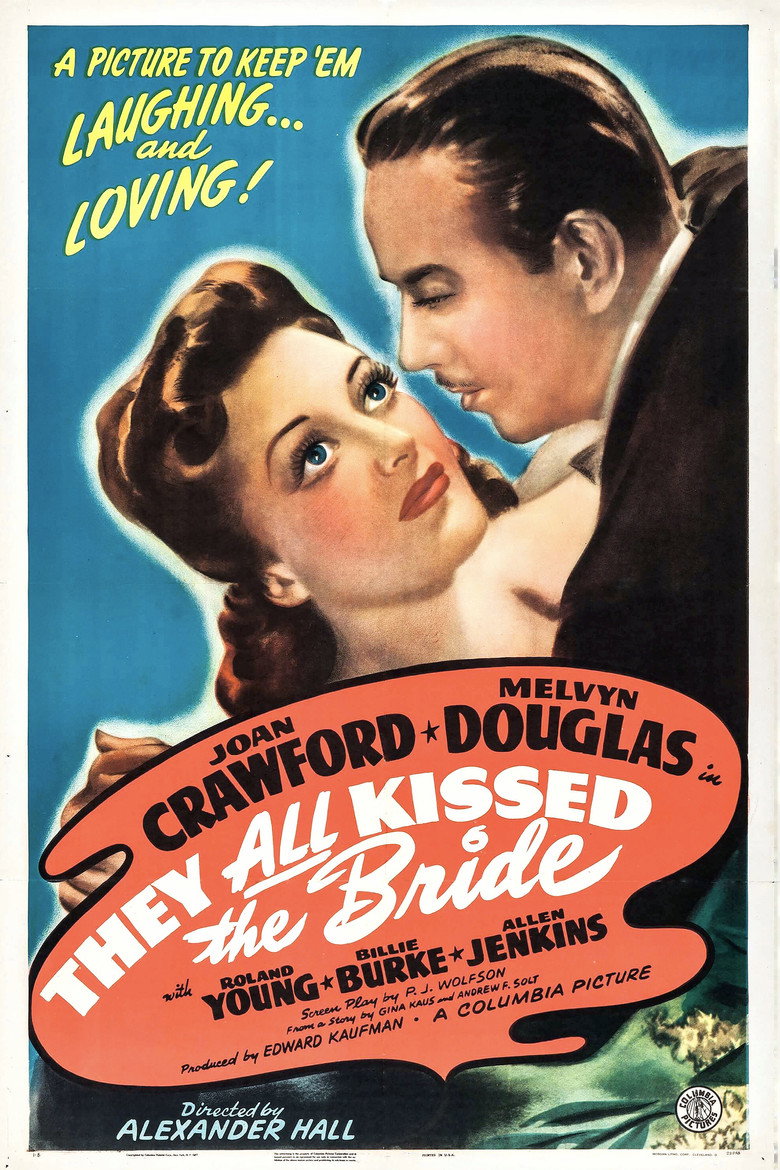
1942
NRDirector
Alexander Hall
Runtime
85 minutes
Average Rating
No ratings yetSynopsis
Margaret Drew runs her trucking company single-mindedly, if not ruthlessly. The only thorn in her side is writer Michael Holmes who is writing a book on some of her tough ways. With no time for men, the effect an attractive stranger has on her at her sister's wedding is unnerving. When it turns out this is the hated writer, she starts seriously to lose her bearings. Surely it can't become Maggie and Mike?
Overall Score
Minimal
Category Breakdown
LGBTQ+ Representation
The film adheres to 1940s censorship standards. It contains no depictions of non-cisnormative identities or same-sex intimacy, focusing entirely on heteronormative romance.
Gender Representation
Margaret Drew provides a rare look at female agency as a ruthless trucking company manager. However, her professional independence is eventually subsumed by a traditional marriage plot.
Racial & Ethnic Diversity
The cast is homogeneous, reflecting the standard studio casting of 1942. There is no significant presence of non-white characters or ethnic intersectionality.
Religious & Cultural Diversity
The narrative celebrates upper-class stability and conventional Western social structures. It reinforces traditional moral frameworks regarding courtship and marriage without challenging institutional norms.
Disability Representation
No physical or neurodivergent disabilities are portrayed. The film does not utilize disability as a plot device or provide representation for impairment.
Strengths
Areas for Improvement
AI Analysis
This 1942 romantic comedy serves as a quintessential example of Golden Age studio filmmaking. While it offers a slight subversion of gender roles through its female lead's professional autonomy, the story remains anchored in the era's traditional social hierarchies. The film lacks intentionality regarding systemic critique or intersectional representation. It functions primarily as a vehicle for romantic escapism within a highly controlled, homogeneous social framework. Ultimately, the narrative's drive toward a conventional marriage plot limits its ability to truly challenge the status quo of its time.
1950
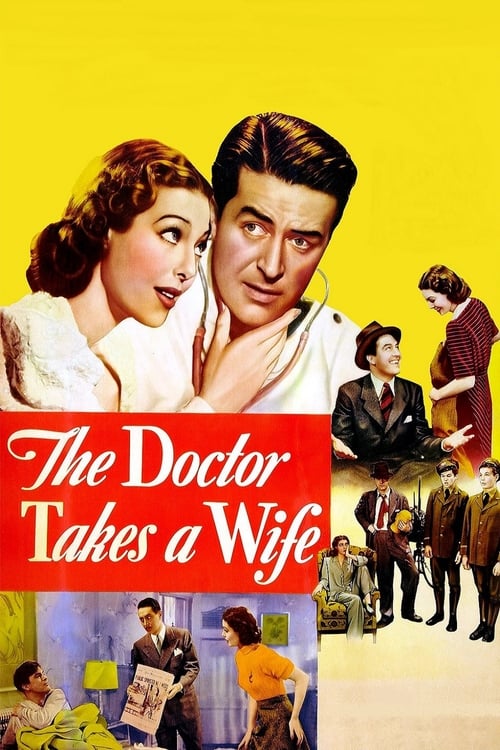
1940
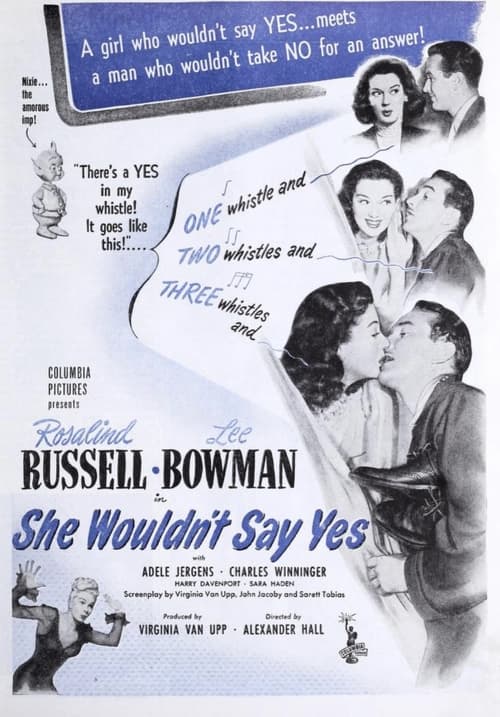
1945
1945
1941
1949
1932
1957
1941
1942
1947
1951
No reviews yet. Be the first to share your thoughts on this movie!
Use the rating form above to leave a star rating and optional review.