
The Gay Deception
1935
No user ratings available yet
Representation score: 2.8 out of 10
Representation Score
Minimal
1935
ApprovedDirector
William Wyler
Runtime
98 minutes
Average Rating
No ratings yetNew Showbiz Analysis
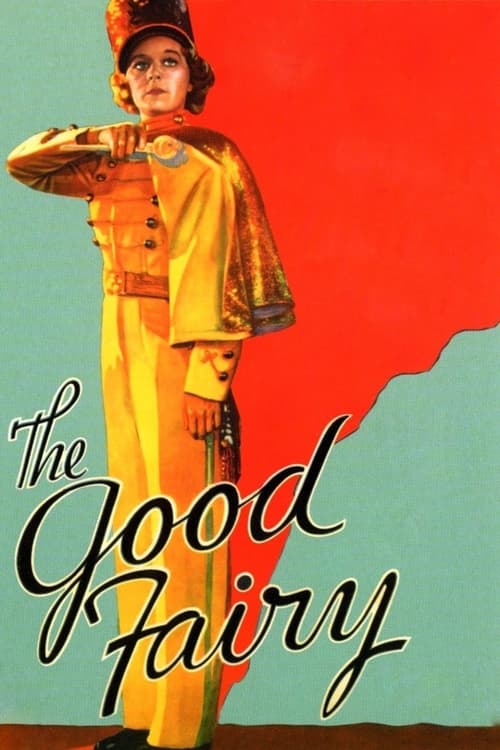
The Good Fairy functions as a traditional 1930s romantic comedy that reinforces the social and moral hierarchies of its era. While the female protagonist possesses ability to act, her actions are framed by the need to preserve her social standing and reputation. The film lacks diversity, adhering to the period's standards of ethnic and cultural homogeneity. It prioritizes conventional romantic resolutions over any subversion of systemic norms. Ultimately, the work serves as a historical benchmark for studio storytelling, focusing on individual character and social propriety within a narrow, traditional framework.
Category Breakdown
The film relies entirely on heterosexual relationships. The central plot revolves around a deceptive marriage between a man and a woman to resolve social conflicts.
Luisa drives the plot through her strategic deceptions and good deeds. However, her role is limited to pursuing romantic stability and maintaining traditional notions of purity.
The cast is ethnically homogeneous, reflecting the 1935 production context. It depicts a predominantly white, European social fabric without diverse casting.
The story focuses on social morality and maintaining a virtuous reputation. It operates within traditional Western frameworks of etiquette and romantic comedy conventions.
There are no prominent depictions of physical or neurodivergent disabilities. No such characters serve as central drivers in the narrative.
Present on Screen
Limited or Absent
Official Synopsis
In 1930s Budapest, naïve orphan Luisa Ginglebuscher becomes an usherette at the local movie house, determined to succeed in her first job by doing good deeds for others and maintaining her purity. Luisa's well-meaning lies get her caught between a lecherous businessman, Konrad, and a decent but confused doctor, Max Sporum. When Luisa convinces Konrad that she's married to Max, Konrad tries everything he can to get rid of the baffled doctor.
1935

1934
1929

1937
1931

1940
1932

1936
No reviews yet. Be the first to share your thoughts on this movie!
Use the rating form above to leave a star rating and optional review.