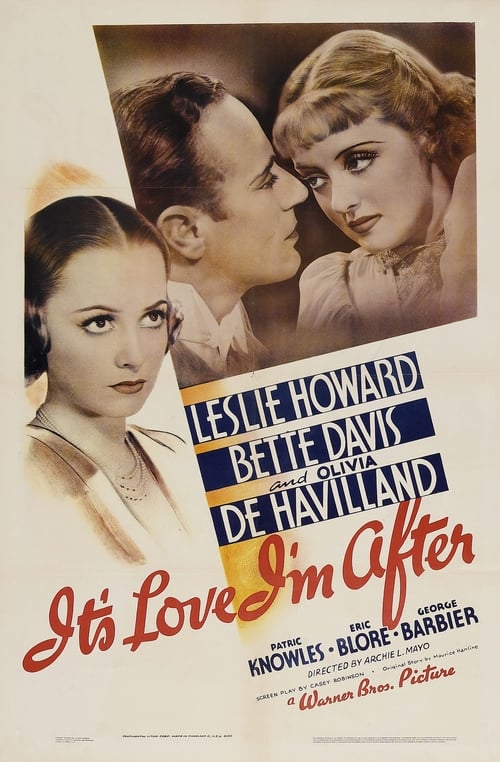
All for Veronica
1936
No user ratings available yet
Representation score: 1.0 out of 10
Representation Score
Minimal
1937
ApprovedDirector
Archie Mayo
Runtime
90 minutes
Average Rating
No ratings yetNew Showbiz Analysis
This film is a product of the conservative 1930s studio system, emphasizing conventional romantic resolutions over exploring identity or social power structures. Its narrative structure sticks to standard romantic comedy clichés, focusing on high society. The film reinforces traditional social and gender norms without challenging them, presenting a uniform cultural perspective of upper-class life.
Category Breakdown
The film focuses on heterosexual relationships and does not include any characters with non-binary genders or same-sex romances.
The movie follows traditional gender roles common in screwball comedies. The female lead uses her musical talent professionally, but her main goal is still tied to romantic complications.
The cast is mostly made up of actors from similar backgrounds, reflecting the standards of the 1930s. There is no significant ethnic or racial diversity shown in the film.
The story upholds traditional Western social norms and class distinctions. It does not question or challenge these societal structures or moral viewpoints.
The film does not feature any characters with physical, sensory, or neurological differences. All characters are portrayed as fully able-bodied.
Present on Screen
Limited or Absent
Official Synopsis
An infatuated debutante renews a Shakespearean actor's running feud with his leading lady.
1936
1934

1937
1937
1936
1940
1931
1938
No reviews yet. Be the first to share your thoughts on this movie!
Use the rating form above to leave a star rating and optional review.