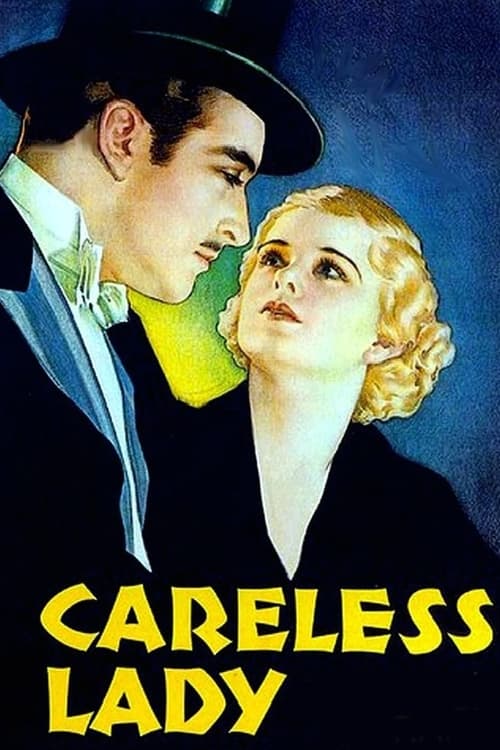
Careless Lady
1932
No user ratings available yet
Representation score: 1.7 out of 10

Representation Score
Minimal
1932
NRDirector
Frank Tuttle
Runtime
80 minutes
Average Rating
No ratings yetNew Showbiz Analysis
This 1932 comedy operates within the strict social and moral frameworks of its time. The plot revolves around high-society deception and the management of social perceptions, keeping the narrative confined to a narrow demographic. The film lacks complexity in representing various identities and instead presents a homogeneous view of the world that excludes underrepresented groups. It prioritizes maintaining class status and traditional romantic structures over any progressive social critique.
Category Breakdown
The film focuses solely on heterosexual relationships and infidelity. It does not include any representation of non-straight identities or stories that challenge the assumption that everyone is straight.
Joan Bennett is central to the plot, but the story relies on traditional gendered clichés such as the 'mistress' and 'fake wife,' reinforcing conventional views of female morality.
The film portrays a homogeneous, high-society white environment. There is no evidence of non-white characters or diverse ethnic backgrounds within the setting.
The narrative highlights the social mores and etiquette of the upper class. It reinforces traditional Western structures around marriage, class status, and reputation.
There are no characters with visible or invisible disabilities. Disability is not used as a narrative device in this production.
Present on Screen
Limited or Absent
Official Synopsis
When Stephen, the husband of Gerald’s mistress, Claire, discovers a pair of tickets for their planned trip to Venice, Gerald must invent a wife to cover their tracks. He is then forced to hire a woman to play “his wife” when Stephen insists he and Claire accompany them to Venice.
1932
1948
1928

1933

1936

1938
1925

1934
No reviews yet. Be the first to share your thoughts on this movie!
Use the rating form above to leave a star rating and optional review.