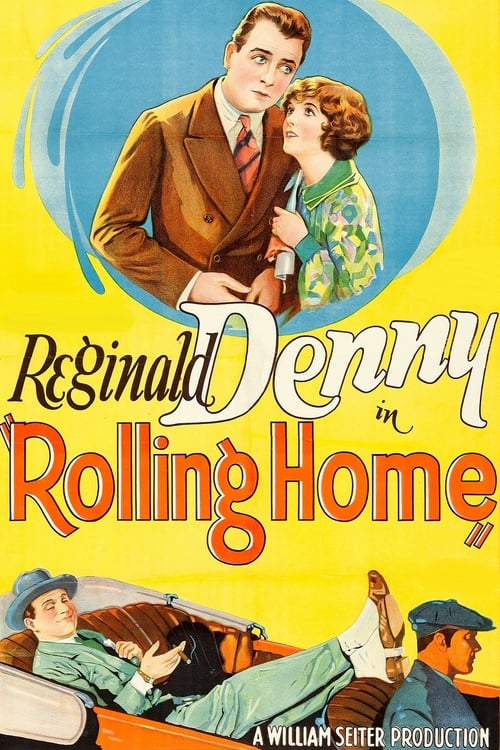
Rolling Home
1926
No user ratings available yet
No diversity score available
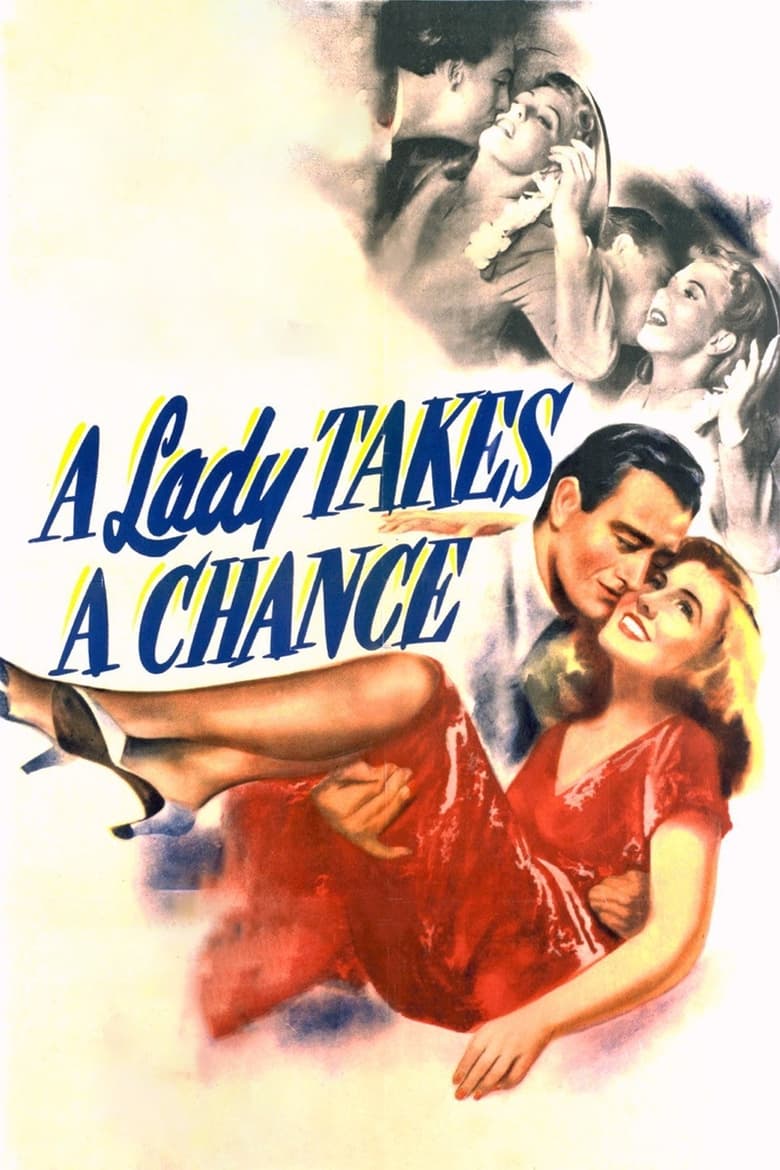
1943
NRDirector
William A. Seiter
Runtime
86 minutes
Average Rating
No ratings yetSynopsis
A city girl on a bus tour of the West encounters a handsome rodeo cowboy who helps her forget her city suitors.
Overall Score
Limited
Category Breakdown
LGBTQ+ Representation
The film relies entirely on heteronormative courtship rituals. There is no presence of same-sex intimacy or non-cisnormative gender identities.
Gender Representation
While the female lead possesses comedic eccentricity, her agency remains tied to marital prospects. The story reinforces traditional romantic hierarchies and domestic unions.
Racial & Ethnic Diversity
The cast is homogeneous, reflecting the standard mid-century social milieu. There is no evidence of meaningful characters of color or intentional racial blending.
Religious & Cultural Diversity
The narrative emphasizes traditional Western values, social decorum, and class distinctions. It reinforces the stability of social institutions and the nuclear family.
Disability Representation
No characters with visible or invisible disabilities are depicted. The cast consists of standard romantic comedy archetypes without focus on neurodivergence or impairment.
Strengths
Areas for Improvement
AI Analysis
A Lady Takes a Chance serves as a classic example of 1940s studio escapism. The film prioritizes romantic resolution and comedic misunderstandings over any form of social interrogation or systemic critique. The production adheres strictly to the demographic and cultural standards of its era. It functions to uphold prevailing social hierarchies rather than disrupt them, offering a predictable and conventional narrative experience. Ultimately, the film lacks intersectional depth. It focuses on a narrow, homogeneous view of romance and social stability typical of the mid-century Hollywood studio system.
1926
1951
1941
1938
1943
1932
1931

1947
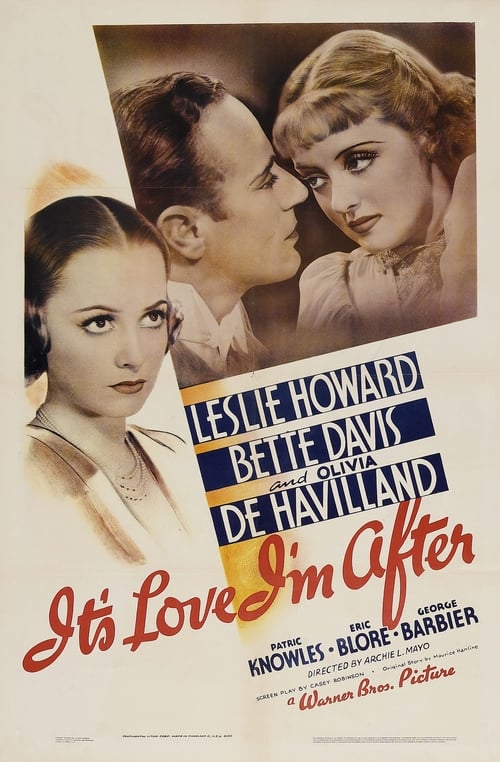
1937

1947

1947
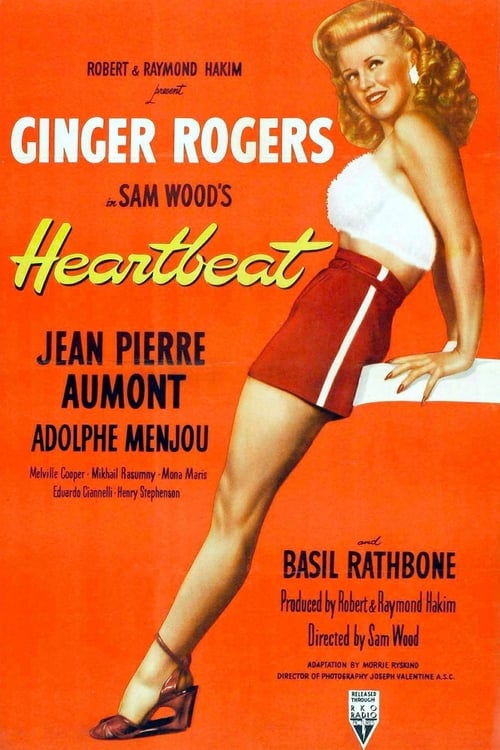
1946
No reviews yet. Be the first to share your thoughts on this movie!
Use the rating form above to leave a star rating and optional review.