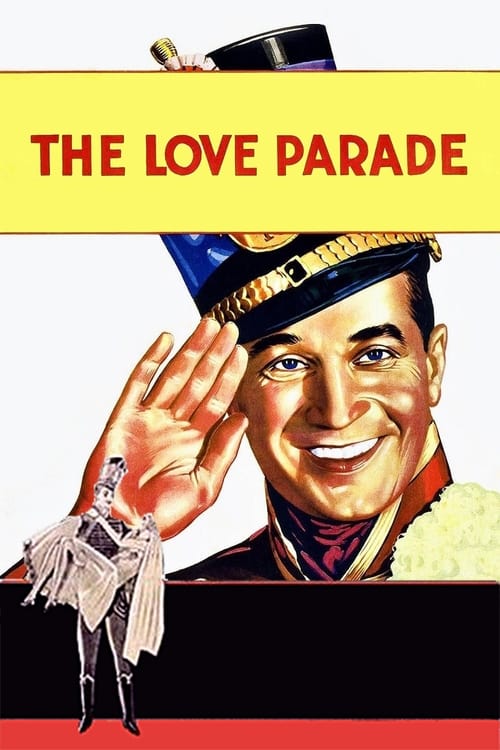
The Love Parade
1929
No user ratings available yet
Representation score: 3.5 out of 10
Representation Score
Minimal
1931
NRDirector
Ernst Lubitsch
Runtime
89 minutes
Average Rating
No ratings yetNew Showbiz Analysis
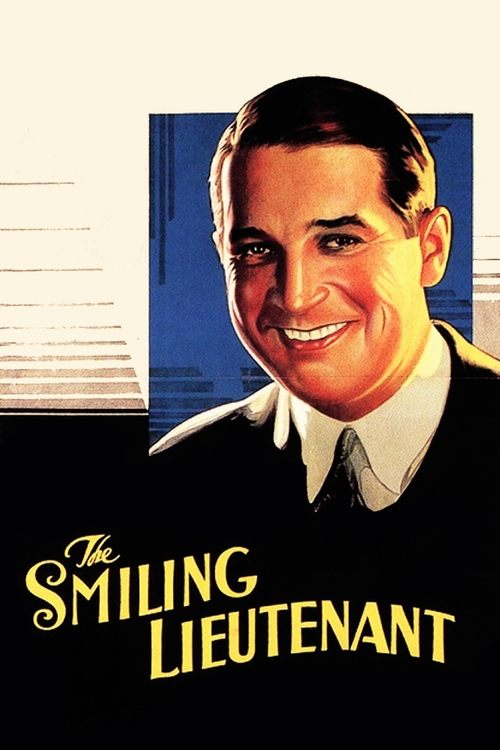
The Smiling Lieutenant is an early sound-era comedy that focuses on wit and social maneuvering within a class-based hierarchy. While it provides depth through its main characters, the story upholds the social norms of the 1930s. The film lacks diverse representation and operates within a traditional, homogeneous framework. Ultimately, it reinforces the status quo without offering significant critique of the institutions it portrays.
Category Breakdown
The film follows traditional heterosexual relationships and does not include any LGBTQ+ identities or queer themes.
Female characters have unique personalities, such as the spirited violinist, but the story is mainly driven by the male lead, emphasizing traditional gender roles.
The cast is made up of a homogeneous European group. The film does not feature any non-white characters, sticking to the conventions of its time.
The story highlights European military and aristocratic traditions using French upper-class settings for comedy without criticizing Western institutions.
There are no characters with visible or invisible disabilities in the story, and disability is not used as a plot device or subject of mockery.
Present on Screen
Limited or Absent
Official Synopsis
An amorous lieutenant is forced to marry a socially awkward princess, though he tries to keep his violin-playing girlfriend on the side.
1929
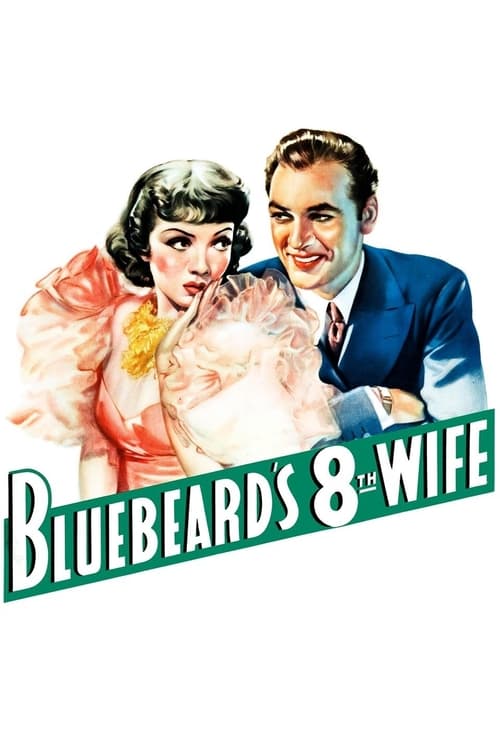
1938
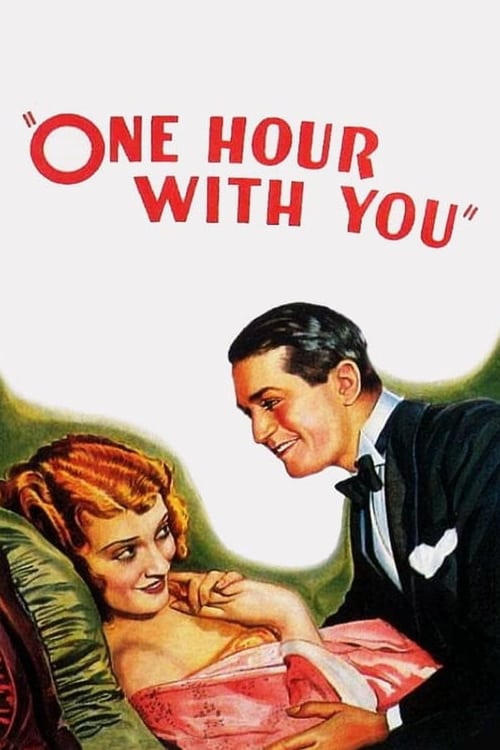
1932
1937
1924
1948
1932
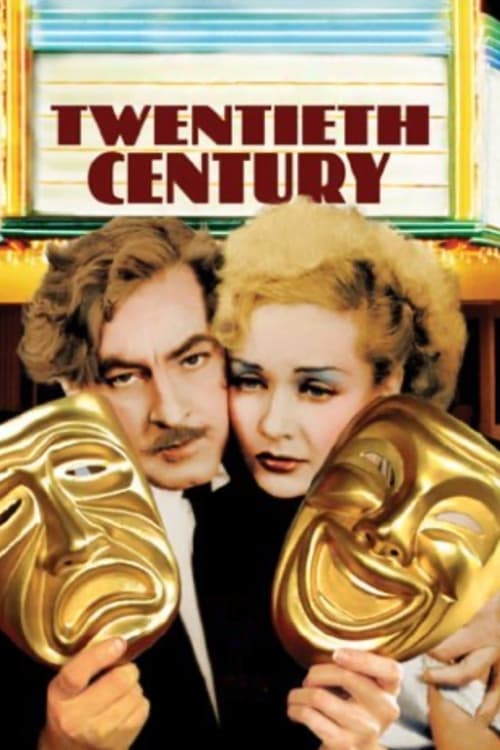
1934
No reviews yet. Be the first to share your thoughts on this movie!
Use the rating form above to leave a star rating and optional review.