
The Irish in Us
1935
No user ratings available yet
Representation score: 1.1 out of 10
Representation Score
Minimal
1936
NRDirector
Lloyd Bacon
Runtime
90 minutes
Average Rating
No ratings yetNew Showbiz Analysis
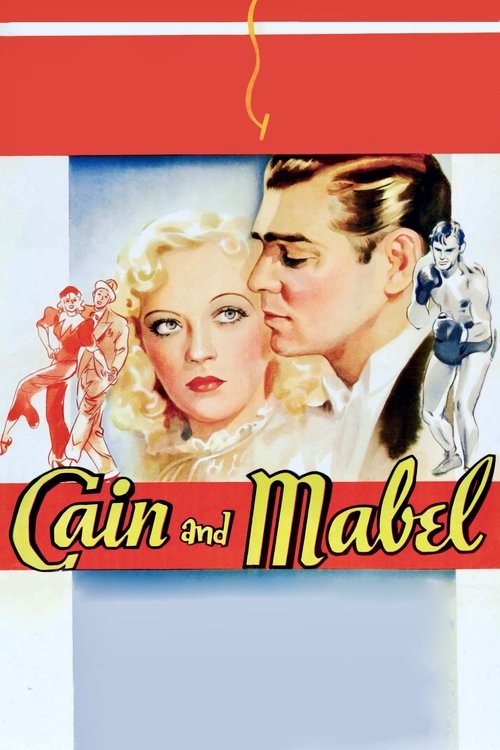
Cain and Mabel is a traditional studio comedy that follows the social and cinematic norms of the mid-1930s. It prioritizes escapism and well-worn genre clichés over diverse or challenging storytelling. One of the film's strengths is the portrayal of Mabel as a resourceful and independent woman who plays a significant role in the story. However, the narrative also reinforces traditional gender hierarchies through familiar 'battle of the sexes' clichés and lacks any meaningful racial or LGBTQ+ representation. Overall, the production serves as a localized urban comedy that sidesteps broader social complexities, resulting in a narrow demographic focus typical of the era.
Category Breakdown
The film centers on a heterosexual relationship between the two main characters. There is no representation of same-sex relationships or non-binary genders.
Mabel is shown as a strong and independent woman who plays a key role in driving the story. However, the plot relies on traditional 'battle of the sexes' clichés and emphasizes male dominance.
The cast and setting are primarily white, reflecting the demographics of 1930s Hollywood productions. The story does not explore racial or multi-layered identities.
The story is set within a typical 1930s capitalist context. Criminal behavior is portrayed as light-hearted entertainment without addressing broader social issues.
The characters are depicted as fully able-bodied individuals involved in musical and comedic performances. No visible or hidden disabilities are shown in the main storylines.
Present on Screen
Limited or Absent
Official Synopsis
A chorus girl and a heavyweight boxer are paired romantically as a publicity stunt.
1935

1934

1936

1937
1938

1933
1928

1928
No reviews yet. Be the first to share your thoughts on this movie!
Use the rating form above to leave a star rating and optional review.