Under the Same Sky
1964
No user ratings available yet
Representation score: 4.2 out of 10
Representation Score
Excellent
1947
Director
Vjekoslav Afrić
Runtime
100 minutes
Average Rating
No ratings yetNew Showbiz Analysis
The film stands out by replacing the lone hero archetype with a collective, identity-driven resistance. It excels in subverting traditional power dynamics and promoting a multi-ethnic identity. However, it lacks contemporary markers of diversity, such as representation for disabilities or explicit LGBTQ+ identities, adhering to the cinematic standards of the post-war era.
Category Breakdown
While the film doesn't focus on specific LGBTQ+ identities, it emphasizes communal bonds over traditional romantic relationships, offering a subtle shift from conventional domesticity.
Women such as Slavica are shown as active, strategic participants in military resistance, challenging the typical portrayal of women as passive victims.
The film highlights a multi-ethnic, pan-regional identity through the Yugoslav Partisan movement, promoting a unified resistance against occupation instead of focusing solely on a single ethnic group.
By depicting the struggle against Italian occupation, the film critiques imperialist structures and prioritizes collective values over individualist or capitalist interests.
The narrative centers on the physical requirements for partisan warfare and does not include characters with visible or invisible disabilities.
Present on Screen
Limited or Absent
Official Synopsis
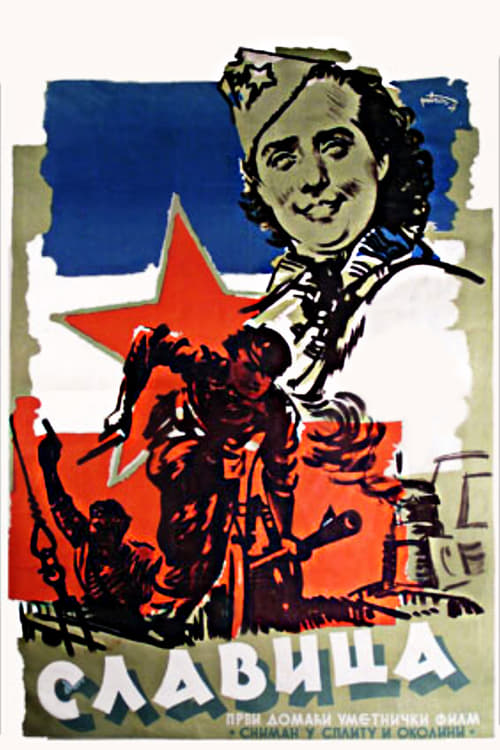
Slavica, Marin and a group of operants hide the newly built ship from the Italian occupation forces. They end up arrested, but the partisans rescue them and they take part in the string of actions.
1964
1945

1955
1959

1943
1958
1960
1955
No reviews yet. Be the first to share your thoughts on this movie!
Use the rating form above to leave a star rating and optional review.