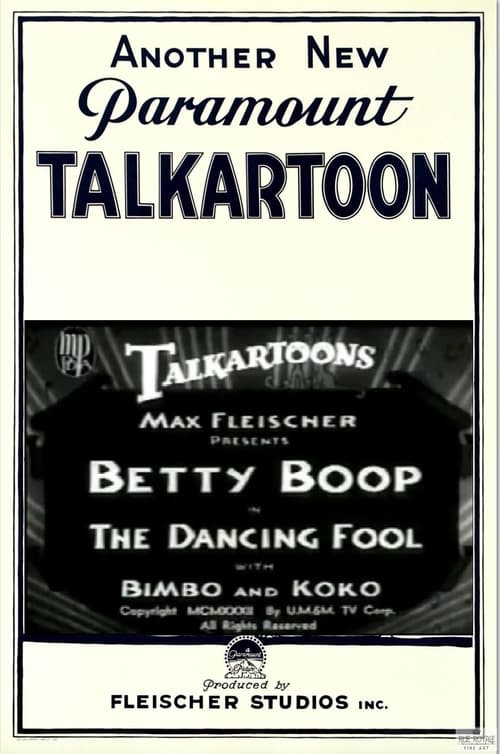
The Dancing Fool
1932
No user ratings available yet
Representation score: 3.2 out of 10

Representation Score
Limited
1934
Director
Dave Fleischer
Runtime
7 minutes
Average Rating
No ratings yetNew Showbiz Analysis
Ha! Ha! Ha! is a product of the Fleischer Studios' surrealist era, emphasizing dreamlike logic over demographic complexity. While the film challenges the boundary between animation and reality, it does not engage with diverse representation. The narrative centers on the chaotic interaction between Betty Boop and the live-action world. This focus on slapstick and absurdity leaves little room for nuanced character development that aligns with modern diversity standards. Ultimately, the film reflects the limited diversity common in early 20th-century media, offering stylistic subversion rather than social representation.
Category Breakdown
The film doesn't feature any explicit LGBTQ+ characters or stories. The main focus is on Betty Boop's interactions with Koko and the live-action studio setting.
Betty Boop is a central figure, embodying a strong female presence in a leading role. However, her portrayal is closely tied to the gender dynamics of the time.
The narrative does not show a diverse cast or the use of actors from different racial backgrounds. It reflects the homogeneous character designs typical of 1930s Western animation.
The plot uses surrealism and laughing gas to disrupt traditional stability and reality. This creates a sense of absurdity that moves beyond rigid moral standards.
There are no characters with visible or invisible disabilities mentioned in the provided context.
Present on Screen
Limited or Absent
Official Synopsis
After drawing Betty Boop, Max Fleischer (live-action) leaves the studio; Betty and Koko try amateur dentistry, releasing enough laughing gas to convulse the 'real world.'
1932
1933
1932
1938
1933
1933
1933
1932
No reviews yet. Be the first to share your thoughts on this movie!
Use the rating form above to leave a star rating and optional review.