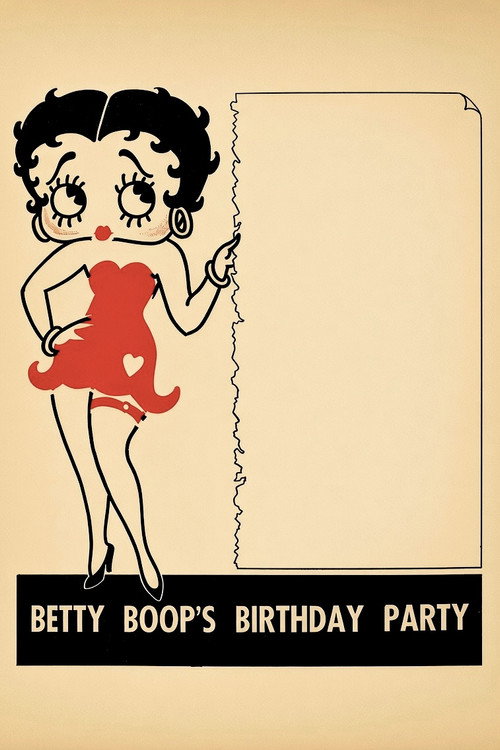
Betty Boop's Birthday Party
1933
No user ratings available yet
Representation score: 1.2 out of 10
Representation Score
Minimal
1932
Director
Dave Fleischer
Runtime
7 minutes
Average Rating
No ratings yetNew Showbiz Analysis
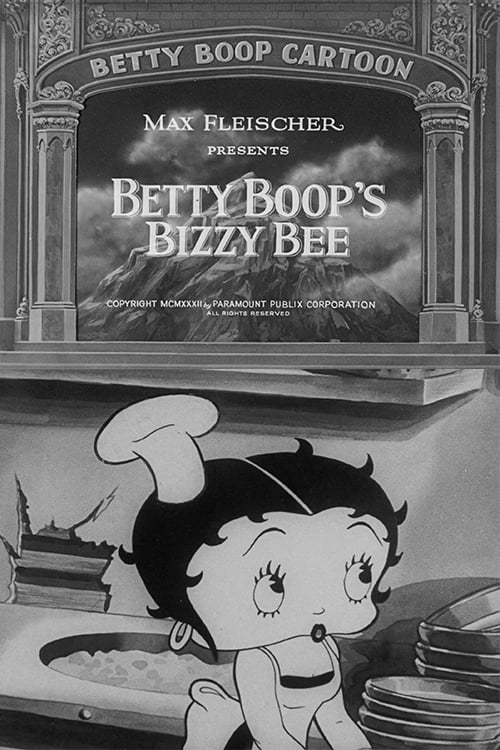
Betty Boop's Bizzy Bee is a surrealist musical short that prioritizes rhythmic animation over exploring social issues. It functions as a sensory experience rather than a narrative that delves into identity or systemic structures. The film reflects the social norms of 1932, relying on established archetypes. It lacks depth in reflecting multiple aspects of identity, focusing instead on developing a unique visual language and musical motifs. Ultimately, the production serves as a commercially oriented piece of animation that adheres to the traditional social and cultural representations of its time.
Category Breakdown
The film does not depict any LGBTQ+ identities. The character dynamics revolve around the protagonist's flirtatious nature.
Betty Boop is portrayed through stylized femininity and charm. While she shows some ability to act as a performer, the characterization reinforces 1930s gender stereotypes.
The cast is very homogeneous, featuring a single human protagonist and anthropomorphic insects. There is no evidence of racial diversity or varied ethnic backgrounds.
The narrative follows traditional entertainment frameworks of early Hollywood. It avoids challenging traditional institutions or engaging with secular or anti-Western viewpoints.
No visible or hidden disabilities are shown. Characters are depicted through idealized, anthropomorphic, or stylized forms without addressing neurodivergence or physical disabilities.
Present on Screen
Limited or Absent
Official Synopsis
Everyone loves the wheat cakes served by short-order cook Betty, but they have a drawback. With Bimbo and Koko; no bee is involved.
1933
1933
1932
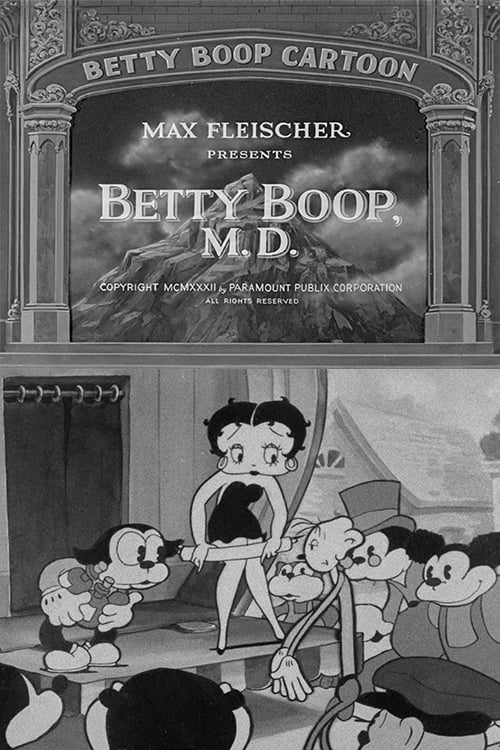
1932
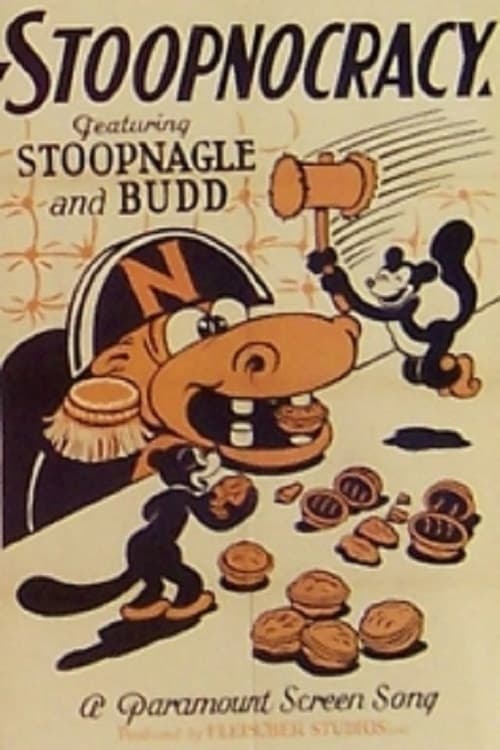
1933
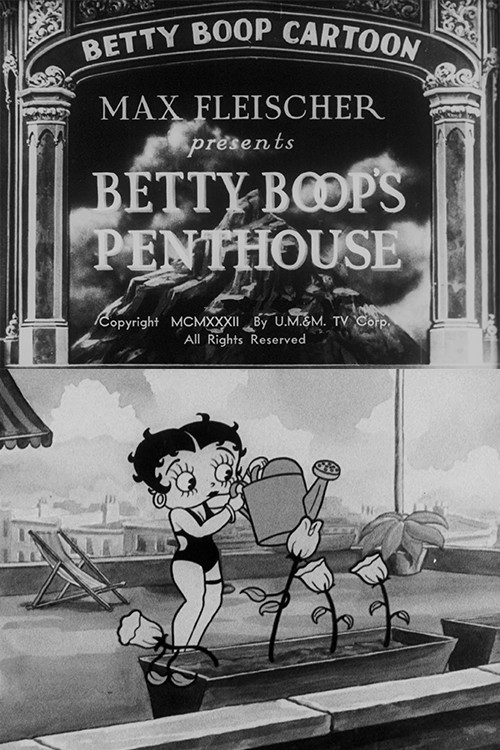
1933
1931
1932
No reviews yet. Be the first to share your thoughts on this movie!
Use the rating form above to leave a star rating and optional review.