Goopy Geer
1932
No user ratings available yet
Diversity score: 2.2 out of 10
1931
Director
Rudolf Ising, Hugh Harman
Runtime
7 minutes
Average Rating
No ratings yetSynopsis
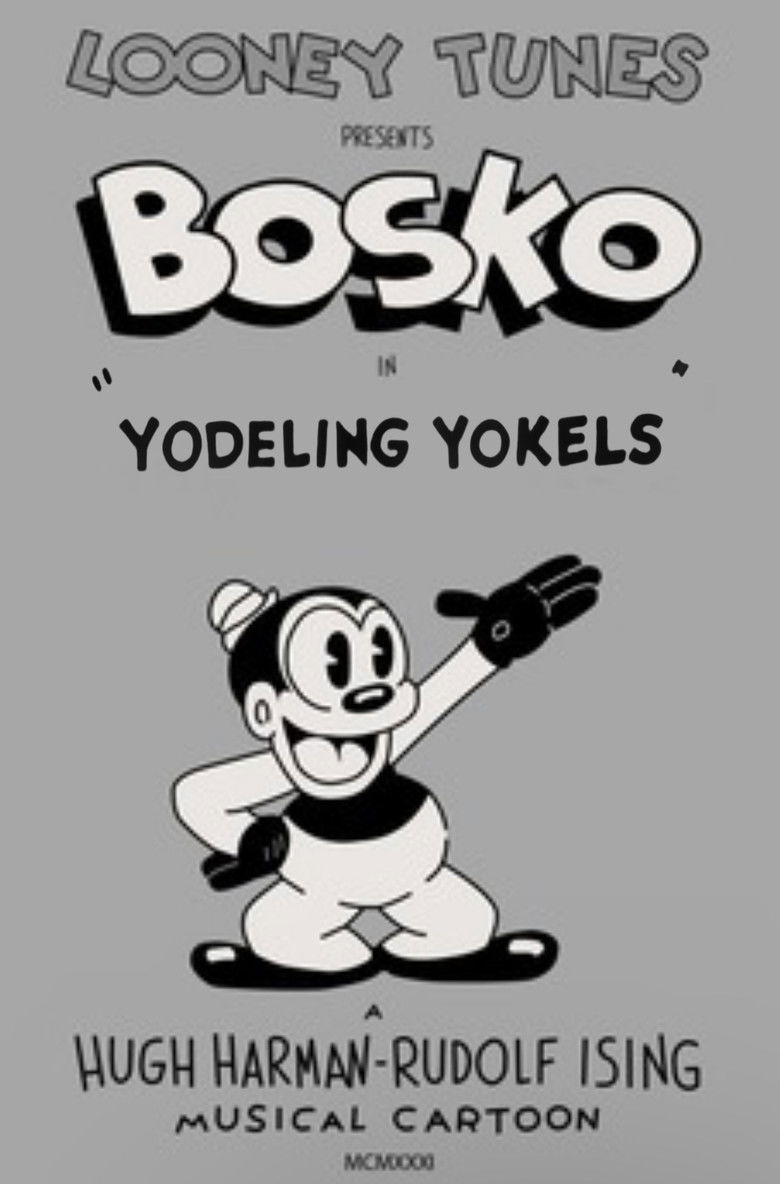
Bosko and Honey yodel happily in the Alps until a series of disasters end with Honey rushing downriver on an ice floe.
Overall Score
Limited
Category Breakdown
LGBTQ+ Representation
The film lacks LGBTQ+ characters or non-cisnormative identities. The narrative follows conventional companionable tropes typical of the Bosko series.
Gender Representation
Honey is depicted through the 'damsel in distress' trope, being swept away on an ice floe. This reinforces traditional gender hierarchies where female characters are passive recipients of peril.
Racial & Ethnic Diversity
The cast appears to adhere to homogeneous demographic norms. There is no indication of a non-white or non-Anglo-Saxon majority cast within the Alpine setting.
Religious & Cultural Diversity
The film uses the Alps and yodeling as comedic backdrops. It reinforces standard Western cultural norms rather than challenging traditional social structures.
Disability Representation
There is no evidence of characters with visible or invisible disabilities. No such characters are used as narrative devices.
Strengths
Areas for Improvement
AI Analysis
Yodeling Yokels is a product of the early 1930s, functioning within the traditionalist frameworks of early American animation. The film relies on established comedic tropes that prioritize slapstick over narrative subversion or intersectional storytelling. The representation is largely homogeneous, utilizing European cultural signifiers like the Alps without introducing diverse perspectives. Character dynamics, particularly regarding gender, lean heavily on passive tropes common to the era. Ultimately, the work reinforces the social hierarchies and demographic norms of its time rather than attempting to disrupt them.
1932
1931
1932
1932
1931
1954

1930

1931
1932
1927
1932
1930
No reviews yet. Be the first to share your thoughts on this movie!
Use the rating form above to leave a star rating and optional review.