I Love a Parade
1932
No user ratings available yet
Representation score: 1.9 out of 10
Representation Score
Minimal
1932
TV-GDirector
Hugh Harman, Rudolf Ising
Runtime
7 minutes
Average Rating
No ratings yetNew Showbiz Analysis
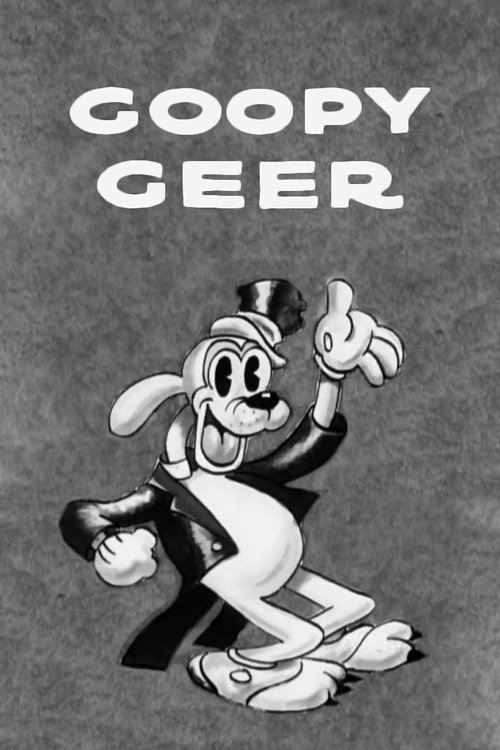
Goopy Geer is a product of the early 1930s animation era, emphasizing traditional comedic structures over social commentary. The film’s focus on a musical nightclub setting aligns with the era’s standard social hierarchies and lacks intentional diversity representation. The work does not engage with LGBTQ+ identities, racial diversity, or non-traditional gender roles. It operates as a typical entertainment piece reflecting the homogeneous casting and social norms of its time. Ultimately, the film lacks the elements needed to challenge conventional social hierarchies, resulting in a narrow and traditional viewing experience.
Category Breakdown
The film does not include any LGBTQ+ characters or stories. It follows the typical social norms of the early 1930s without challenging gender or sexual orientation norms.
The story centers around a dog in a nightclub setting. There are no indications of non-traditional masculinity or femininity or the overturning of gender hierarchies.
The nightclub setting does not provide any information about the racial makeup of the patrons or staff. The film probably reflects the homogeneous casting practices common in 1932 animation.
This musical comedy focuses on traditional entertainment and social norms. It does not show any signs of secularism, anti-capitalist sentiments, or the dismantling of Western institutions.
There is no mention of characters with visible or invisible disabilities. No assessment can be made about the use of disability as a narrative tool.
Present on Screen
Limited or Absent
Official Synopsis
Goopy, a dog of no particular personality, but a crackerjack piano player, plays several songs on the stage of a nightclub. We spend a fair amount of time watching the patrons and staff of the nightclub.
1932
1930

1931
1931
1932

1930
1933
1929
No reviews yet. Be the first to share your thoughts on this movie!
Use the rating form above to leave a star rating and optional review.