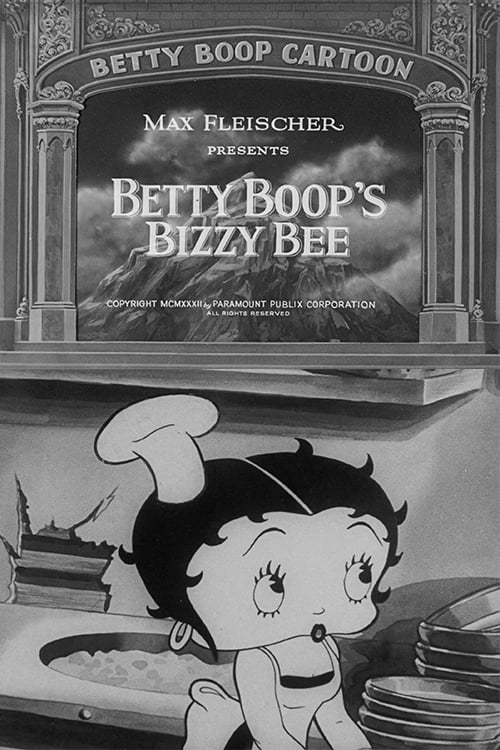
Betty Boop's Bizzy Bee
1932
No user ratings available yet
Diversity score: 1.3 out of 10
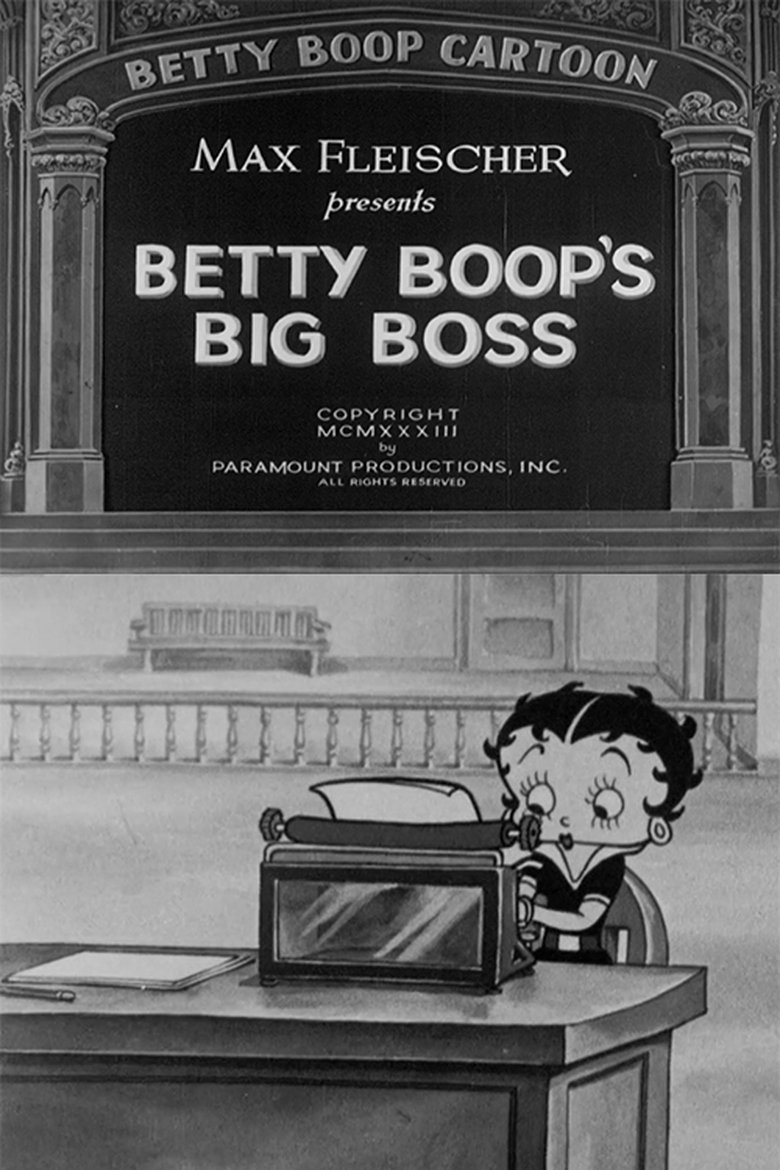
1933
Director
Dave Fleischer
Runtime
7 minutes
Average Rating
No ratings yetSynopsis
Betty takes a secretarial job where the boss sexually harasses her… but not without some encouragement from Betty.
Overall Score
Minimal
Category Breakdown
LGBTQ+ Representation
The narrative lacks LGBTQ+ characters or non-cisnormative identities. Interpersonal dynamics focus entirely on stylized, heterosexual flirtation and power play.
Gender Representation
Betty Boop demonstrates agency by using charm and resilience to navigate a male-dominated underworld. She avoids being a passive victim, making the power dynamic fluid and transactional.
Racial & Ethnic Diversity
The cast consists of anthropomorphic and stylized figures that lack multicultural or intersectional demographics. It adheres to the homogeneous casting norms of 1930s animation.
Religious & Cultural Diversity
The film functions as a secularized urban fantasy rather than a moralistic tale. It lacks intentional systemic critique, focusing instead on surrealist logic and escapism.
Disability Representation
There are no visible or invisible disabilities portrayed. No characters have arcs defined by physical or neurodivergent experiences.
Strengths
Areas for Improvement
AI Analysis
Betty Boop's Big Boss is a surrealist comedy that prioritizes visual chaos over social commentary. While it lacks modern intersectional representation, it offers a unique look at gendered power dynamics through its protagonist. The film's strength lies in Betty's refusal to be a submissive archetype. She navigates a criminal underworld with a level of agency that disrupts traditional damsel tropes, even within a highly stylized framework. However, the work is limited by its era. It lacks racial diversity, LGBTQ+ representation, and any meaningful depiction of disability, reflecting the homogeneous casting and narrow social focus of 1930s animation.
1932
1932
1932
1933
1937

1934
1931
1931
1932
1931
1932
1953
No reviews yet. Be the first to share your thoughts on this movie!
Use the rating form above to leave a star rating and optional review.