Invisible Ink
1921
No user ratings available yet
Representation score: 1.6 out of 10
Representation Score
Minimal
1921
Director
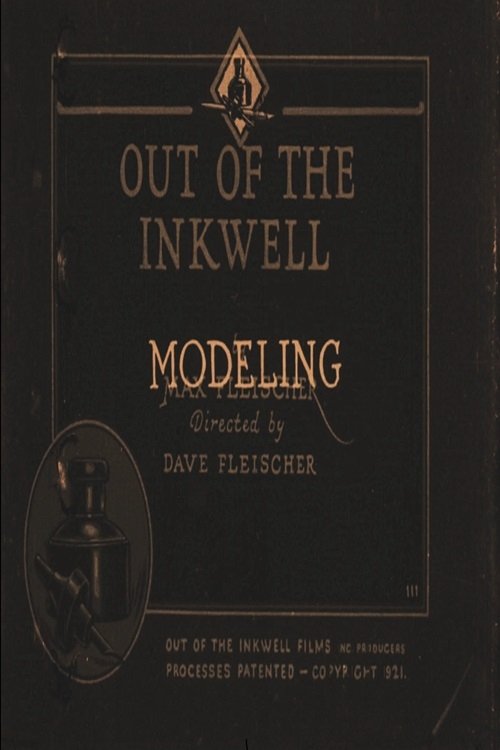
Dave Fleischer
Runtime
8 minutes
Average Rating
No ratings yetNew Showbiz Analysis
Modeling is a product of its time, functioning as a foundational piece of early slapstick animation. The narrative is driven by physical humor and professional mischief rather than social commentary or character-driven diversity. The film relies on a narrow set of archetypes—the Clown, the Cartoonist, and the Sculptor—which limits the scope of representation. It lacks the narrative structure to engage with multi-layered identities or progressive social values. While the work avoids overt harmful stereotypes in its documented synopsis, it remains a homogeneous reflection of early 20th-century comedic clichés.
Category Breakdown
The film does not include any LGBTQ+ characters or non-cisgender identities. The story revolves around traditional slapstick conflicts involving a Clown, a Cartoonist, and a Sculptor.
The narrative centers on three male-coded characters. There is no indication of women's ability to drive the story or any challenge to gender hierarchies within the comedic conflict.
Reflecting the era of 1921, the film appears to adhere to the limited demographic scope common in early American animation. There is no evidence of diverse ethnic representation.
The short functions as a standard comedic piece centered on professional disruption. It operates within a traditional framework of early 20th-century entertainment without exploring broader cultural themes.
There is no documented evidence of characters with visible or invisible disabilities being portrayed as part of the narrative or plot.
Present on Screen
Limited or Absent
Official Synopsis
The Clown causes trouble for the Cartoonist, and a sculptor using the studio, when he escapes from his backdrop and hides in the wet clay of a bust.
1921

1934
1933
1932
1932
1906
1921
1922
No reviews yet. Be the first to share your thoughts on this movie!
Use the rating form above to leave a star rating and optional review.