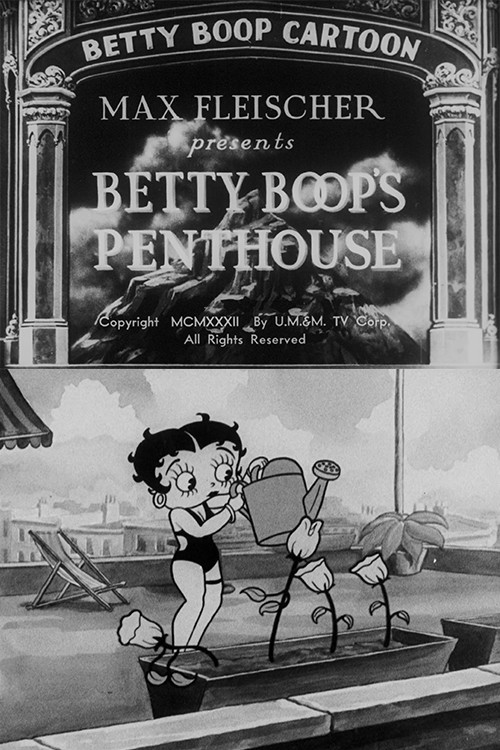
Betty Boop's Penthouse
1933
No user ratings available yet
Representation score: 2.8 out of 10
Representation Score
Limited
1932
Director
Dave Fleischer
Runtime
7 minutes
Average Rating
No ratings yetNew Showbiz Analysis
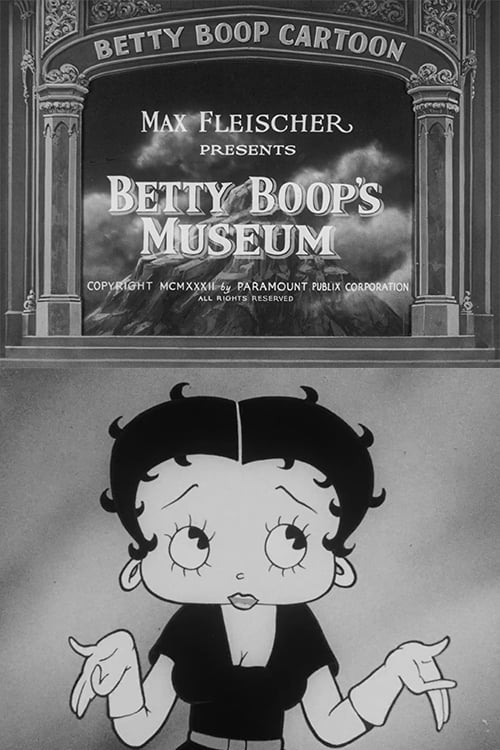
Betty Boop's Museum is a product of its era, emphasizing surrealism and escapism over social commentary or identity exploration. While the animation style is innovative, the narrative structure remains conventional. The film relies on established clichés, especially regarding gender and romance. Although Betty Boop is an influential figure, she is often placed in a position where she needs to be rescued, reinforcing traditional hierarchies rather than challenging them. Overall, the short lacks complexity in addressing various forms of diversity. It serves as a whimsical, visual experience that avoids engaging with racial, cultural, or disability-related themes, reflecting the mainstream norms of the early 1930s.
Category Breakdown
The short lacks any LGBTQ+ characters or non-straight relationships. The main focus is on the flirtatious interactions between Betty Boop and Bimbo, following conventional romantic storylines.
Betty Boop has a strong presence and plays a significant role in driving the story. However, the narrative follows traditional gender roles, with Betty needing to be rescued and Bimbo taking on the protector role.
The cast of anthropomorphic characters does not include a wide range of racial or ethnic backgrounds. The film does not use diverse casting to break away from typical character types of the time.
The film emphasizes visual whimsy over any ideological message. It portrays the museum setting as a place of wonder without critiquing institutional power or systemic issues.
The rubber-hose animation style uses extreme physical distortion but does not represent any disabilities. There are no characters with visible or invisible disabilities in the film.
Present on Screen
Limited or Absent
Official Synopsis
Koko is recruiting customers for a 50 cent sightseeing tour of the museum. Betty is Koko's only passenger. Betty gets locked inside by accident. The skeletons from the displays come to life and chase Betty, until she is finally rescued by Bimbo.
1933
1932
1933
1933
1932
1932

1932

1934
No reviews yet. Be the first to share your thoughts on this movie!
Use the rating form above to leave a star rating and optional review.