The Tree's Knees
1931
No user ratings available yet
Representation score: 2.5 out of 10
Representation Score
Minimal
1930
Director
Rudolf Ising, Hugh Harman
Runtime
6 minutes
Average Rating
No ratings yetNew Showbiz Analysis
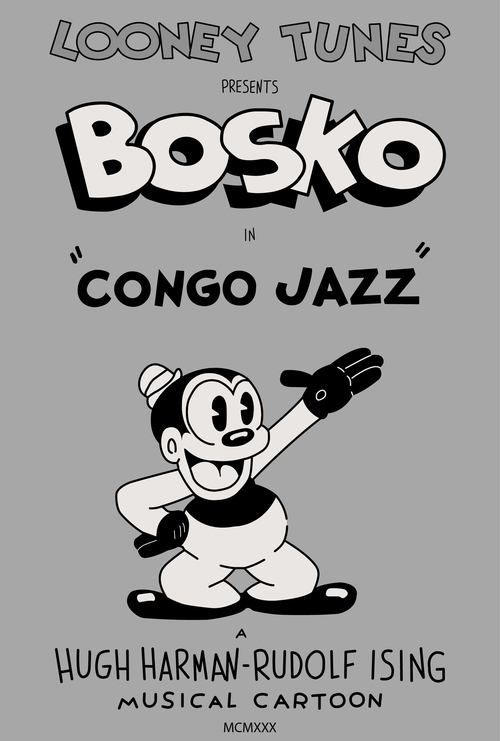
Congo Jazz is a product of its historical context, primarily functioning as a rhythmic musical novelty. It focuses on visual movement and musical timing rather than engaging with meaningful social or cultural issues. The narrative depends on foundational 1930s animation clichés, such as the jungle setting and male-centric archetypes. It fails to address multi-layered identities or disrupt social hierarchies. Ultimately, the short serves as an example of early rubber-hose animation, emphasizing episodic musical synchronization over character's ability to drive the story or diverse representation.
Category Breakdown
The film does not depict any LGBTQ+ identities. The focus is solely on slapstick humor and musical elements without any queer undertones.
The story revolves around Bosko, a male protagonist who follows traditional hunter roles. There are no female characters who have significant influence or challenge existing hierarchies.
The jungle setting is used in a way that relies on stereotypical clichés common to the time period. There are no complex characters of color who drive the plot or offer nuanced representation.
The film emphasizes musical escapism within a Western entertainment context. The setting functions as a backdrop for rhythmic play rather than offering cultural critique.
There are no characters with visible or invisible disabilities. Characters are portrayed through typical animated flexibility without any disability-related plot devices.
Present on Screen
Limited or Absent
Official Synopsis
Bosko hunts in the jungle, but ends up playing music with the animals.
1931
1931
1931

1931
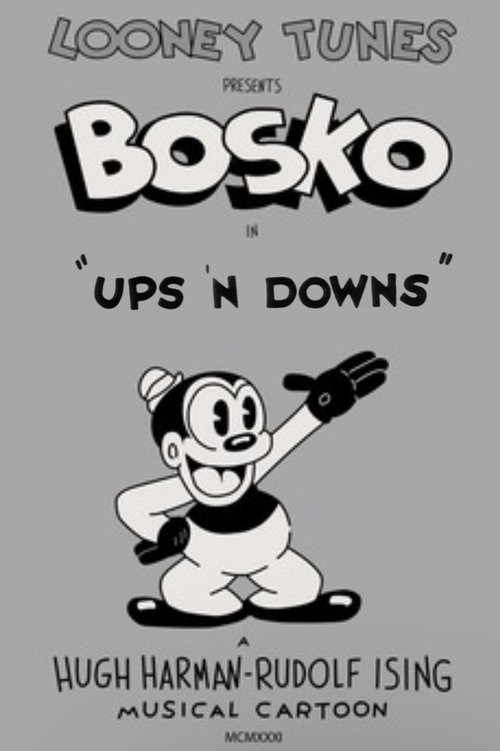
1931

1931

1931

1930
No reviews yet. Be the first to share your thoughts on this movie!
Use the rating form above to leave a star rating and optional review.