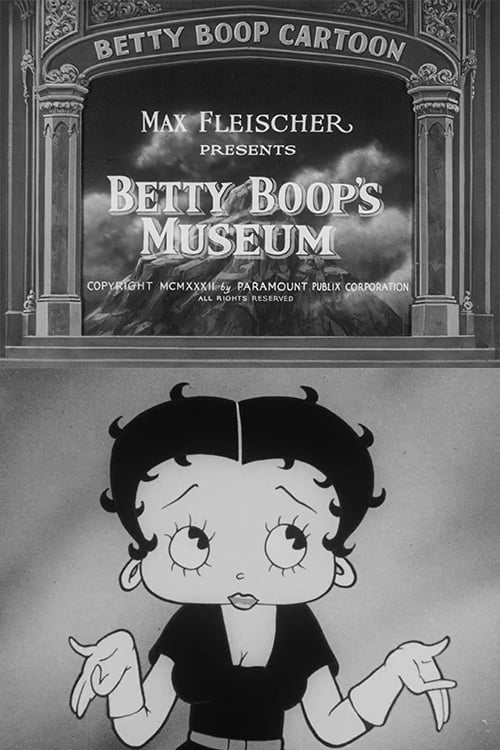
Betty Boop's Museum
1932
No user ratings available yet
Diversity score: 2.3 out of 10
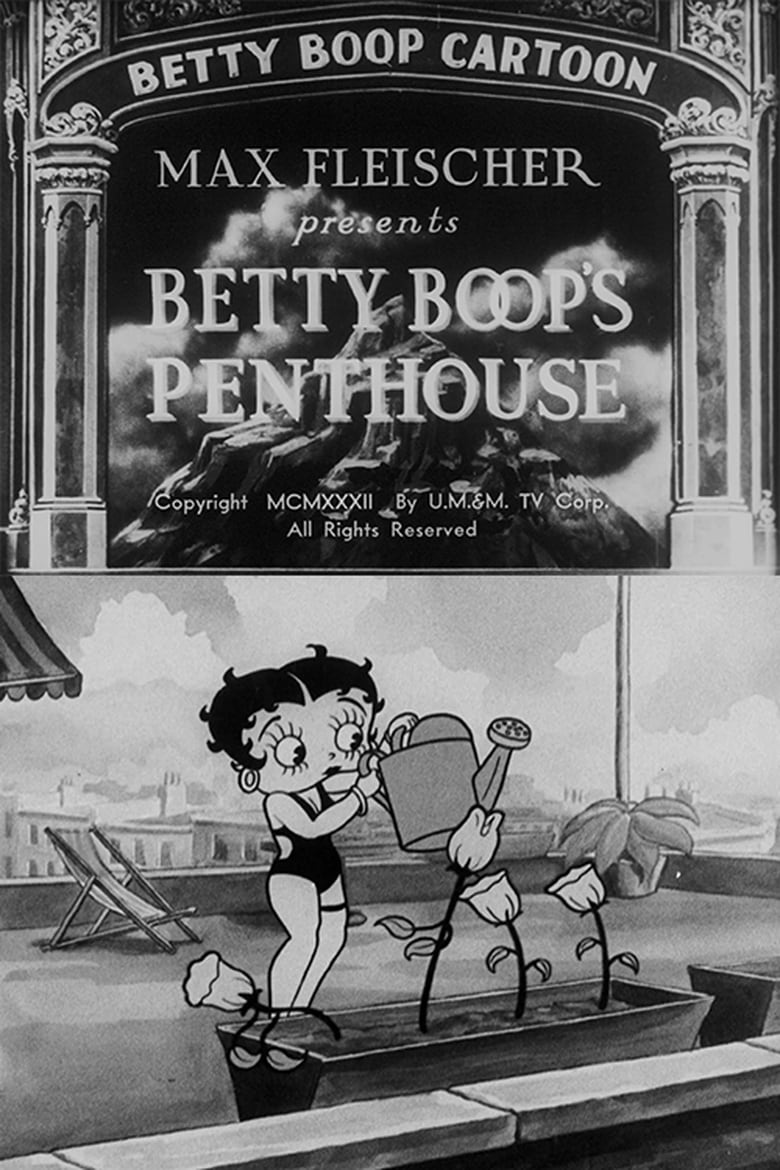
1933
Director
Dave Fleischer
Runtime
7 minutes
Average Rating
No ratings yetSynopsis
While Bimbo and Koko admire Betty, their experiment becomes a monster.
Overall Score
Limited
Category Breakdown
LGBTQ+ Representation
The film lacks explicit depictions of same-sex intimacy or non-cisnormative identities. While surrealist visual gags occasionally play with gender, they lack the agency to provide meaningful representation.
Gender Representation
Betty Boop displays a level of autonomy and spirited agency uncommon for the 1930s. However, the narrative often centers on the male gaze through the reactions of Bimbo and Koko.
Racial & Ethnic Diversity
The cast is largely homogeneous, reflecting the era's production standards. There is no evidence of significant racial blending or intersectional complexity within the character lineup.
Religious & Cultural Diversity
The story functions as escapist comedy rather than a critique of social institutions. The central experiment serves as a comedic trope rather than a commentary on systemic power.
Disability Representation
There is no discernible evidence regarding the portrayal of physical or neurodivergent disabilities. The characters operate within the standard bounds of animated slapstick.
Strengths
Areas for Improvement
AI Analysis
This 1933 short is a product of its time, characterized by the surrealist, avant-garde visual language of Fleischer Studios. While it offers a progressive glimpse into female agency through Betty Boop, it remains tethered to the era's narrow social frameworks. The film relies on traditional comedic structures and anthropomorphic characters, which limits its capacity for intersectional depth. It lacks intentionality regarding racial, religious, or LGBTQ+ representation, focusing instead on dream logic and slapstick. Ultimately, the work is a historical artifact of early animation. It provides a sense of character autonomy for its protagonist but fails to challenge the systemic hierarchies or diverse identities found in modern media.
1932
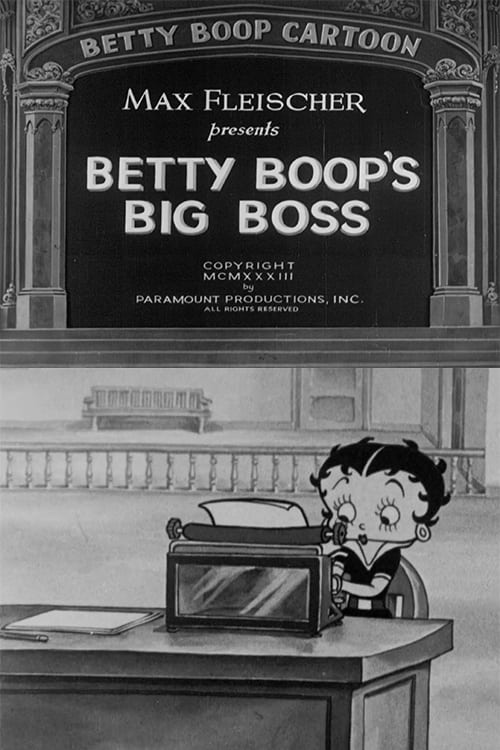
1933
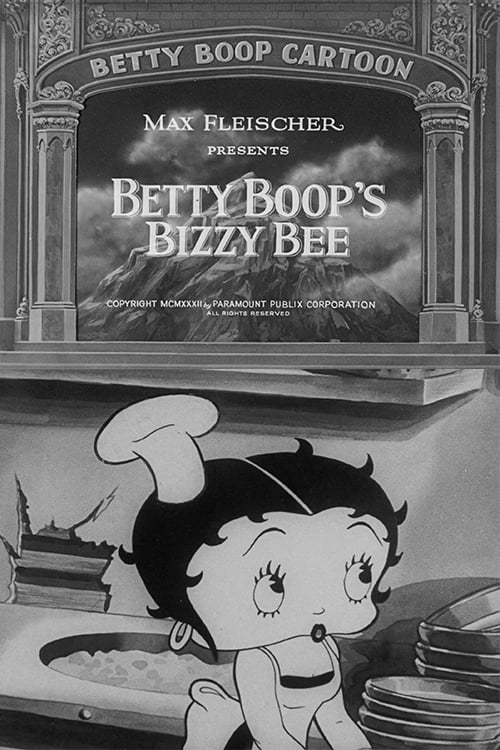
1932
1932

1934
1937
1932
1930
1942
1916
1932
1931
No reviews yet. Be the first to share your thoughts on this movie!
Use the rating form above to leave a star rating and optional review.