Bosko and Bruno
1932
No user ratings available yet
Representation score: 1.9 out of 10
Representation Score
Minimal
1930
Director
Hugh Harman, Rudolf Ising
Runtime
7 minutes
Average Rating
No ratings yetNew Showbiz Analysis
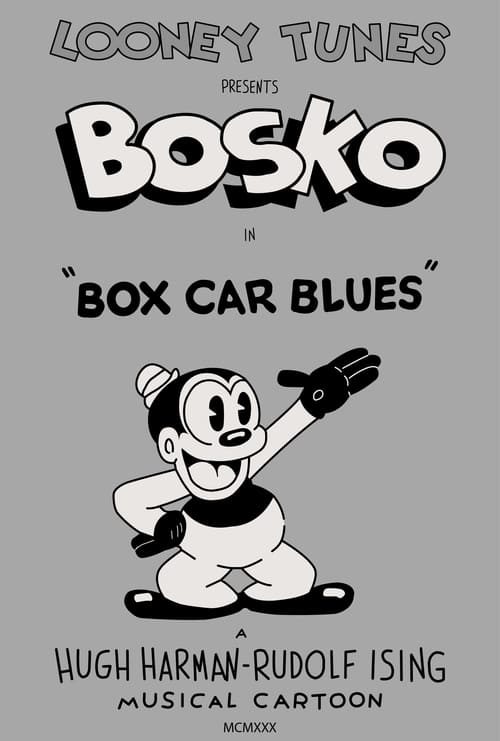
Box Car Blues is a product of the early 1930s studio system, prioritizing slapstick comedy over social complexity. While historically significant for technical animation advancements, the film adheres to the restrictive social frameworks of its era. The characterization relies heavily on traditional archetypes and racialized clichés. The narrative lacks the intentionality needed to challenge social hierarchies or offer meaningful perspectives on diversity. Ultimately, the film serves as a time capsule of early animation, reflecting the era's reliance on caricature and conventional social structures rather than diverse or nuanced storytelling.
Category Breakdown
The film does not include any representation of LGBTQ+ identities or same-sex relationships. The story revolves around a friendly, humorous relationship between Bosko and his pig friend.
The story focuses on male-coded or gender-neutral characters typical of early slapstick comedy. There are no female characters with significant influence or subversion of gender roles.
Bosko is portrayed using racial stereotypes common in the early 1930s. The visual style relies on period-specific clichés rather than nuanced ethnic representation.
The portrayal of a hobo lifestyle emphasizes comedy through romanticized or trivialized poverty. The film avoids any critique of systemic issues or social displacement.
There are no characters with visible or invisible disabilities. Such characters are not used as central plot points or subjects of mockery.
Present on Screen
Limited or Absent
Official Synopsis
Bosko and his porcine friend are hobos in a runaway boxcar.
1932
1931

1930
1931
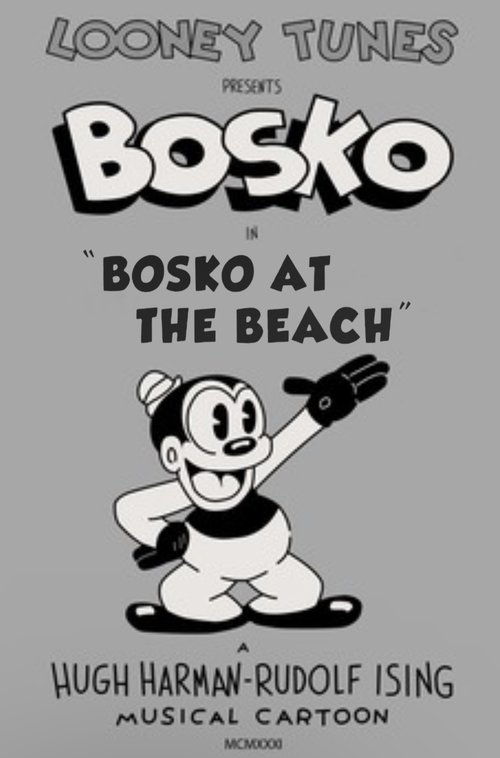
1932
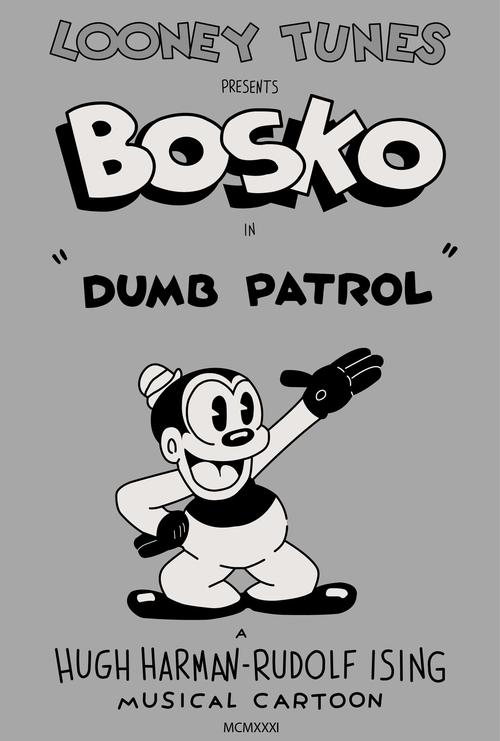
1931
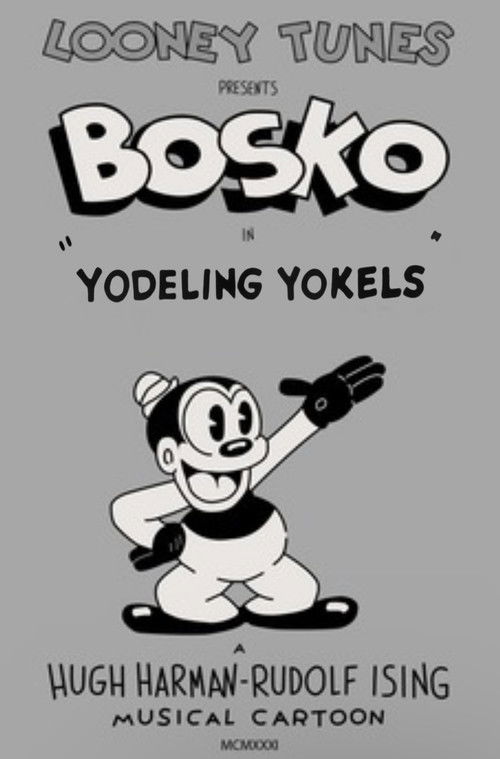
1931

1931
No reviews yet. Be the first to share your thoughts on this movie!
Use the rating form above to leave a star rating and optional review.