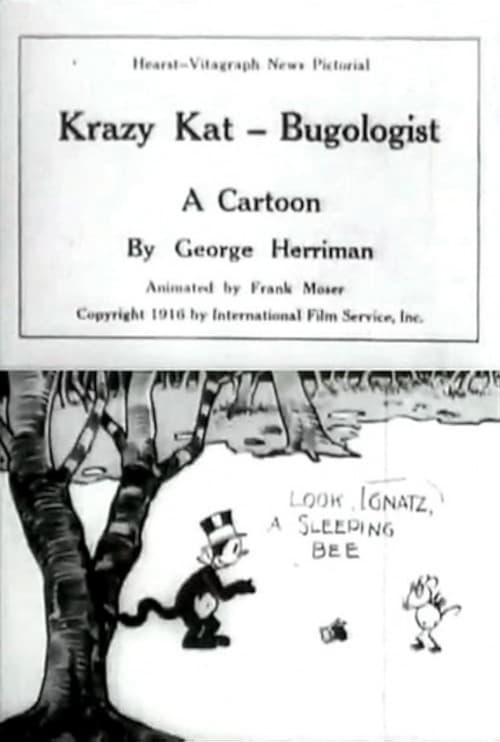
Krazy Kat, Bugologist
1916
No user ratings available yet
Representation score: 4.1 out of 10
Representation Score
Limited
1916
Director
George Herriman
Runtime
3 minutes
Average Rating
No ratings yetNew Showbiz Analysis
This 1916 animated short is an early experimental comedy that relies heavily on visual humor and pantomime rather than dialogue. It stands out from the rigid storytelling of its time by using surreal and anti-authoritarian elements. The characters, particularly Krazy Kat, defy traditional gender roles, offering a foundational example of non-normative representation. The film's structure and themes provide a meaningful critique of early 20th-century social norms. However, the limited diversity in human demographics and the reliance on anthropomorphic characters restrict the scope of social commentary.
Category Breakdown
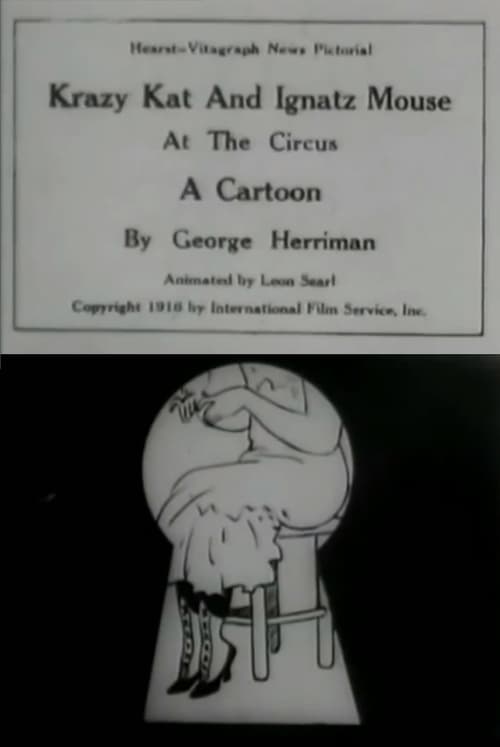
The relationship between Krazy Kat and Ignatz Mouse in this circus setting is historically ambiguous and non-traditional. It hints at queer desire despite the comedic context.
Krazy Kat's identity is fluid and does not fit typical masculine or feminine stereotypes. This challenges the strict gender roles of the time, even though specific scenes do not show this directly.
The characters are non-human species in an early anthropomorphic animation. There is no evidence of racial or ethnic representation within this context.
The characters' actions challenge the established order of public institutions, suggesting a mild critique of traditional social norms and structured institutions.
There is no evidence of characters with physical or neurodivergent disabilities in this short.
Present on Screen
Limited or Absent
Official Synopsis
Krazy Kat and Ignatz Mouse go to the circus and have some fun at the expense of a spectator.
1916
1916
1922
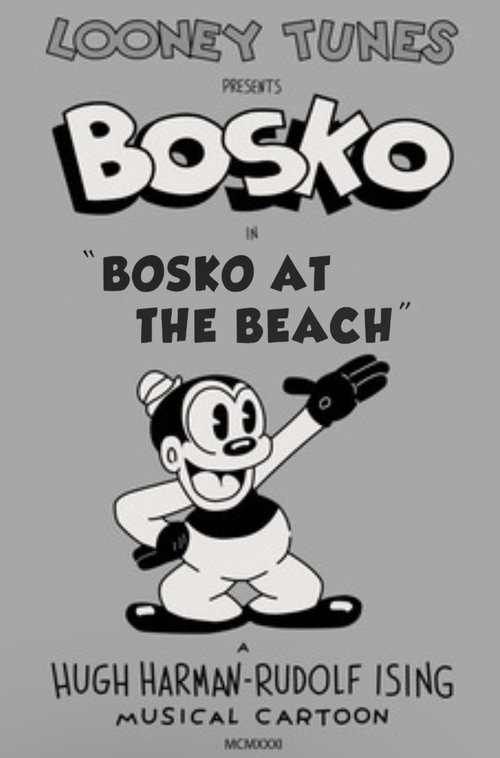
1932
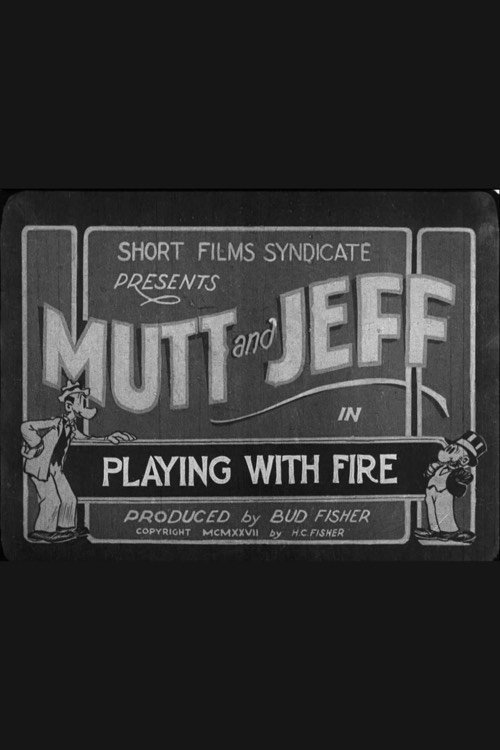
1926
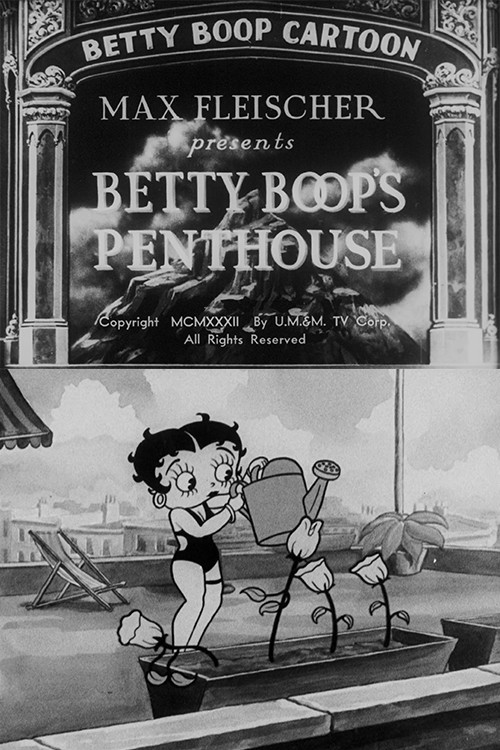
1933
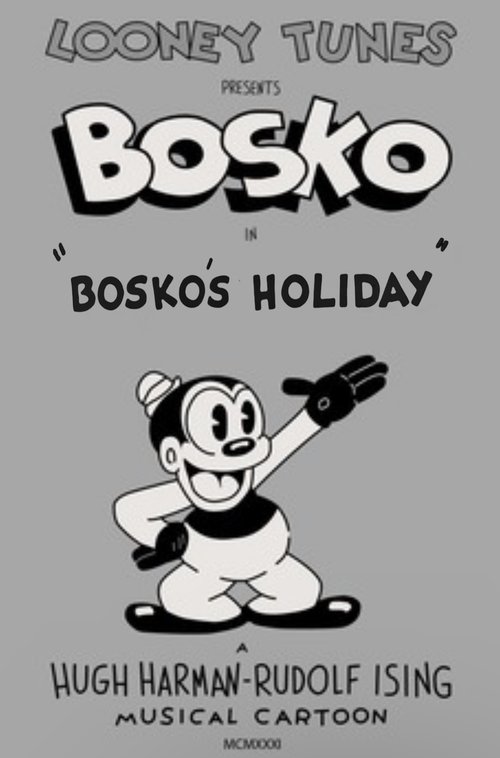
1931
1933
No reviews yet. Be the first to share your thoughts on this movie!
Use the rating form above to leave a star rating and optional review.