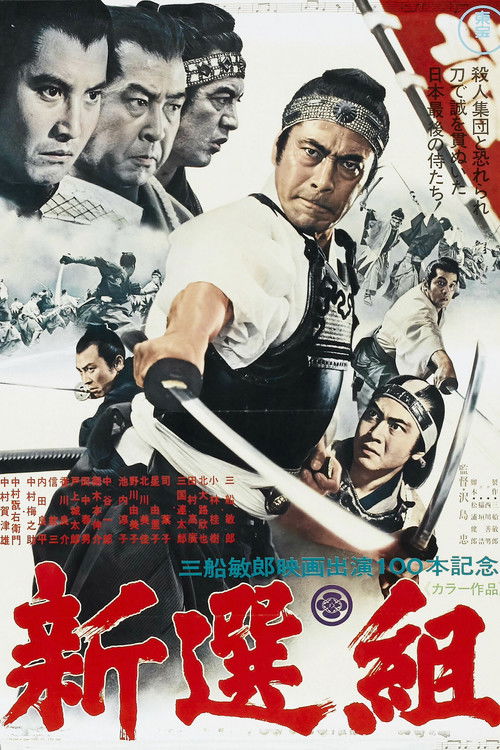
Shinsengumi: Assassins of Honor
1969
No user ratings available yet
Representation score: 1.3 out of 10
Representation Score
Minimal
1978
Director
Kinji Fukasaku
Runtime
159 minutes
Average Rating
No ratings yetNew Showbiz Analysis
Kinji Fukasaku’s historical epic focuses on deconstructing institutional myths rather than broad demographic representation. While the film lacks LGBTQ+ identities, women, or people with disabilities, it offers a sophisticated critique of systemic authority. The narrative challenges the typical heroic epic by presenting rigid social and military codes as sources of tragic futility. This intellectual approach highlights the human cost of institutional rigidity, making it a powerful critique of traditional power structures. Ultimately, the film's strength lies in its cultural subversion, using the breakdown of hierarchy to emphasize the human cost of institutional rigidity.
Category Breakdown
The film focuses on a traditional, male-dominated military structure with no clear representation of LGBTQ+ identities or narratives that question the assumption that everyone is straight.
The story emphasizes masculine camaraderie and strict samurai traditions. Women are mostly absent from the main plot, reinforcing a traditional male-centric leadership model.
Casting is consistent with the specific Japanese setting and era, avoiding whitewashing but not actively seeking ethnic diversity.
The film explores the futility of state-mandated sacrifices and critiques oppressive hierarchies and the conflict between traditional structures and modern imperialism.
There are no prominent depictions of visible or invisible disabilities. Characters with disabilities are not used as central narrative devices.
Present on Screen
Limited or Absent
Official Synopsis
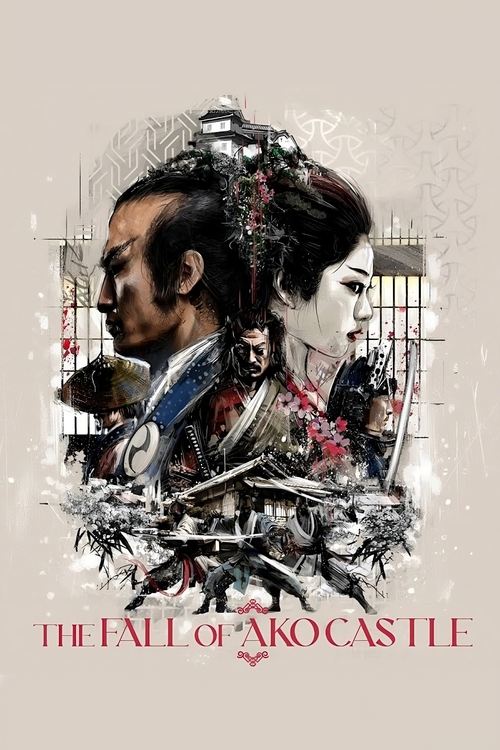
This is the story of "The Forty-Seven Ronin." Based on historical events in 1701-2, the movie tells the tale of the Asano clan's downfall and the revenge of its former samurai on the perpetrator of the catastrophe. Lord Asano was goaded, or tricked, into drawing his sword inside the Shogun's palace -- a crime which carried the death penalty. The newly installed Shogun was furious at Asano and ordered all his clan's assets seized, meaning some 20,000 samurai and commoners were unemployed and landless at a stroke. Forty-seven of these ronin (masterless samurai) banded together to take attempt revenge on Lord Kira, who had goaded Asano into drawing his sword.
1969
2003
1964

1962
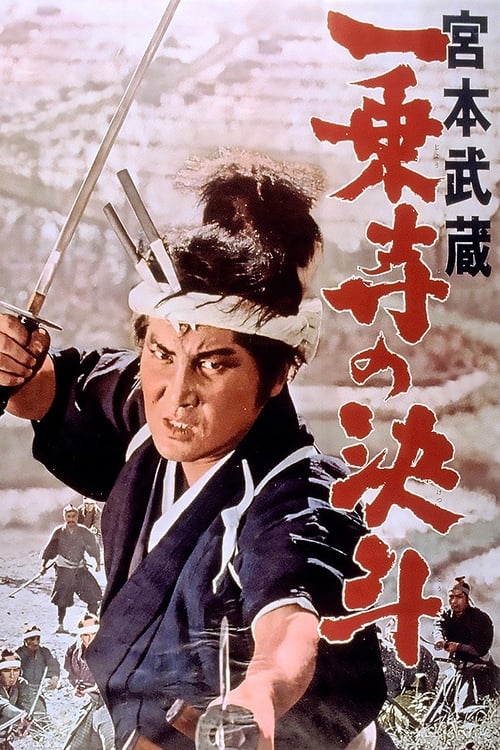
1964
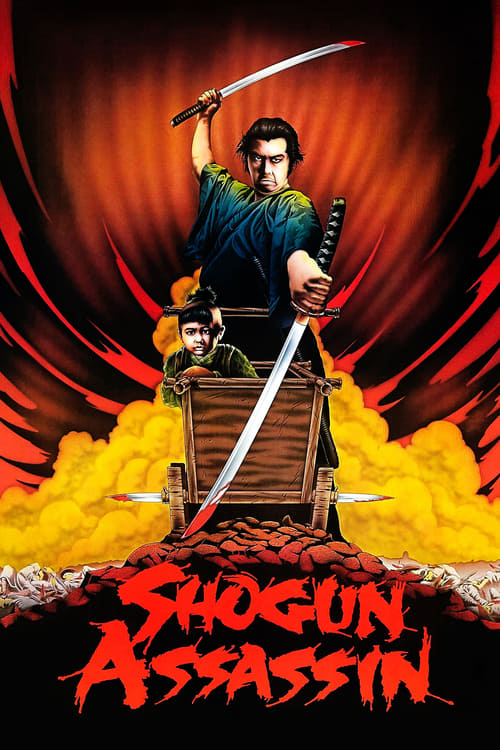
1980
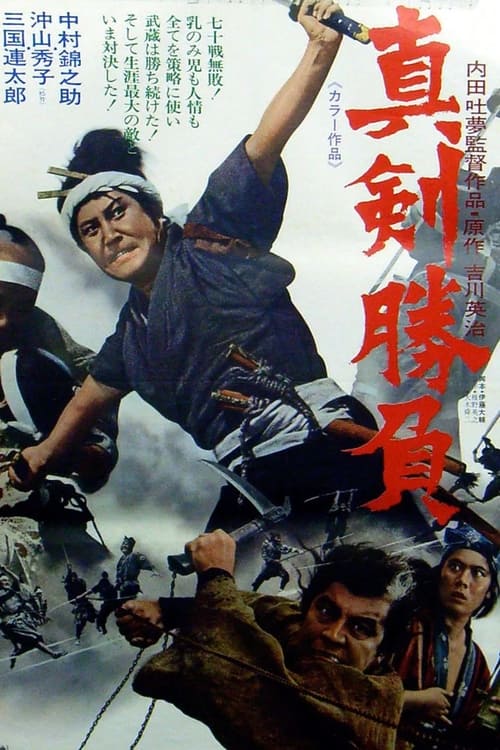
1971
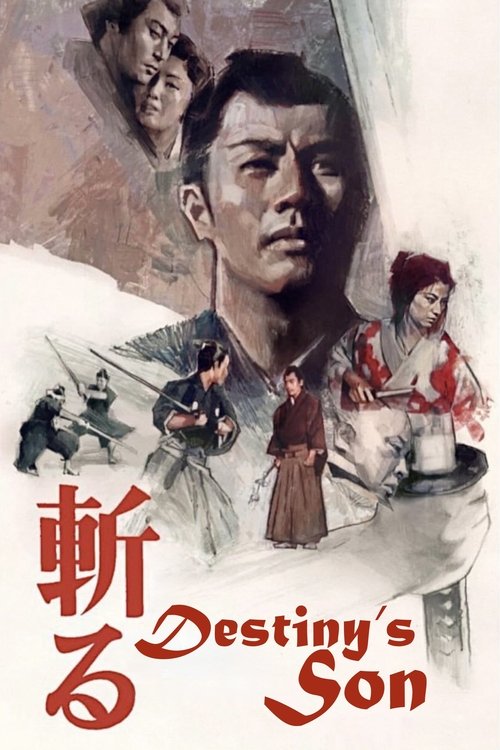
1962
No reviews yet. Be the first to share your thoughts on this movie!
Use the rating form above to leave a star rating and optional review.