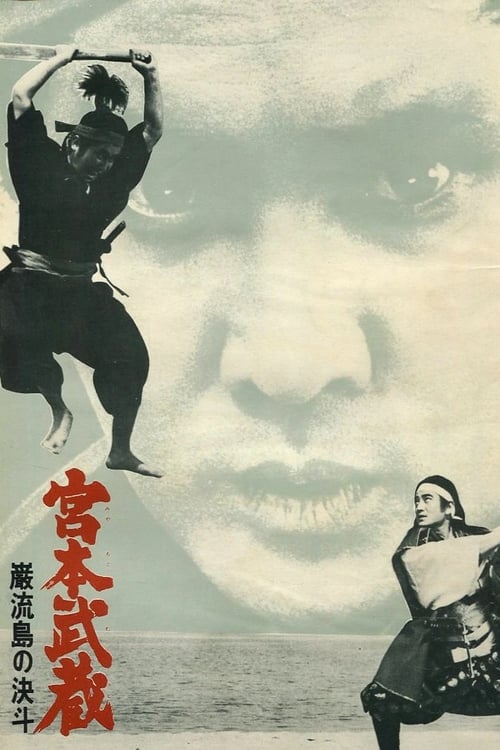
Miyamoto Musashi V: Musashi vs Kojiro
1965
No user ratings available yet
Representation score: 3.2 out of 10
Representation Score
Fair
1964
Not RatedDirector
Tomu Uchida
Runtime
127 minutes
Average Rating
No ratings yetNew Showbiz Analysis
This installment shifts the series from straightforward martial heroism to a psychological exploration of isolation. By framing the conflict as a rigged duel against a clan, the film transforms the protagonist's struggle into a confrontation with systemic opposition rather than just physical combat. The narrative structure prioritizes the disruption of social order and the subversion of the heroic archetype. It examines the corruption of traditional institutions and the psychological fragmentation of its characters. Though the film does not include modern identity markers, its focus on individual resistance against organized authority suggests a sophisticated storytelling approach that challenges conventional social hierarchies.
Category Breakdown
The film centers on a traditional romantic tragedy between Musashi and Otsu, without addressing non-straight or non-cisgender identities. It does not critique the assumption that everyone is straight or cisgender.
Otsu's descent into madness provides a nuanced look at femininity that moves beyond the stereotype of women as passive characters. By focusing on her psychological state, the film challenges the traditional role of women as mere motivators.
Set in historical Japan, the cast is ethnically uniform. However, the narrative delves deeply into the localized identity and social hierarchy of its main characters.
The film criticizes traditional institutions by showing a clan as treacherous and corrupt. The '73 against one' duel highlights the oppressive nature of established power structures.
Otsu's madness brings themes of mental health into the narrative, serving as a central pivot for the story's emotional arc. This inclusion of neurodivergence emphasizes the psychological struggles faced by the characters.
Present on Screen
Limited or Absent
Official Synopsis
In the fourth installment, Musashi's potentially greatest opponent Kojiro jumps in and out of the story at the oddest and most coincidental moments. As his great love Otsu has succumbed to madness. Musashi then sets off to beat the functionaries of a treacherous clan in an arranged duel. 73 against one. Boastful Kojiro watches, secure in the knowledge that only he is a worthy opponent.
1965

1974
1963
2003
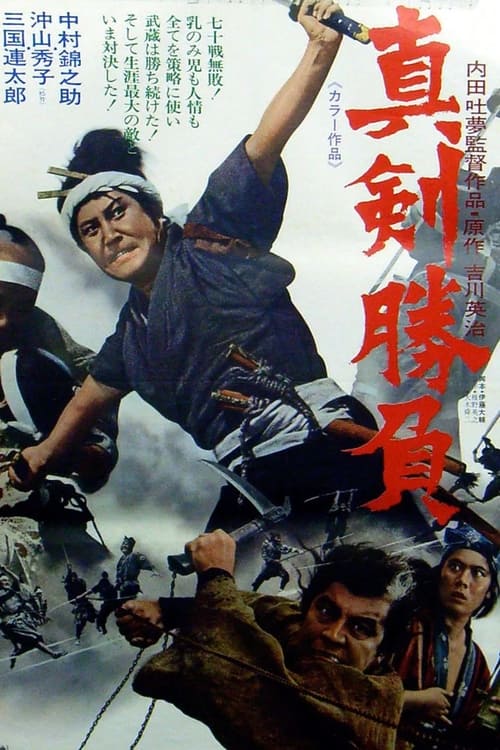
1971
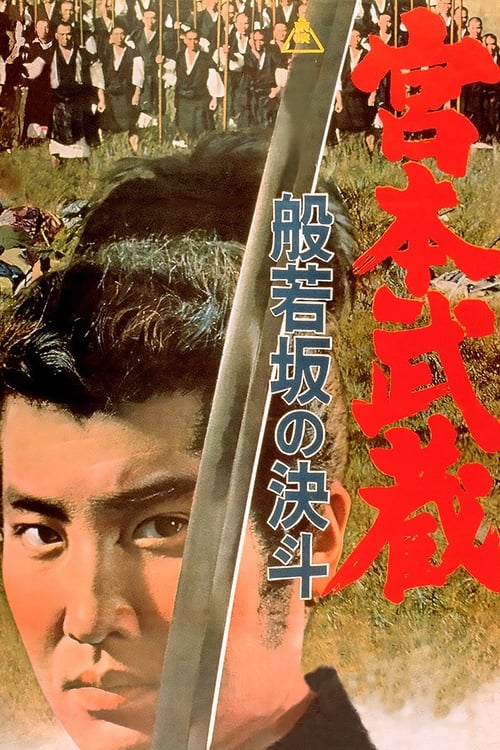
1962
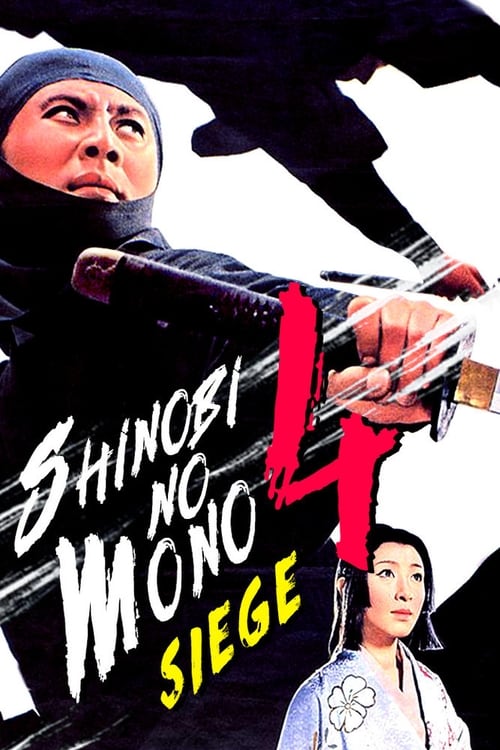
1964
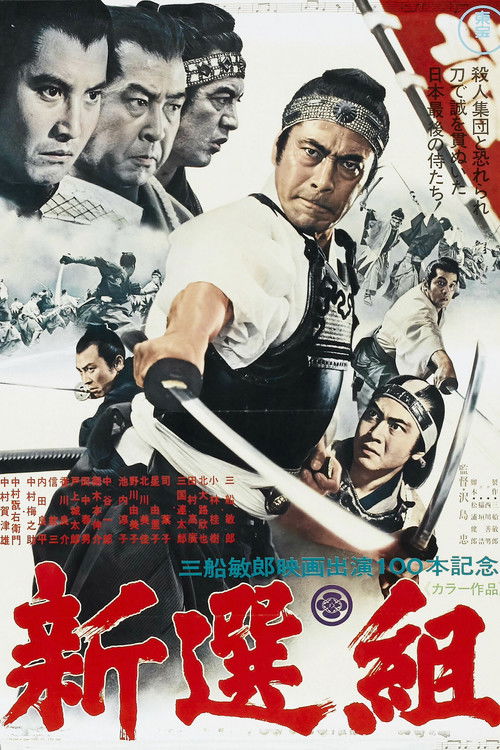
1969
No reviews yet. Be the first to share your thoughts on this movie!
Use the rating form above to leave a star rating and optional review.