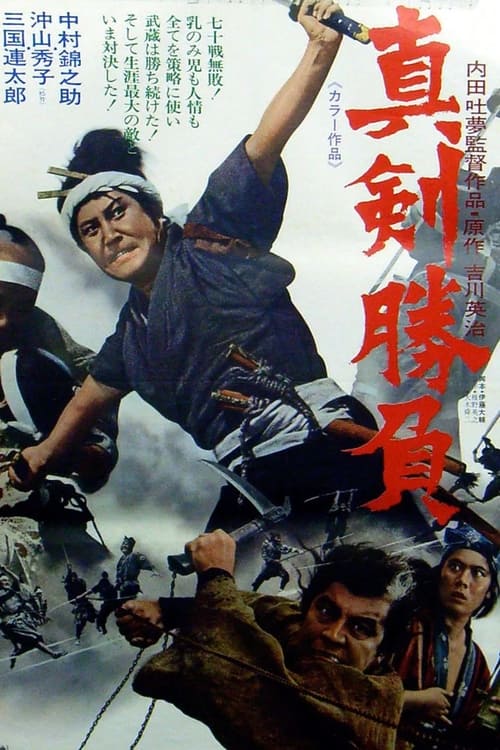
Miyamoto Musashi VI: Swords of Death
1971
No user ratings available yet
Representation score: 1.3 out of 10
Representation Score
Fair
1962
Director
Kenji Misumi
Runtime
71 minutes
Average Rating
No ratings yetNew Showbiz Analysis
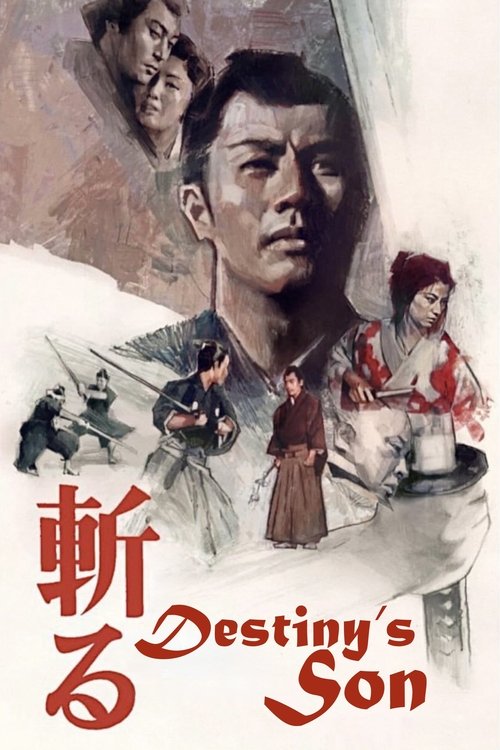
Destiny's Son is a classic chanbara film that emphasizes the individual's struggle against rigid, often violent structures of feudal society. While functioning as a traditional period drama, it stands out through a nuanced critique of systemic authority and the subversion of 'honorable' lineage. However, the film lacks contemporary markers of diversity. The narrative is driven by masculine archetypes and traditional gender hierarchies, offering limited visibility for LGBTQ+ identities or diverse gender roles. Ultimately, the film's strength lies in its social commentary on class and power dynamics rather than its breadth of demographic representation.
Category Breakdown
The film does not include explicit representations of LGBTQ+ identities or relationships that challenge traditional heterosexual norms. The story follows conventional Edo-period themes focused on lineage and revenge.
The narrative focuses heavily on the masculine archetype of the ronin. Although a murdered concubine sets off the plot, the story centers on Shingo's martial journey.
Set in Edo-period Japan, the film depicts a culturally homogeneous society. It offers a non-Western perspective on heroism without delving into racial blending or ethnic subversion.
The film critiques traditional institutions by portraying feudal authority as potentially corrupt. Shingo's struggle against systemic violence indicates a rejection of rigid social hierarchies.
There is no evidence regarding the portrayal of physical or neurodivergent disabilities in this work.
Present on Screen
Limited or Absent
Official Synopsis
In Edo-period Japan, Shingo is born the son of an assassin who was executed for murdering her lord’s concubine. Decades later, his adoptive family is massacred for keeping the secret. Armed with an unbeatable swordfighting technique, Shingo embarks on the path of the masterless samurai in search of vengeance and a path beyond his own ignominious origins.
1971
1972
1963
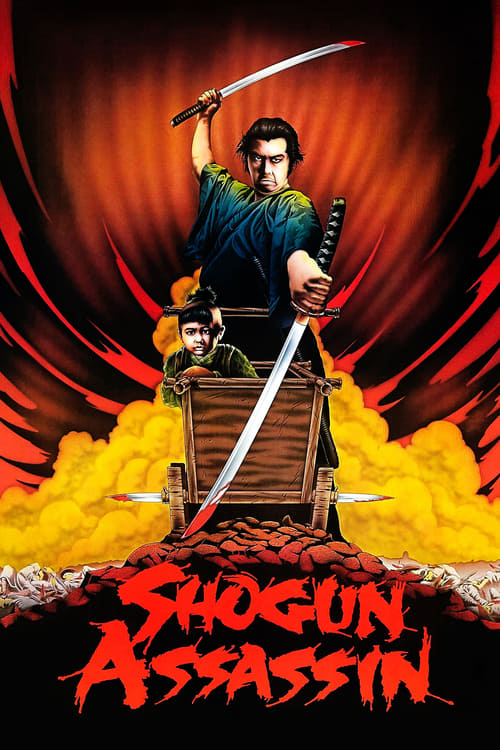
1980
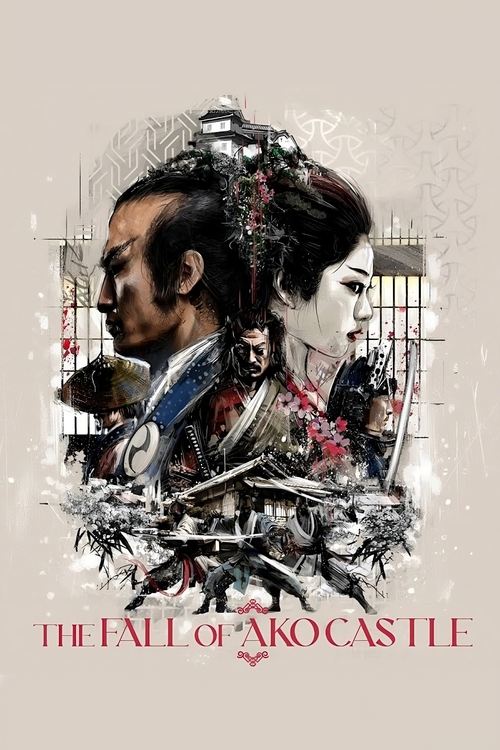
1978
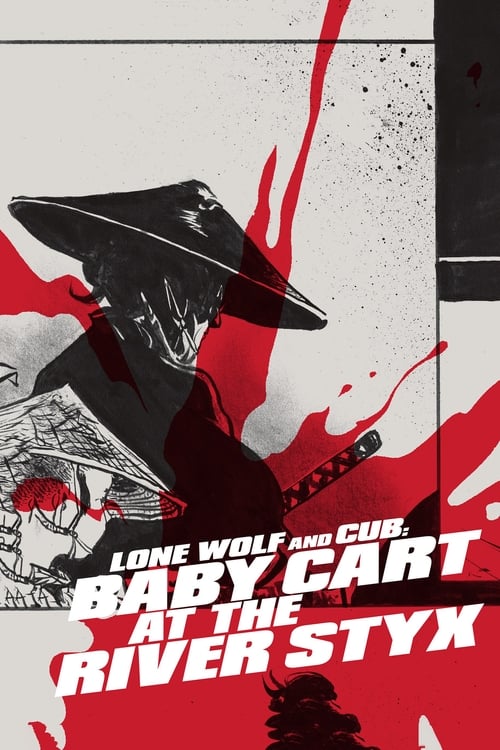
1972
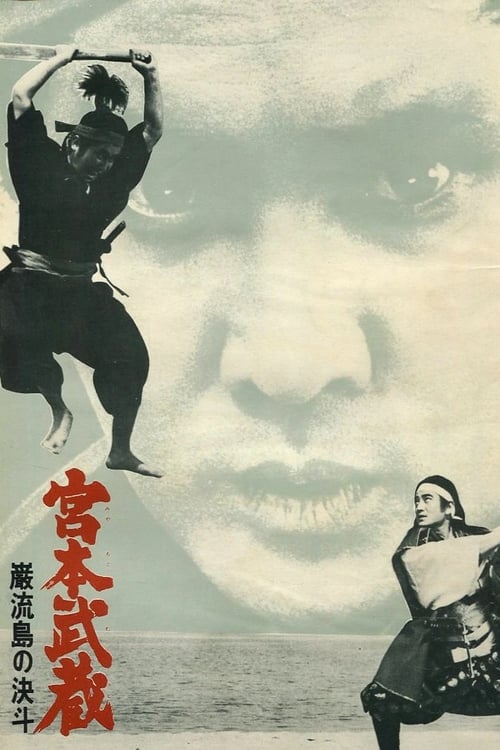
1965
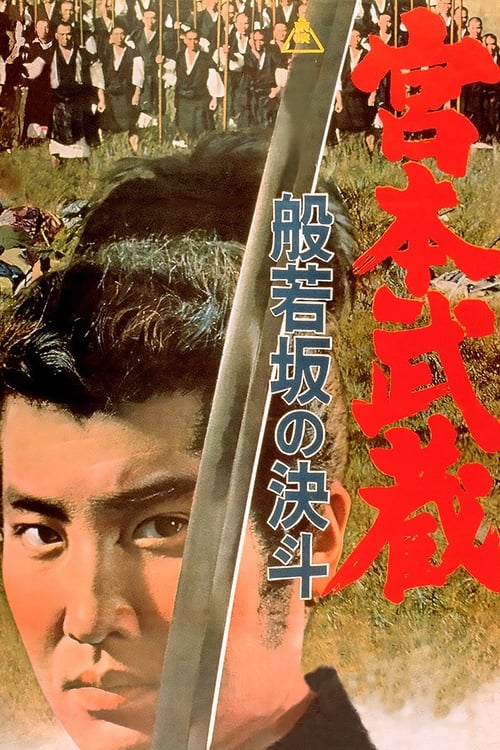
1962
No reviews yet. Be the first to share your thoughts on this movie!
Use the rating form above to leave a star rating and optional review.