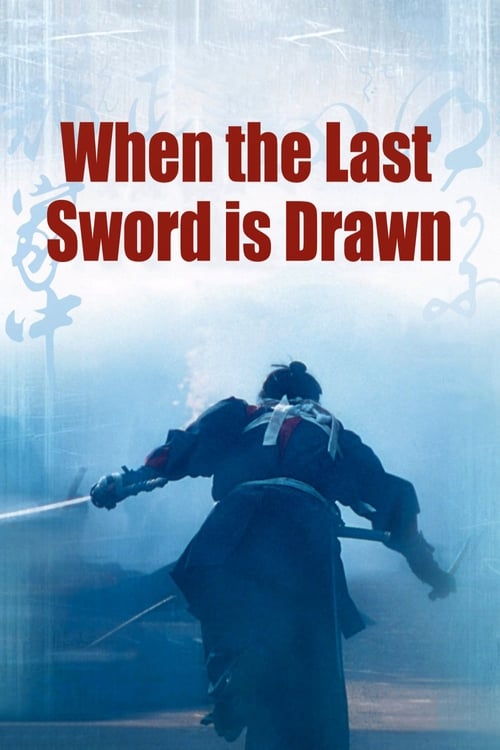
When the Last Sword Is Drawn
2003
No user ratings available yet
Diversity score: 2.5 out of 10
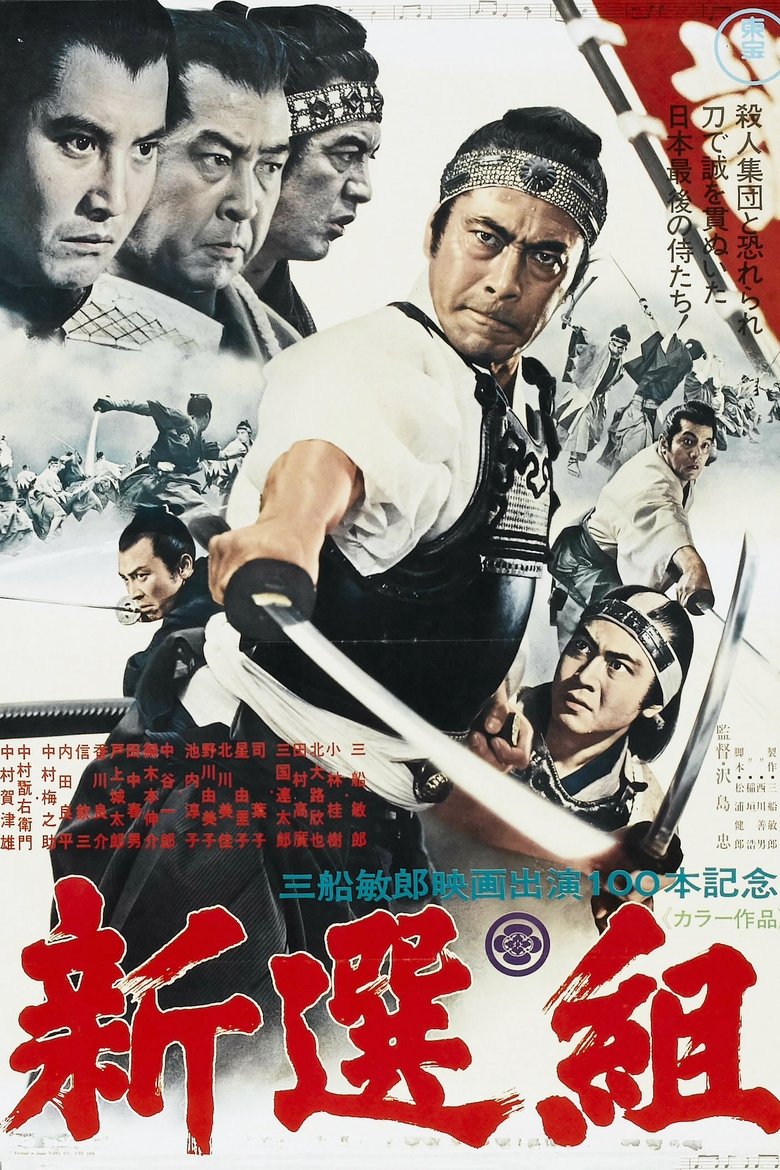
1969
Director
Tadashi Sawashima
Runtime
122 minutes
Average Rating
No ratings yetSynopsis
Near the end of the nineteenth century, as the balance of power shifts from Shogunate towards the Emperor, Japan restlessly awaits the dawning of a new age. But not all are content...The Shinsengumi, a small army of samurai, farmers and peasants, band together to do battle against the tide of history. Their leader, Isami Kondo is a man who rises from farmer to fighter to head the fierce Shinsengumi brigade. Using a stern hand and a heart of gold, he rallies his men in defense of the tottering Shogunate. But bloodshed and treachery lurk around every corner.
Overall Score
Limited
Category Breakdown
LGBTQ+ Representation
The film focuses entirely on the martial and political struggles of the Shinsengumi. There is no evidence of non-cisnormative identities or narratives that critique heteronormativity.
Gender Representation
The narrative centers on a male-dominated military structure and traditional masculine leadership. While class hierarchies are subverted, the film lacks female agency within the primary combatant roles.
Racial & Ethnic Diversity
The cast is historically homogeneous. However, the film provides internal social diversity by blending different social castes, such as samurai and peasantry, into a unified group.
Religious & Cultural Diversity
The story explores the collapse of the Shogunate and the rise of a new imperial order. Themes lean toward traditionalist loyalty and honor rather than explicit institutional critiques.
Disability Representation
The provided context contains no specific details regarding the portrayal of physical or neurodivergent disabilities.
Strengths
Areas for Improvement
AI Analysis
Shinsengumi: Assassins of Honor is a period action drama that prioritizes historical martial tropes and the preservation of honor. It functions as a study of systemic transition during the Bakumatsu period. The film succeeds in depicting socioeconomic mobility, showing how characters move from the peasantry into military leadership. This provides a nuanced look at the friction between traditional class structures and a shifting political landscape. However, the film adheres to conventional gender hierarchies and lacks intersectional complexity. The narrative architecture is designed to explore a fading era rather than to disrupt modern social or identity-based norms.
2003
1971
1964
1965
1978
1962
1963
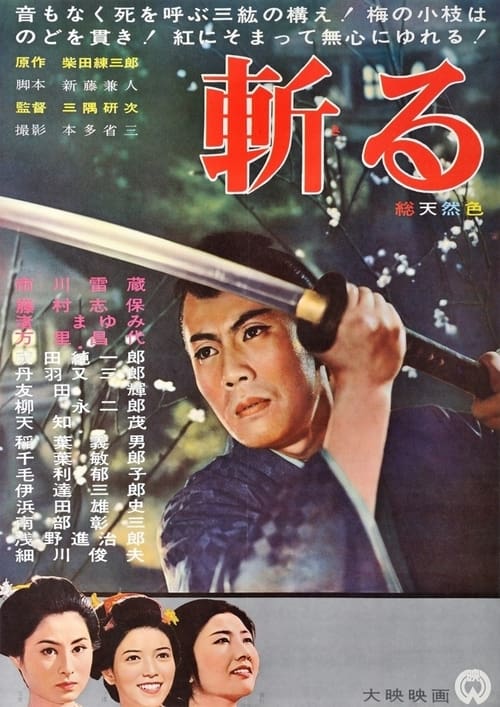
1962
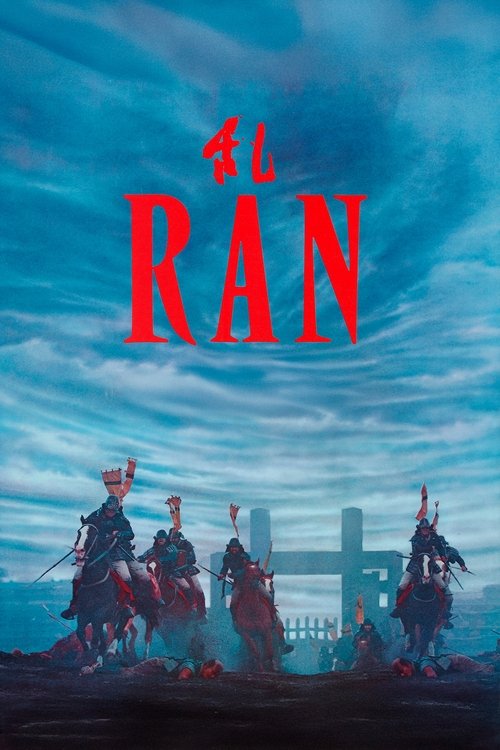
1985
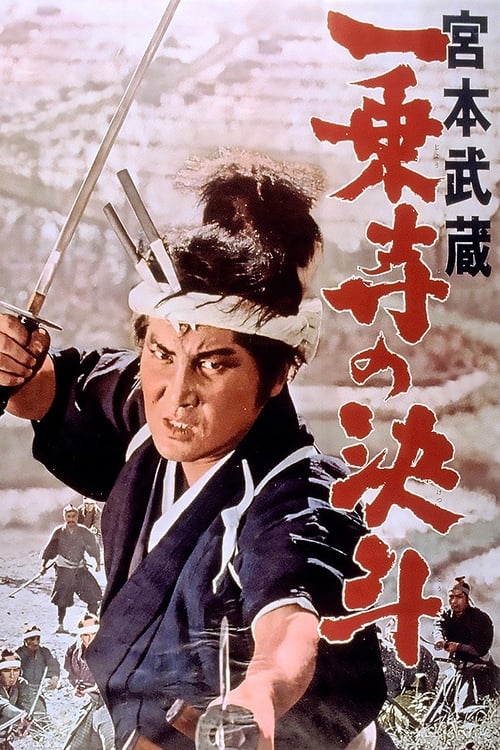
1964

1962
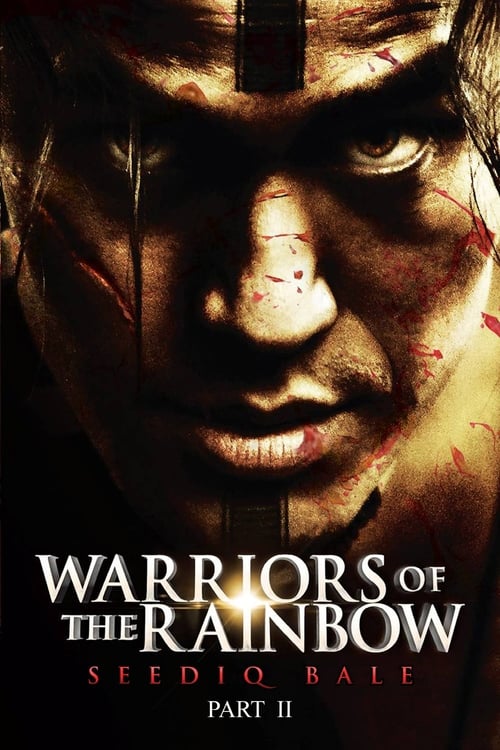
2011
No reviews yet. Be the first to share your thoughts on this movie!
Use the rating form above to leave a star rating and optional review.