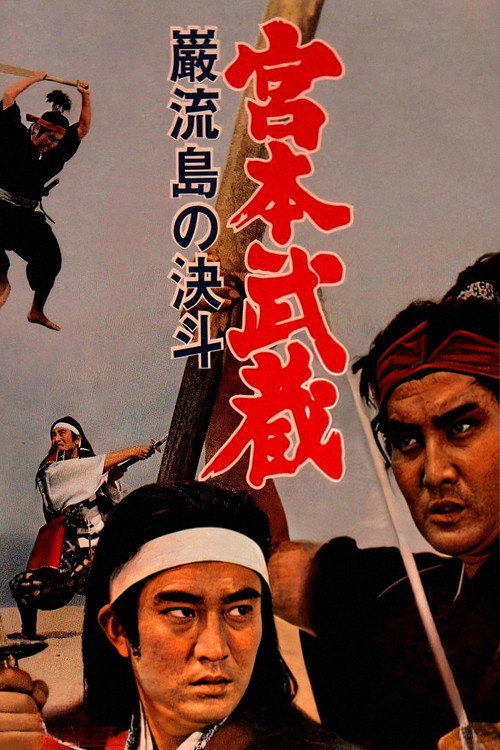
Miyamoto Musashi V: Musashi vs Kojiro
1965
No user ratings available yet
Representation score: 3.2 out of 10
Representation Score
Minimal
1963
Not RatedDirector
Tomu Uchida
Runtime
103 minutes
Average Rating
No ratings yetNew Showbiz Analysis
Miyamoto Musashi III is a period piece that prioritizes historical accuracy and martial philosophy over social critique. It excels in cultural authenticity, presenting a cohesive Japanese identity aligned with the 17th-century setting. However, the film adheres closely to traditional hierarchies. The narrative is driven by masculine pursuits of bushido, leaving little room for diverse gender roles or non-traditional gender identities. Ultimately, the work reinforces the established structures of the samurai era rather than challenging them.
Category Breakdown
The film focuses on traditional masculine pursuits during the Edo period. There is no indication of non-traditional gender identities or same-sex relationships.
The narrative emphasizes male protagonists pursuing martial skills. Female characters play roles consistent with the period's social structures and hierarchies.
The film stays true to its 17th-century setting with a predominantly Japanese cast. It avoids Western casting norms, maintaining cultural authenticity.
The story is rooted in Zen Buddhism and Edo-period traditions. It centers on Japanese philosophical frameworks without addressing modern social issues.
The narrative highlights the physical and mental discipline of swordsmen. There is no significant representation of disabilities.
Present on Screen
Limited or Absent
Official Synopsis
In the third installment of Yoshikawa's novel Musashi, things continue from the 2nd film at the end of battle, where Miyamoto continues on a mission of learning; with the introduction of his arch-rival Sasaki Kojiro; and lastly the large cast of characters rendezvouses for a fateful finale.
1965
2003
1971

1974
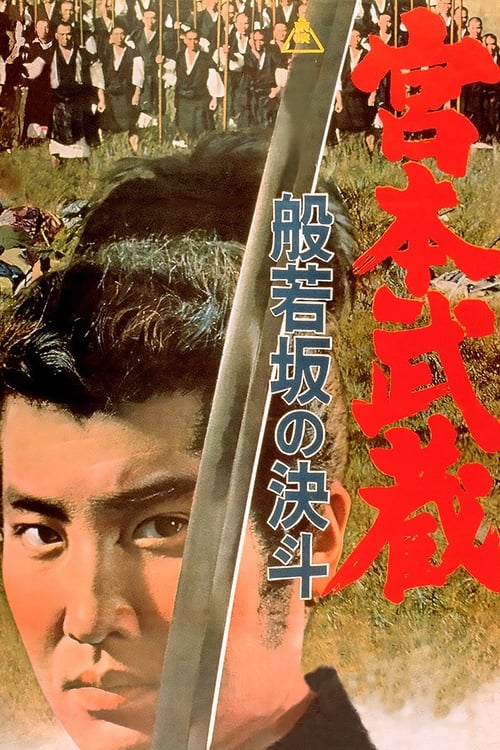
1962
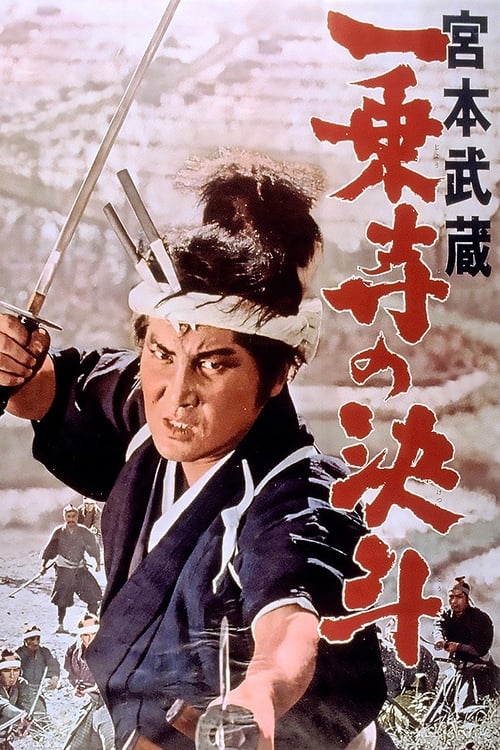
1964
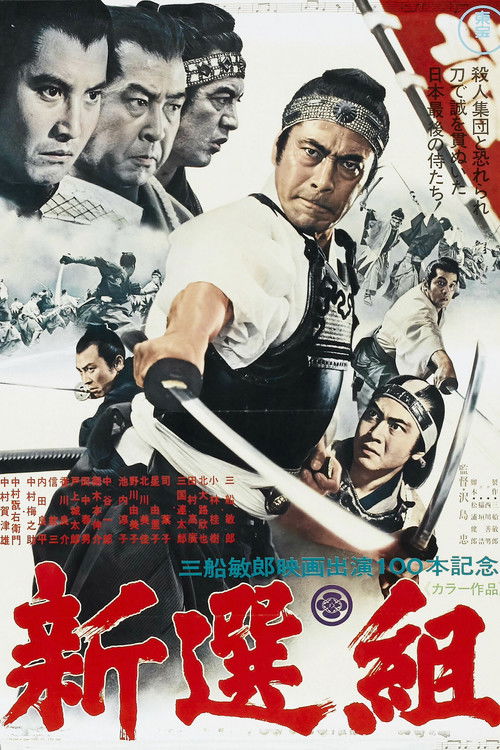
1969
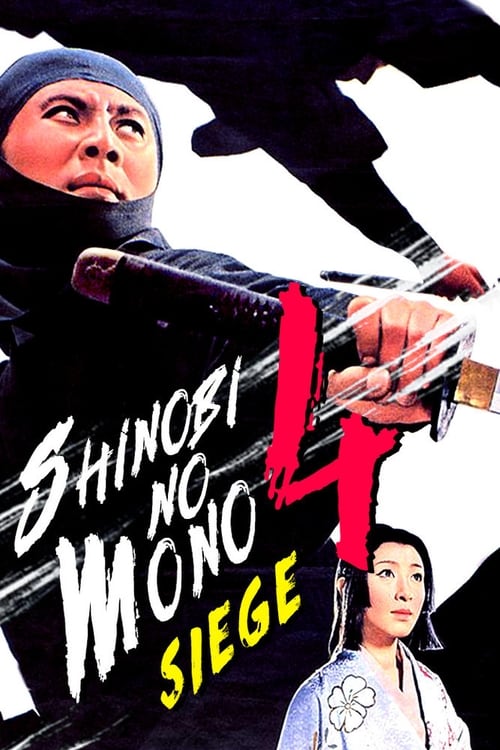
1964
No reviews yet. Be the first to share your thoughts on this movie!
Use the rating form above to leave a star rating and optional review.