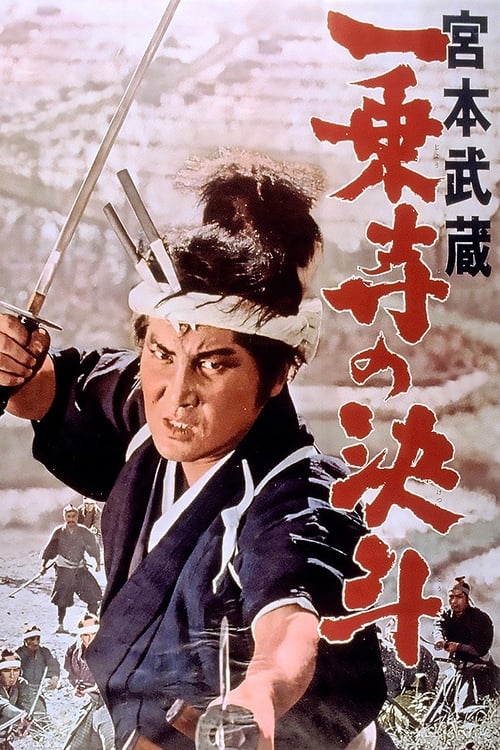
Miyamoto Musashi IV: The Duel at Ichijo-ji Temple
1964
No user ratings available yet
Representation score: 5.8 out of 10
Representation Score
Limited
1964
Director
Tokuzō Tanaka
Runtime
87 minutes
Average Rating
No ratings yetNew Showbiz Analysis
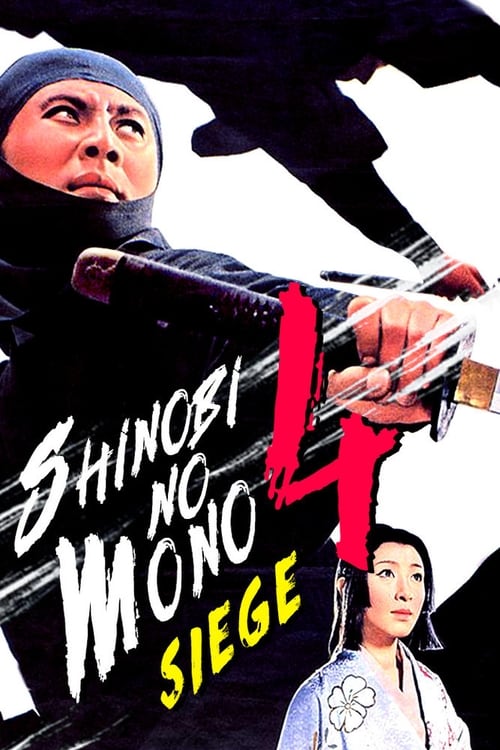
Shinobi no Mono 4: Siege is a traditional jidaigeki film that emphasizes historical genre clichés over challenging social norms. It provides a historically accurate portrayal of the 1614-1615 conflict between the Tokugawa and Toyotomi clans. The film follows the masculine-centric storytelling style common in 1960s samurai films. Its focus on samurai and ninja warfare leads to a narrative where male characters dominate, leaving little room for diverse gender or identity representation. While the film accurately depicts the social stratification of feudal Japan, it does not attempt to challenge the era's hierarchical structures. It remains a focused historical epic centered on political factionalism and martial duty.
Category Breakdown
The film does not include any characters with non-traditional gender identities or same-sex relationships. The plot centers on the conflicts between rival clans, emphasizing traditional masculine roles.
The story is dominated by male warriors such as samurai and ninjas, highlighting their roles in combat. Female characters have limited influence and ability to act.
The cast is made up of actors of Japanese descent, reflecting the historical setting of 17th-century Japan. There are no characters from other ethnic backgrounds.
The narrative is steeped in the traditional social hierarchy and bushido code of 17th-century Japan. It portrays the consolidation of power under the Tokugawa Shogunate without questioning the underlying social structures.
There are no characters with visible or invisible disabilities in the film. The storyline focuses on the political and military conflict between rival factions.
Present on Screen
Limited or Absent
Official Synopsis
[Period covered: 1614-1615] Tokugawa Ieyasu is now the ruler of all Japan. But one last loose thread must be tied up before his domination is complete -- the destruction of the Toyotomi clan, now beseiged in Osaka castle. Ieyasu's ninja are the only ones who can penetrate the fortress, but unfortunately for Ieyasu, Kirigakure Saizo and the other Toyotomi ninja can just as easily get out. As armies of samurai maneuver for battle, the fate of the nation will be decided by a desperate struggle in the dark!
1964
1974
1965
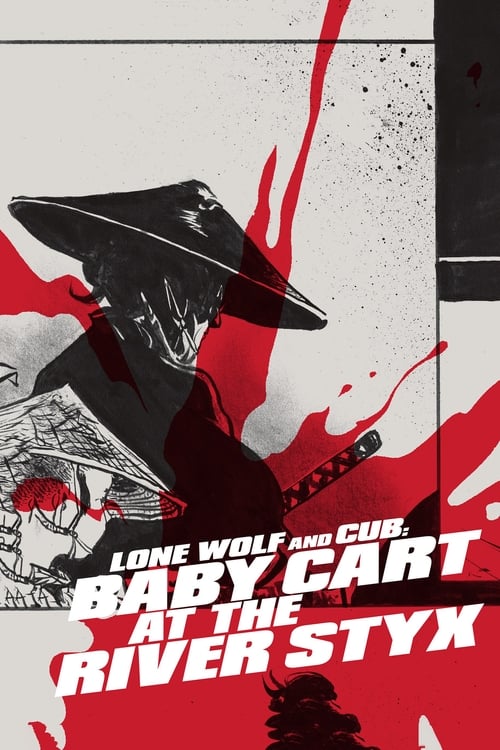
1972
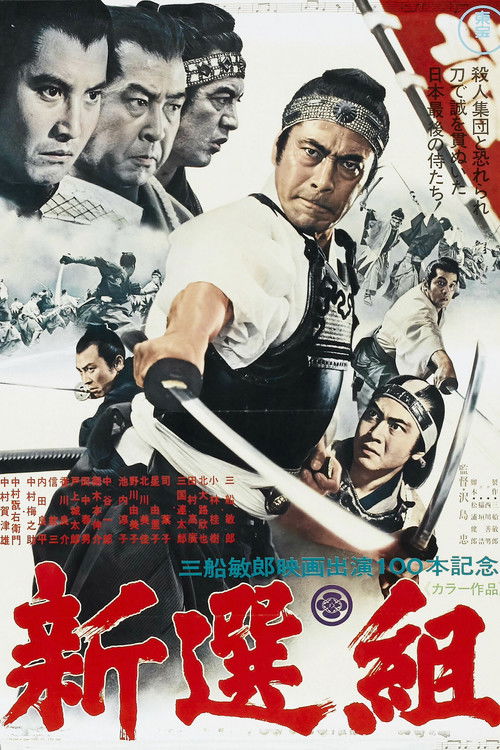
1969
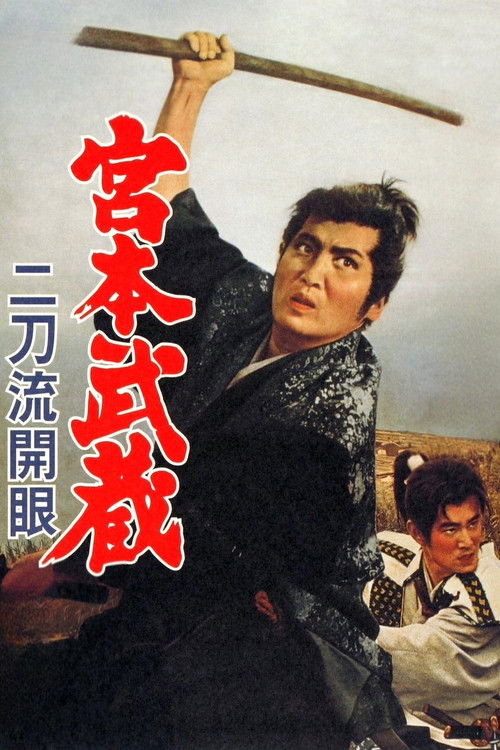
1963
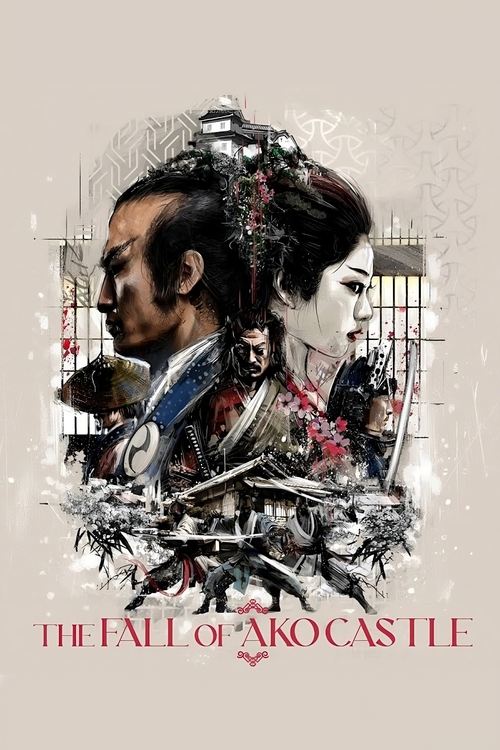
1978
1971
No reviews yet. Be the first to share your thoughts on this movie!
Use the rating form above to leave a star rating and optional review.