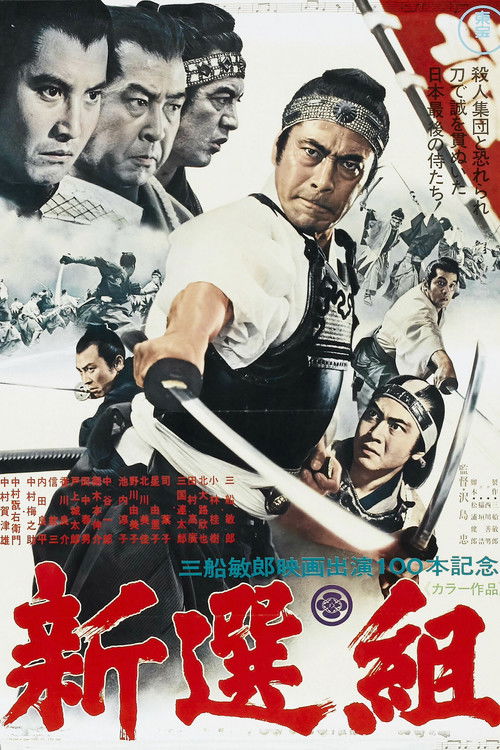
Shinsengumi: Assassins of Honor
1969
No user ratings available yet
Representation score: 1.3 out of 10
Representation Score
Minimal
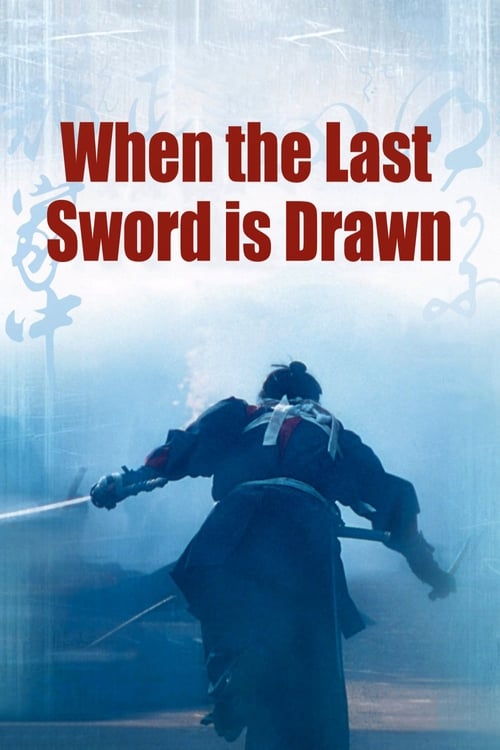
2003
Not RatedDirector
Yojiro Takita
Runtime
137 minutes
Average Rating
No ratings yetNew Showbiz Analysis
The film operates as a traditional historical drama that prioritizes period accuracy and the reinforcement of classical social hierarchies. It centers on the protagonist's struggle to support his family amid economic pressures within the samurai class. While the production avoids whitewashing common in Western period pieces, it does not aim to challenge the era's rigid social norms. The storytelling focuses on duty, honor, and the preservation of patriarchal stability. Ultimately, the work serves as a study of historical continuity. It lacks the elements needed to challenge the systemic structures of the time.
Category Breakdown
The film does not include any non-cisgender identities or same-sex relationships, sticking to the heterosexual norms of the Sengoku period.
Male characters dominate the narrative through combat and political strategies, while female characters are mostly confined to domestic duties or supportive roles.
The cast is ethnically uniform, reflecting the demographics of feudal Japan. The story highlights class differences between samurai and peasants without addressing racial diversity.
The film emphasizes traditional values such as clan loyalty and family sanctity. It examines survival within existing power structures without critiquing institutional systems.
There is no focus on neurodivergence or physical disabilities. Characters are defined by their physical strength and martial abilities.
Present on Screen
Limited or Absent
Official Synopsis
Kanichiro Yoshimura is a Samurai and Family man who can no longer support his wife and children on the the low pay he receives from his small town clan, he is forced by the love for his family to leave for the city in search of higher pay to support them.
1969
2020
1971
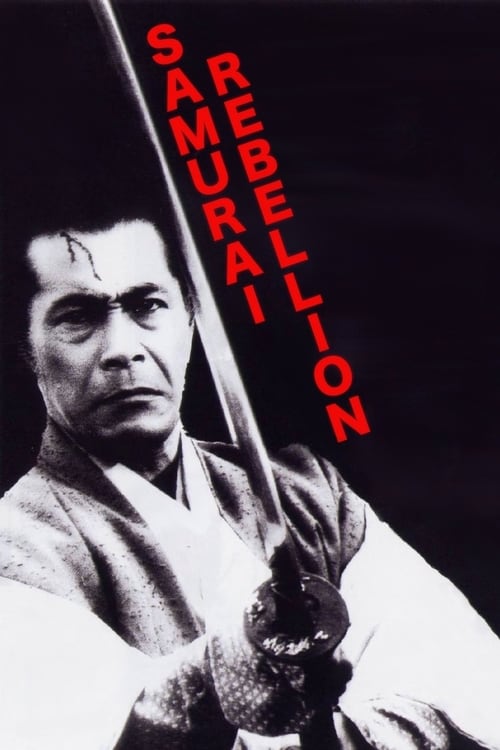
1967
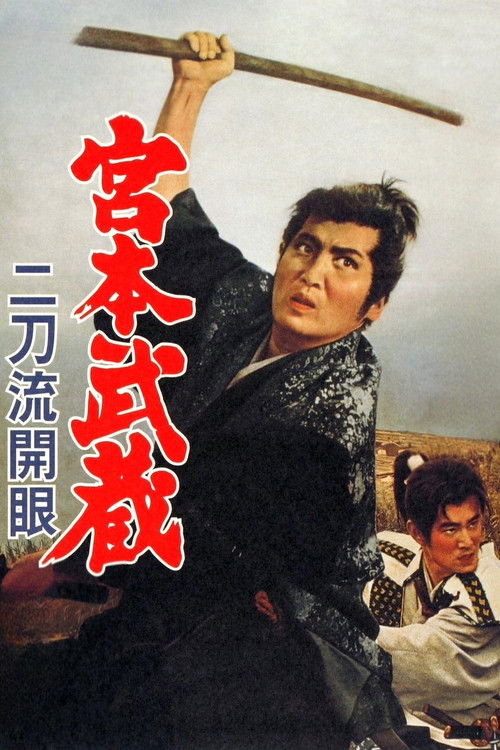
1963
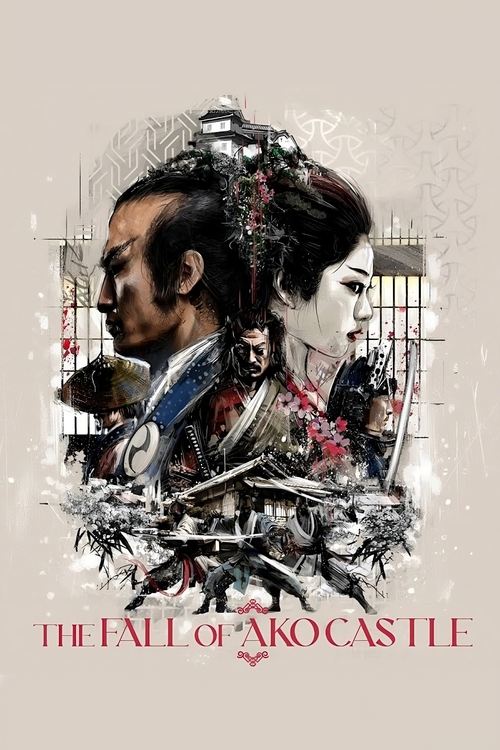
1978
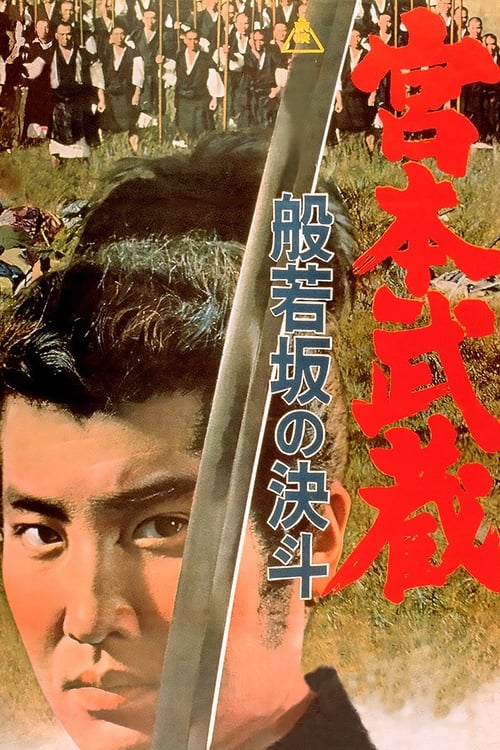
1962
2013
No reviews yet. Be the first to share your thoughts on this movie!
Use the rating form above to leave a star rating and optional review.