Kagemusha
1980
No user ratings available yet
Representation score: 1.9 out of 10
Representation Score
Fair
1985
RDirector
Akira Kurosawa
Runtime
160 minutes
Average Rating
No ratings yetNew Showbiz Analysis
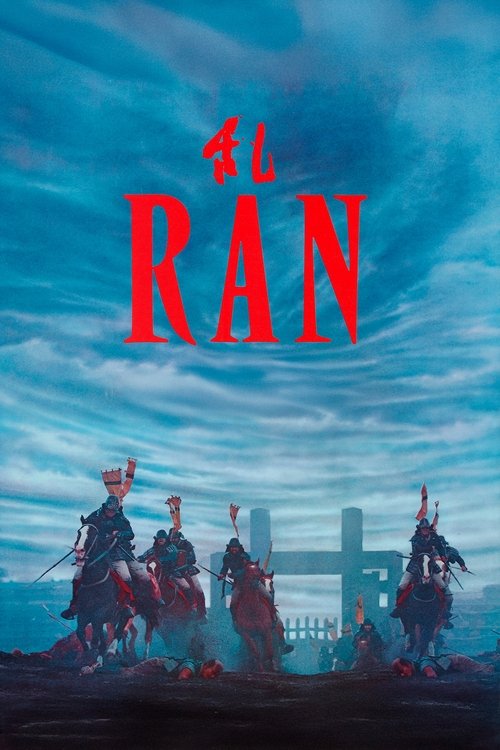
Ran is a monumental epic that uses Shakespearean tragedy to deconstruct the stability of feudal hierarchies. It moves beyond simple period drama to provide a sophisticated critique of power and the fragility of social orders. The film excels in cultural representation by challenging the sanctity of the family unit and traditional institutional stability. It replaces a singular moral compass with a nihilistic view of human ambition and cosmic indifference. However, the film lacks representation for LGBTQ+ identities and provides limited nuance regarding disability. While it explores mental health through Hidetora, these elements serve the plot rather than offering deep exploration of neurodivergence.
Category Breakdown
The film adheres to the assumption that everyone is straight or cisgender, reflecting the historical setting's lack of queer narratives or non-assuming gender matches what was assigned at birth identities.
Lady Kaede disrupts traditional hierarchies by acting as a primary agent of political disruption. She demonstrates superior strategic intellect, using patriarchal structures to orchestrate a sophisticated campaign of vengeance.
The cast reflects the ethnic homogeneity of the sixteenth-century samurai class. The production maintains historical authenticity within its specific cultural context rather than utilizing modern diverse casting.
The narrative deconstructs filial piety, portraying the family bond as a site of betrayal. It embraces moral relativism and Buddhist themes regarding the futility of human endeavor.
Lord Hidetora’s descent into madness is depicted as a consequence of trauma and betrayal. These depictions function as narrative devices to illustrate the collapse of authority.
Present on Screen
Limited or Absent
Official Synopsis
Shakespeare's King Lear is reimagined as a singular historical epic set in sixteenth-century Japan where an aging warlord divides his kingdom between his three sons.
1980
1957

1962
1944
1969
1971
1978
1989
No reviews yet. Be the first to share your thoughts on this movie!
Use the rating form above to leave a star rating and optional review.