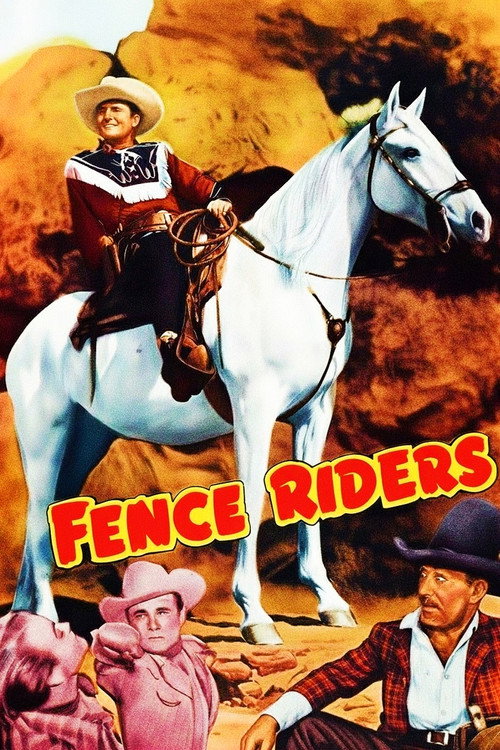
Fence Riders
1950
No user ratings available yet
Representation score: 1.2 out of 10
Representation Score
Minimal
1950
ApprovedDirector
Wallace Fox
Runtime
57 minutes
Average Rating
No ratings yetNew Showbiz Analysis
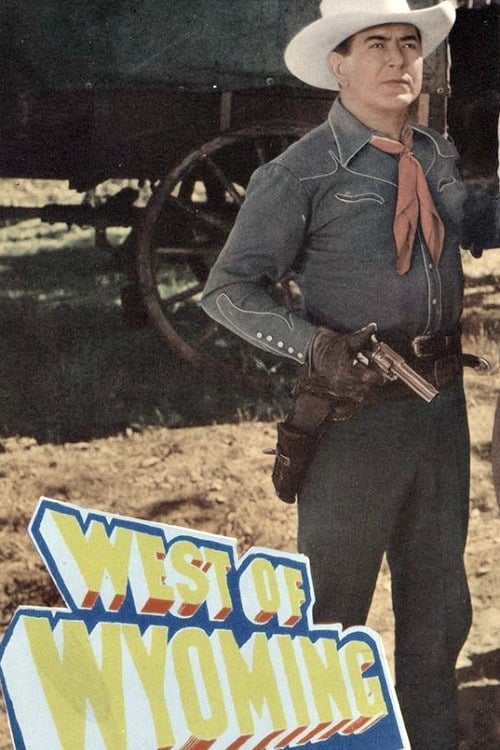
West of Wyoming is a traditional B-Western that functions as a linear morality tale. It adheres strictly to the genre conventions of 1950s Western cinema, reinforcing established social hierarchies and institutional norms rather than challenging them. The narrative focuses on the conflict between a government agent and a cattle baron. This structure prioritizes masculine authority and land ownership, leaving little room for diverse perspectives or complex social identities. Ultimately, the film serves as a period-typical genre piece. It lacks the intentionality or narrative complexity required to represent underrepresented groups or challenge the era's standard social expectations.
Category Breakdown
The film does not depict any non-straight identities or same-sex relationships. It follows a conventional framework that assumes everyone is straight and cisgender.
Gail Davis appears as the leading lady, but the narrative centers around masculine conflicts. Female roles are secondary to the patriarchal authority of the main character and antagonist.
The story focuses on homesteading and ranching through a likely homogeneous Anglo-Saxon lens. It prioritizes Western expansionist ideals without showing a diverse cast.
The film promotes traditional Western values regarding property rights and government authority. It uses a binary moral framework instead of exploring moral relativism.
There is no evidence of characters having visible or invisible disabilities. Disability is not used as a narrative device in this production.
Present on Screen
Limited or Absent
Official Synopsis
The Johnny Mack Brown West of Wyoming concerns the efforts by cattle baron Simon (Stanley Andrews) to prevent the opening up of the rang to homesteaders. Government agent Brown comes calling when Simon begins resorting to cold-blooded murder. The leading lady is Gail Davis, a few years shy of her Annie Oakley TV stardom. Surprisingly, West of Wyoming contains none of the comedy relief that had characterized earlier Johnny Mack Brown oaters.
1950
1939
1950
1958
1931

1980
1950

1959
No reviews yet. Be the first to share your thoughts on this movie!
Use the rating form above to leave a star rating and optional review.