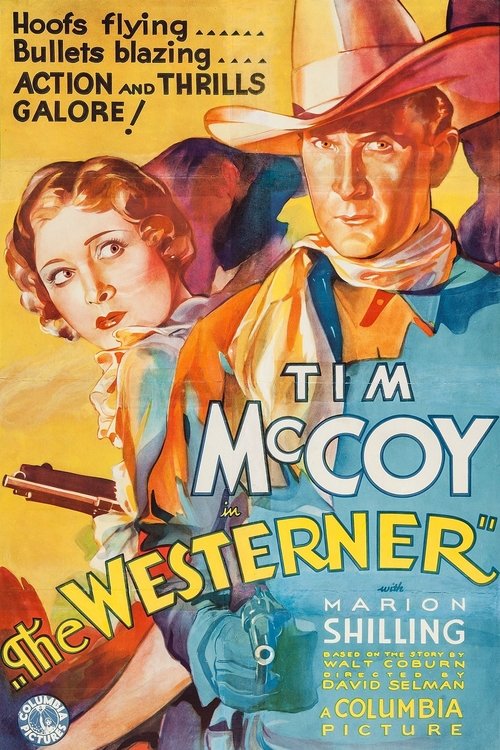
The Westerner
1934
No user ratings available yet
Representation score: 0.5 out of 10
Representation Score
Minimal
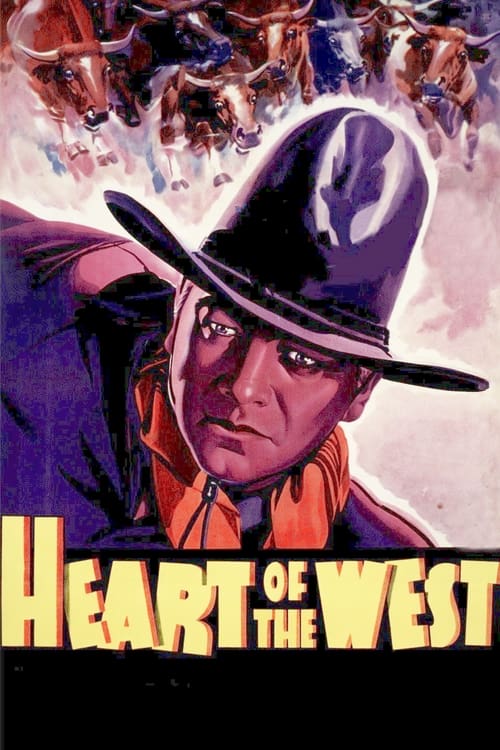
1936
PassedDirector
Howard Bretherton
Runtime
63 minutes
Average Rating
No ratings yetNew Showbiz Analysis
Heart of the West is a typical 1930s B-Western that emphasizes traditional frontier values and clear-cut heroism. The film reinforces the social and cinematic norms of its time. The narrative focuses on the masculine archetype of Hopalong Cassidy, offering limited space for diverse perspectives. It maintains the established social orders and conventional moral frameworks characteristic of the era’s studio productions. Ultimately, the film minimally disrupts traditional gender, racial, or social structures, providing a snapshot of mid-1930s cinematic norms.
Category Breakdown
This film does not include any LGBTQ+ characters or narratives. It follows the traditional gender roles common in 1930s cinema.
The story revolves around Hopalong Cassidy, a classic masculine hero. Female characters likely play traditional supporting roles or damsel-in-distress positions.
The film features a white protagonist and likely portrays Indigenous populations using stereotypical or reductive representations common to the era.
The narrative highlights frontier justice and individual heroism. It upholds traditional views of community and morality without critiquing Western institutions.
There are no characters with disabilities portrayed in the film. Disability is not a central theme here.
Present on Screen
Limited or Absent
Official Synopsis
Problems come in the form of one of Hopalong Cassidy's neighbors, but the matter is settled when Hoppy roots out the troublemaker.
1934
1939
1939
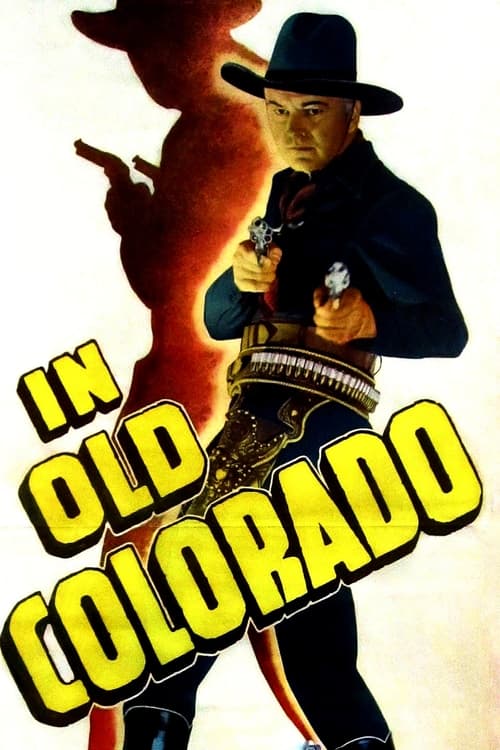
1941
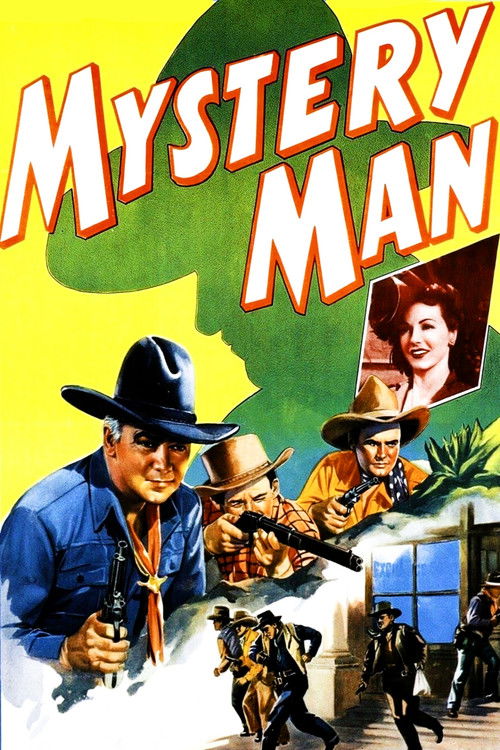
1944
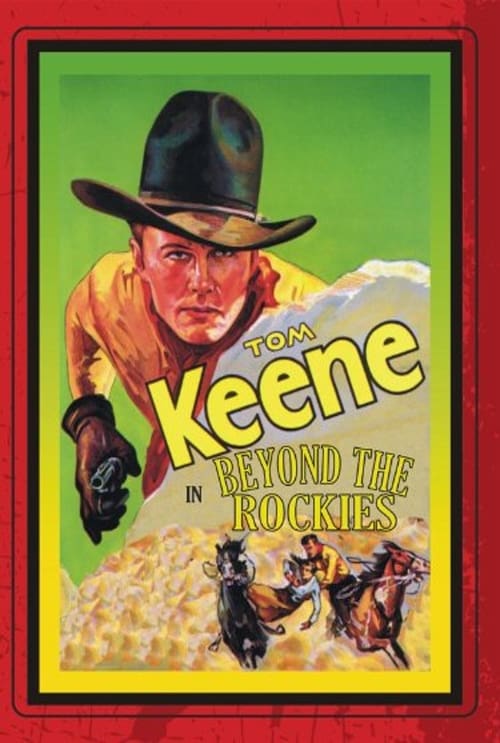
1932
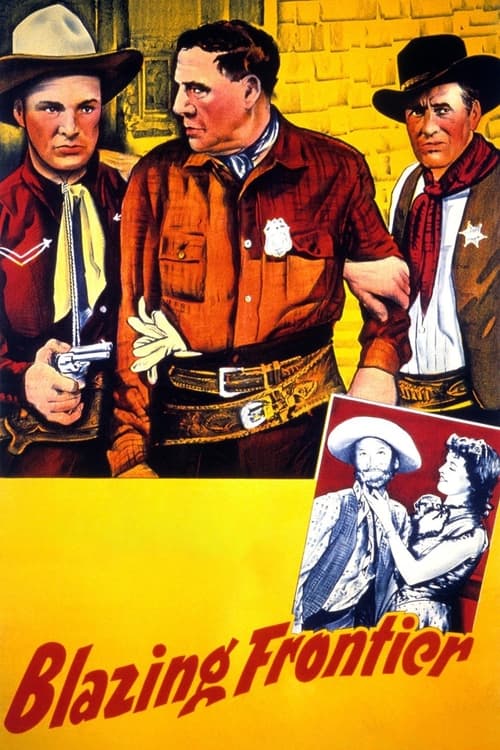
1943
1946
No reviews yet. Be the first to share your thoughts on this movie!
Use the rating form above to leave a star rating and optional review.