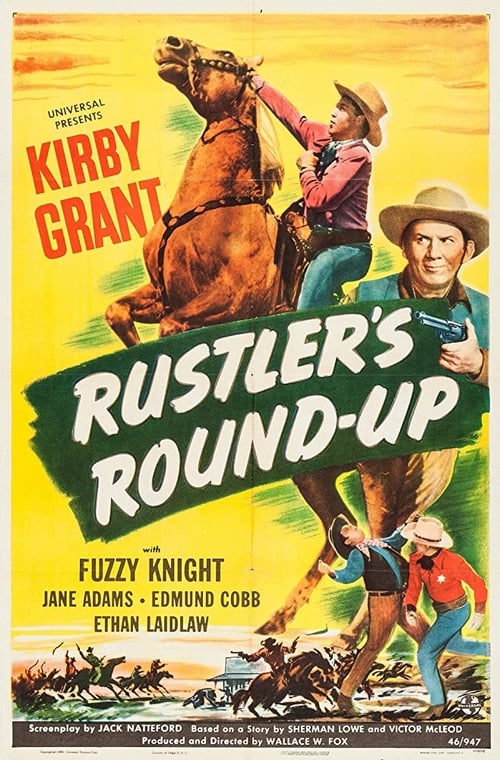
Rustler's Round-up
1946
No user ratings available yet
Representation score: 0.3 out of 10
Representation Score
Minimal
1950
ApprovedDirector
Wallace Fox
Runtime
57 minutes
Average Rating
No ratings yetNew Showbiz Analysis
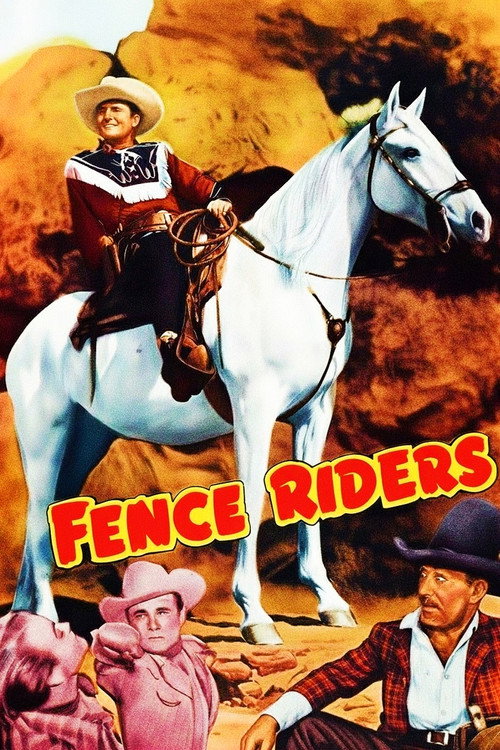
Fence Riders is a standard B-movie Western that prioritizes established genre conventions over narrative complexity. It reinforces traditional social hierarchies rather than challenging them. The film relies heavily on archetypes, specifically the male hero who restores order to a landscape of victimization. This structure limits the ability to act of female and minority characters, maintaining a singular, traditional perspective. Ultimately, the work upholds conventional values of property and individual heroism. It lacks the intentionality required to explore multiple aspects of identity or disrupt the status quo of the Western genre.
Category Breakdown
The film follows a traditional structure where the male protagonist helps a female ranch owner, suggesting a protective dynamic.
The narrative relies on traditional gender roles. The female ranch owner is portrayed as needing help from the male hero, reinforcing a victim role.
The film likely adheres to 1950s casting practices, centering Anglo-Saxon perspectives. It lacks evidence of diverse casting or meaningful ethnic complexity.
The story operates within traditional Western morality. It emphasizes clear distinctions between good and bad characters through themes of property rights and heroism.
There is no mention of characters possessing visible or invisible disabilities within the narrative.
Present on Screen
Limited or Absent
Official Synopsis
Whip Wilson and Andy Clyde are back and Monogram's got 'em in Fence Riders. The Whipster comes to the aid of beautiful ranch owner Reno Browne, who is being victimized by rustlers Myron Healey and Riley Hill. To get Wilson out of the way, the villains frame him on a murder rap.
1946
1958
1943
1950
1946
1950
1949
1950
No reviews yet. Be the first to share your thoughts on this movie!
Use the rating form above to leave a star rating and optional review.