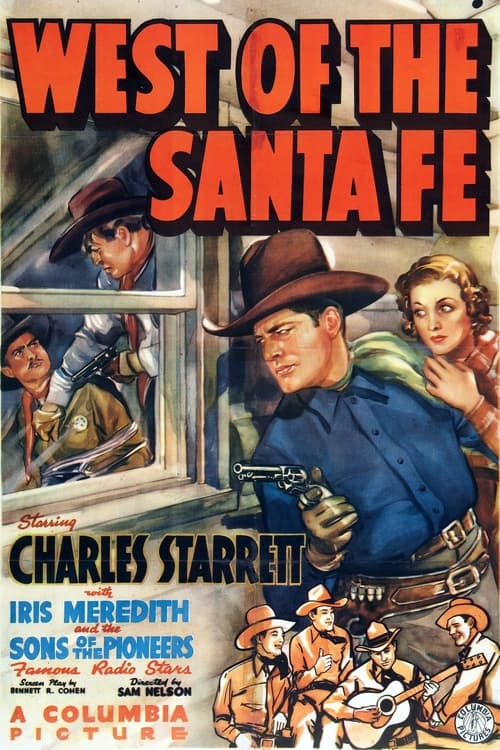
West of the Santa Fe
1938
No user ratings available yet
Representation score: 0.4 out of 10
Representation Score
Minimal
1938
ApprovedDirector
Sam Nelson
Runtime
59 minutes
Average Rating
No ratings yetNew Showbiz Analysis
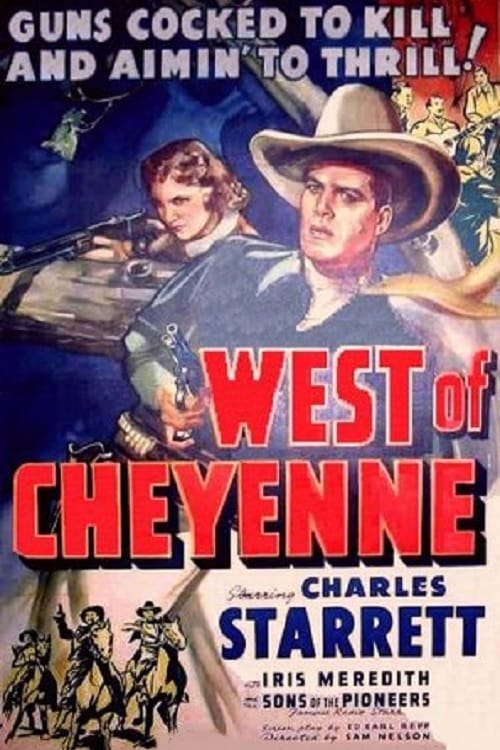
West of Cheyenne is a typical 1938 Western that adheres to the genre conventions and social hierarchies of its time. The plot follows a predictable hero-versus-villain arc centered on ranch ownership and cattle rustling. The film lacks complexity in representing multiple aspects of identity, relying on traditional formulas of heroism and straight relationships. Character roles are heavily gendered, with the male protagonist driving the investigation while the female lead remains a passive object of conflict. Overall, the production reflects the demographic and cultural norms of early Hollywood, offering a conventional narrative that reinforces established social structures without challenging them.
Category Breakdown
The film focuses on a traditional romantic relationship between the main character and his girlfriend. There are no characters with non-straight or non-cisgender identities.
Gender roles follow traditional hierarchies. The female character is kidnapped and acts as a catalyst for male action, rather than an independent agent.
The narrative focuses on ranch ownership and cattle rustling, reflecting the homogeneous demographic norms of 1938. It lacks diverse racial or ethnic representation.
The story uses a standard Western moral framework centered on property rights and law enforcement. It reinforces established frontier institutions without offering social critique.
The synopsis provides no information about characters with visible or invisible disabilities. No assessment of neurodivergence or physical impairment is possible.
Present on Screen
Limited or Absent
Official Synopsis
Brad Buckner has just bought a ranch. Murdock keeps his rustled cattle on the ranch and sends his men to kill Buckner just as they did the previous owners. But Buckner and his men foil their attempts and decide to search the ranch. To throw Buckner off he kidnaps Buckner's girlfriend and the Sheriff and makes plans to drive the cattle across the border.
1938
1960
1934

1939
1942
1918
1937
1938
No reviews yet. Be the first to share your thoughts on this movie!
Use the rating form above to leave a star rating and optional review.