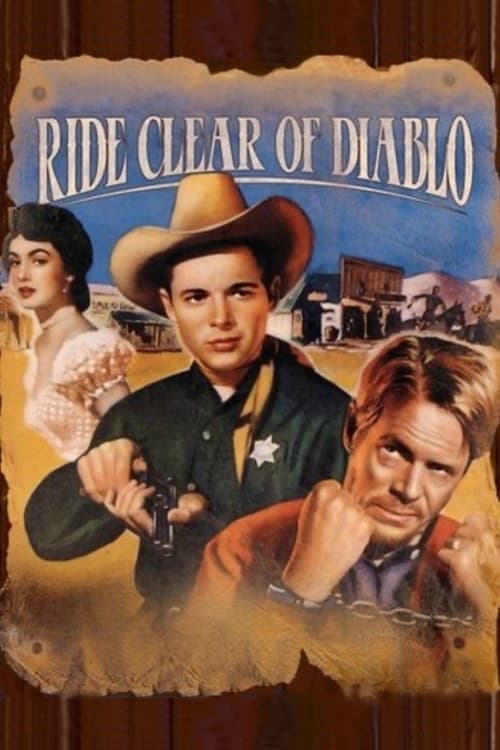
Ride Clear of Diablo
1954
No user ratings available yet
Representation score: 0.5 out of 10
Representation Score
Minimal
1945
ApprovedDirector
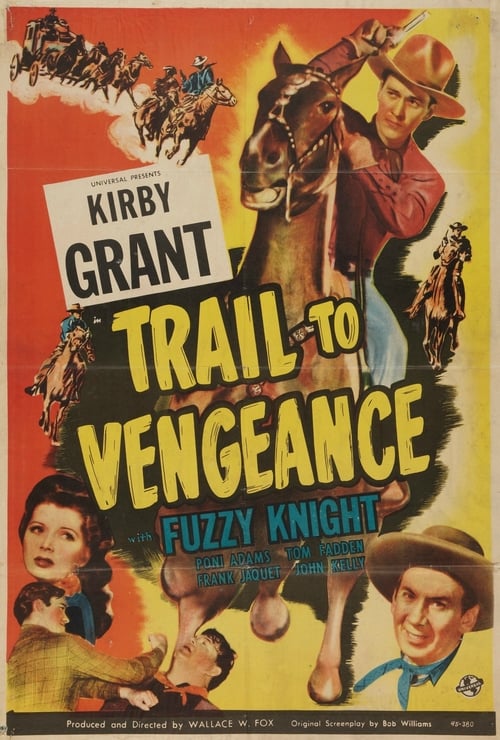
Wallace Fox
Runtime
54 minutes
Average Rating
No ratings yetNew Showbiz Analysis
Trail to Vengeance is a conventional B-movie Western that adheres closely to the social and narrative structures of the mid-1940s. The plot centers on a cowboy's pursuit of justice against a banker, prioritizing genre clichés over diverse representation. The film upholds traditional power dynamics and masculine archetypes. It functions as a standard genre piece that avoids challenging social norms or providing layered perspectives on identity. Ultimately, the production reflects the era's preference for homogeneous casting and rigid gender roles, focusing the story on white, male-driven property disputes.
Category Breakdown
The film follows the conventions of 1945 cinema and does not include any LGBTQ+ characters or stories that explore non-straight relationships.
The story revolves around a male protagonist seeking revenge and protecting his property. Female characters likely play supporting roles without much independence.
The narrative focuses on Anglo-Saxon viewpoints regarding property disputes. It probably lacks significant roles for non-white characters typical of the frontier setting.
The film emphasizes a traditional Western moral framework centered on justice and vengeance, reinforcing established social orders and the importance of family.
There are no characters with visible or invisible disabilities in this production.
Present on Screen
Limited or Absent
Official Synopsis
A cowboy investigating his brother's murder finds himself going up against a banker who holds the deed to the cowboy's family ranch.
1954
1956
1944
1940
1948
1967
1939
1946
No reviews yet. Be the first to share your thoughts on this movie!
Use the rating form above to leave a star rating and optional review.