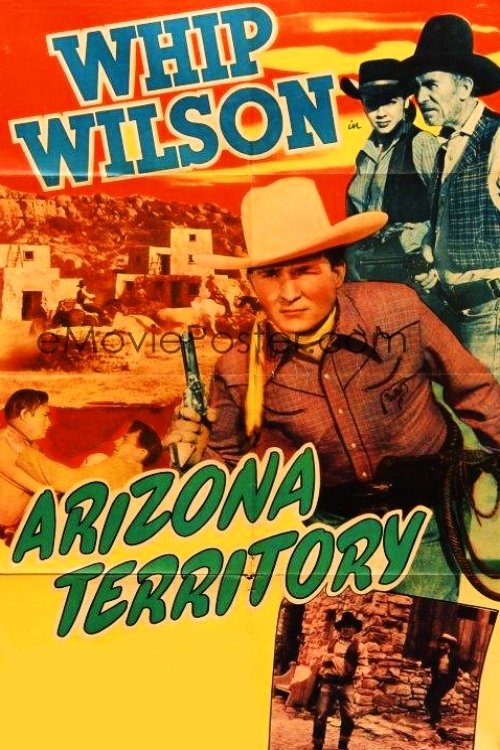
Arizona Territory
1950
No user ratings available yet
Diversity score: 2.4 out of 10
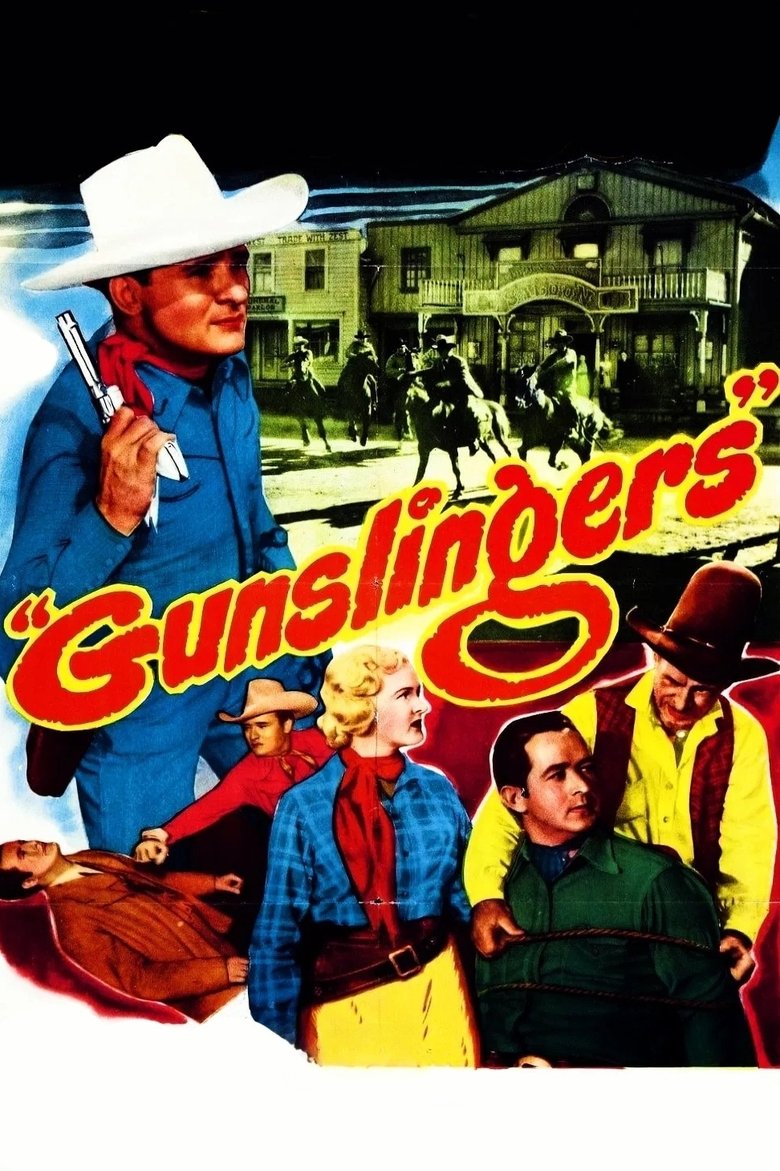
1950
ApprovedDirector
Wallace Fox
Runtime
61 minutes
Average Rating
No ratings yetSynopsis
Wilson and his saddle pal Andy Clyde come to the rescue of a group of ranchers who are being victimized by villain Ace Larabee (Douglas Kennedy). Ace has inside information that the railroad is coming through the territory, and he intends to grab up all the land and sell it to the train execs for a tidy profit.
Overall Score
Minimal
Category Breakdown
LGBTQ+ Representation
The film lacks any LGBTQ+ characters or narratives. It adheres to the traditional romantic and social structures typical of 1950s Western cinema.
Gender Representation
The story focuses almost exclusively on male protagonists and antagonists. There is no evidence of female agency or the subversion of traditional gender hierarchies.
Racial & Ethnic Diversity
The narrative reflects the homogeneous demographic norms of the era. It centers on Anglo-Saxon protagonists without showing non-white characters with significant agency.
Religious & Cultural Diversity
Themes of Western expansionism and railroad development drive the plot. The conflict follows a standard good versus evil framework without challenging institutional norms.
Disability Representation
There is no mention of characters with visible or invisible disabilities. The film lacks any neurodivergent representation.
Strengths
Areas for Improvement
AI Analysis
Gunslingers is a quintessential mid-century B-movie Western that prioritizes genre tropes over social complexity. The narrative is built around a standard conflict between heroic ranchers and a greedy land grabber, following a predictable moral arc. The film operates within the conservative demographic standards of 1950. It relies on established masculine archetypes and lacks any meaningful representation of diverse identities, including gender, race, or sexual orientation. Ultimately, the production serves as a period piece that reinforces the traditionalist social hierarchies of the Western frontier rather than questioning them.
1950
1946
1950
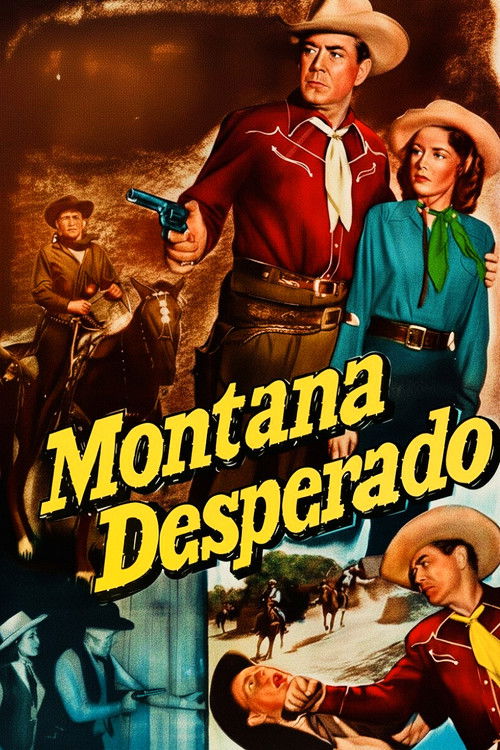
1951
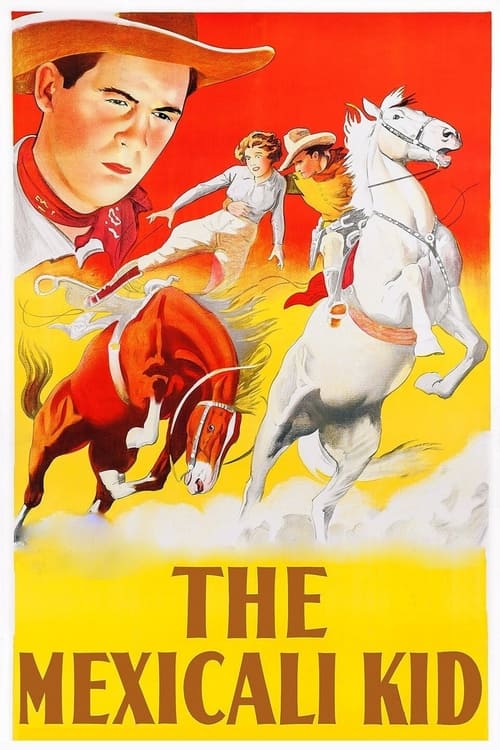
1938
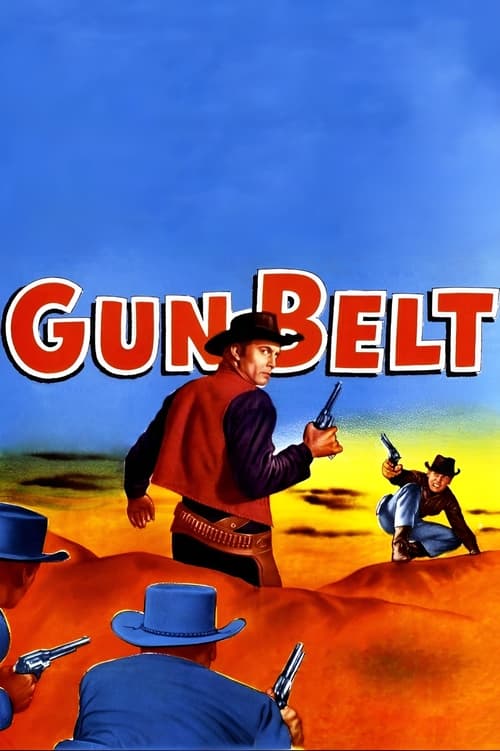
1953
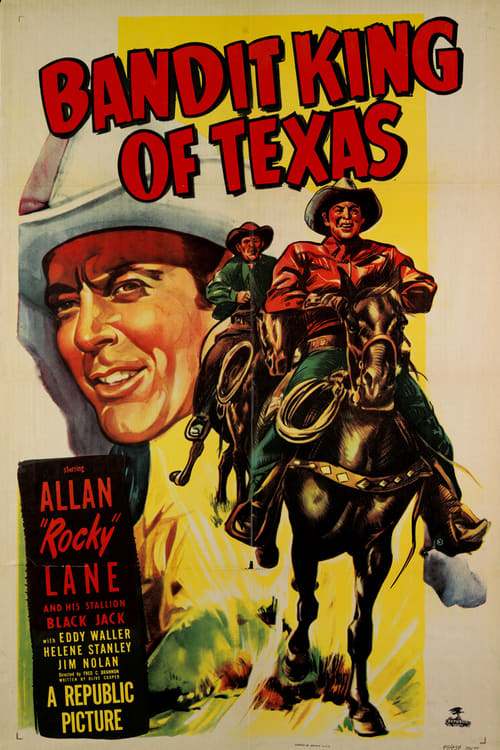
1949
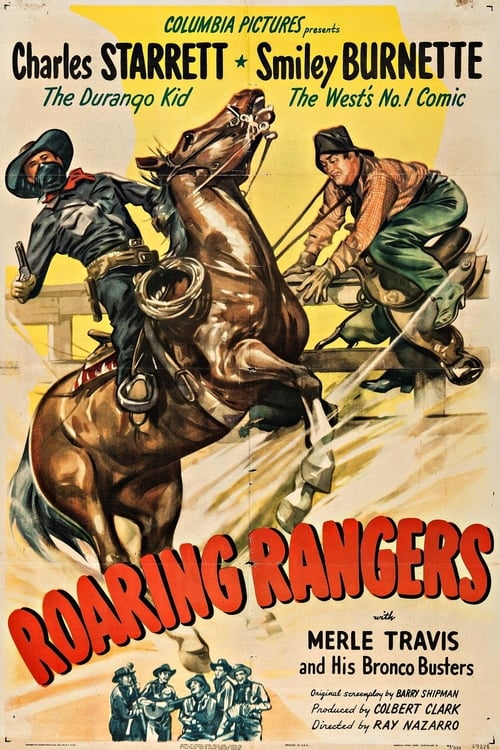
1946
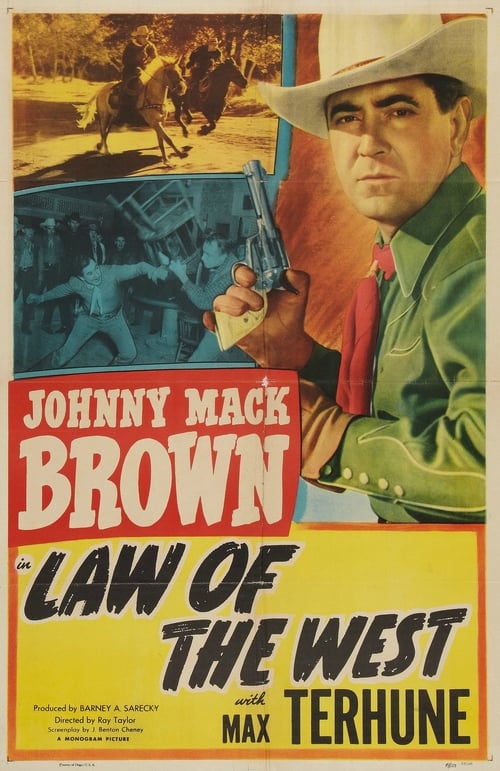
1949
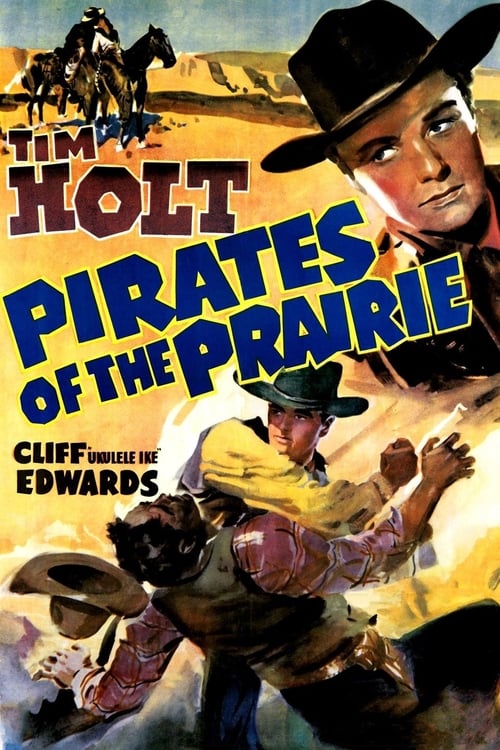
1942
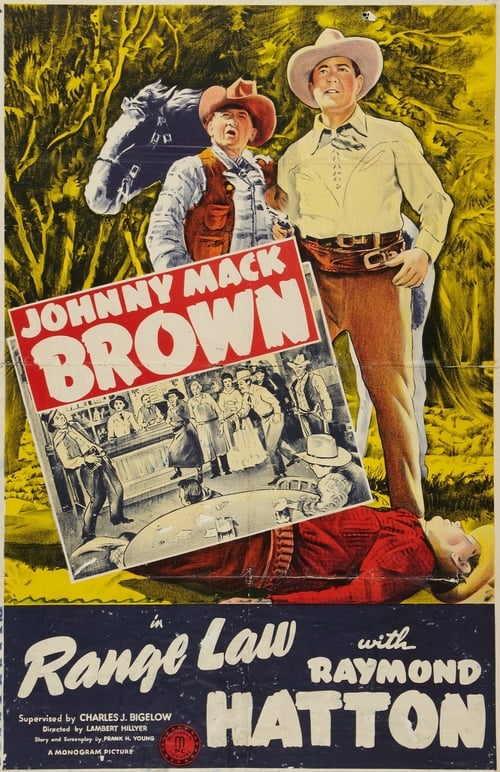
1944
1947
No reviews yet. Be the first to share your thoughts on this movie!
Use the rating form above to leave a star rating and optional review.