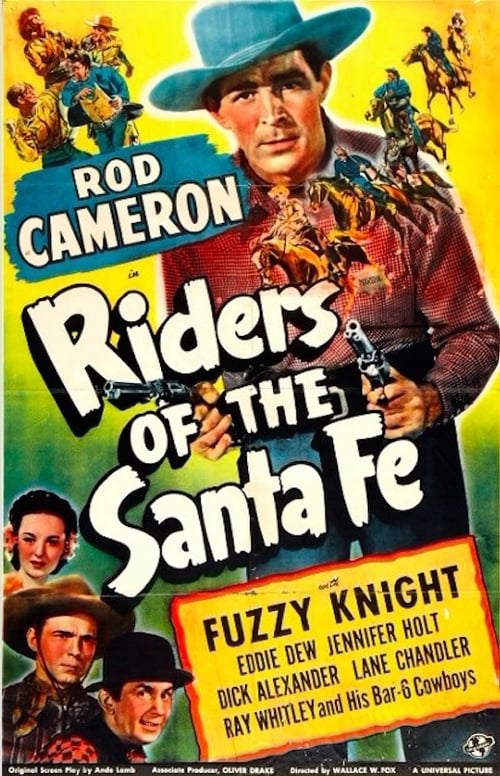
Riders of the Santa Fe
1944
No user ratings available yet
Representation score: 0.5 out of 10
Representation Score
Minimal
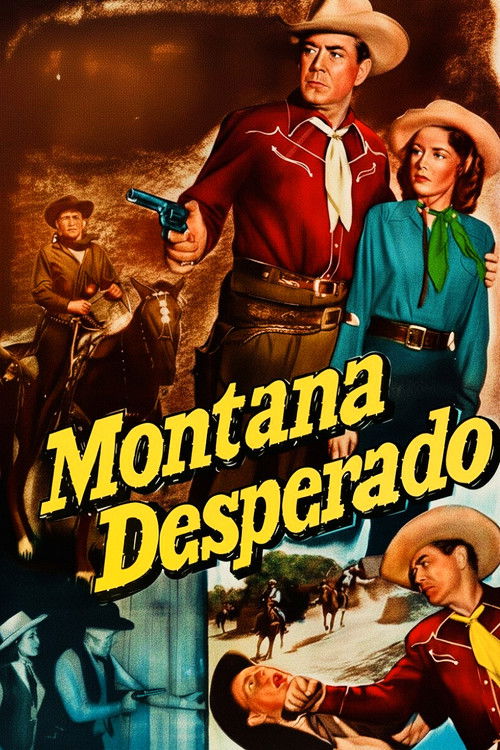
1951
ApprovedDirector
Wallace Fox
Runtime
51 minutes
Average Rating
No ratings yetNew Showbiz Analysis
Montana Desperado is a typical B-Western that emphasizes genre-standard narrative structures over social exploration. The film focuses on frontier law, individual heroism, and the protection of property rights, reinforcing the existing power structures of the time period. The production does not prioritize diversity, opting for a straightforward portrayal of frontier justice. This results in a narrative centered around established clichés of conventional masculinity and racial homogeneity. Ultimately, the film serves to reinforce mid-century social norms, focusing on the struggle for water rights within a narrowly defined demographic context.
Category Breakdown
The film does not include any identifiable LGBTQ+ characters or narratives. It focuses on traditional masculine roles and heterosexual relationships typical of mid-century cinema.
Women in the film play supporting roles, primarily serving as catalysts for the male protagonist. They do not have significant control over the plot or challenge the male-dominated structure.
The cast is mostly white, reflecting the homogeneous demographics of 1950s B-Westerns. The story centers on Anglo-Saxon perspectives regarding a local conflict over water rights.
The story upholds traditional Western institutions and property rights. It emphasizes the classic hero’s role in maintaining the status quo without offering social critiques.
There are no characters with visible or invisible disabilities. The film does not use disability as a theme or character trait.
Present on Screen
Limited or Absent
Official Synopsis
The story concerns a fierce struggle over water rights. Complicating the plot is the presence of a masked desperado who is systematically killing off local ranchers.
1944
1966
1941
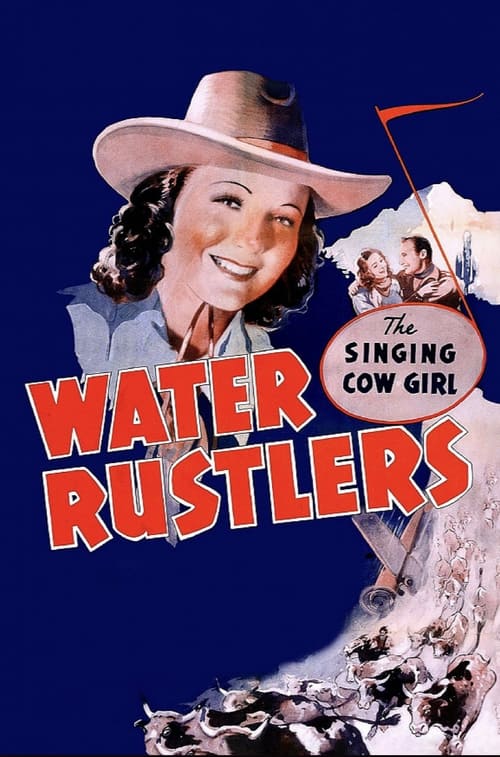
1939
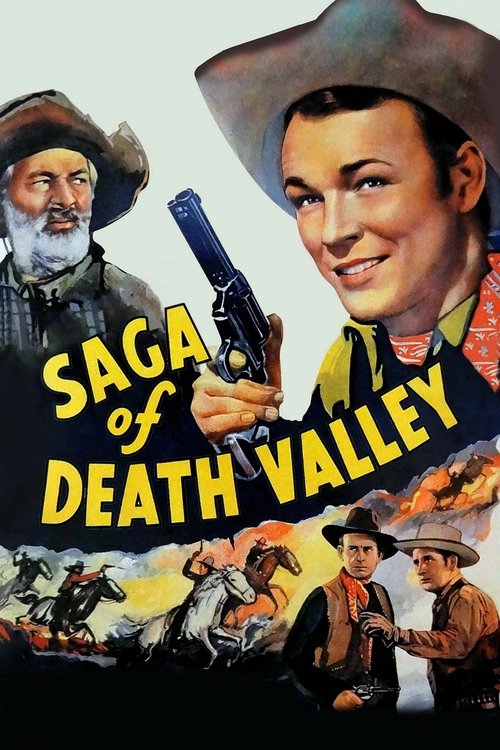
1939
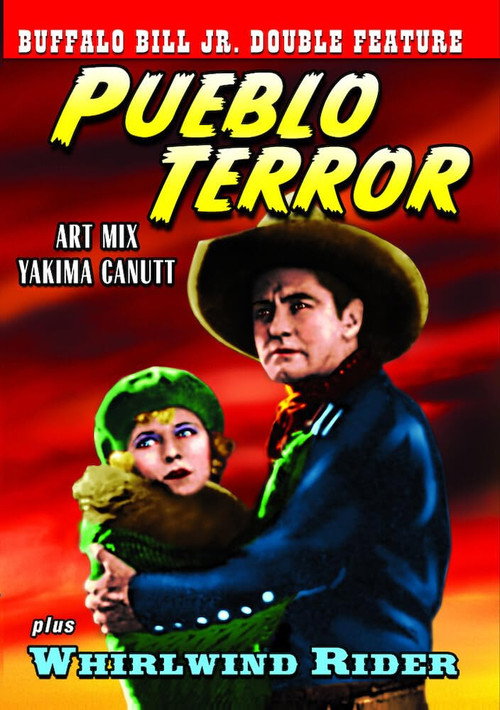
1931
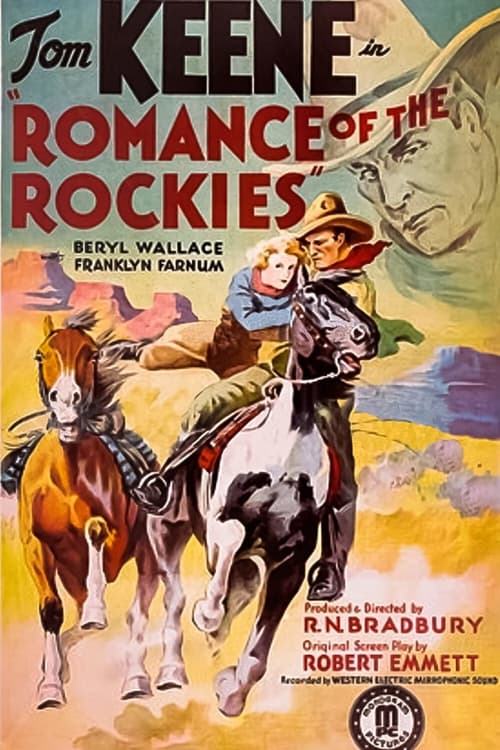
1937
1952
No reviews yet. Be the first to share your thoughts on this movie!
Use the rating form above to leave a star rating and optional review.