
Hit the Saddle
1937
No user ratings available yet
Representation score: 2.0 out of 10
Representation Score
Minimal
1944
ApprovedDirector
Wallace Fox
Runtime
55 minutes
Average Rating
No ratings yetNew Showbiz Analysis
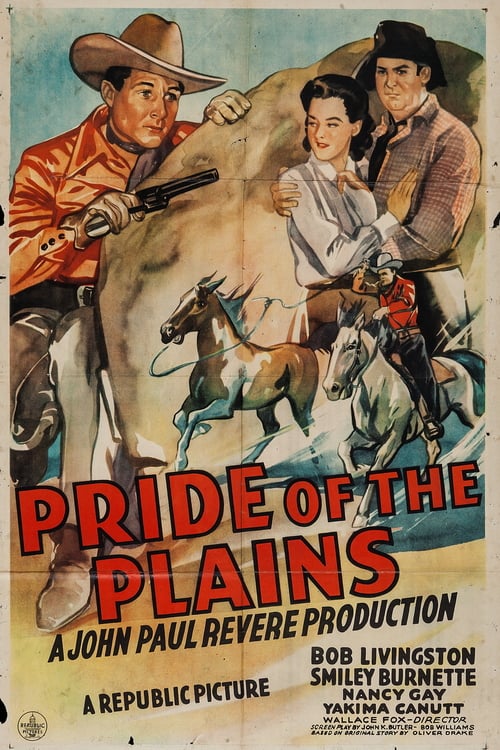
Pride of the Plains is a typical mid-century Western that emphasizes traditional genre conventions over social complexity. The story revolves around a conflict between Johnny Revere and Dan Hurley regarding wild horse laws, reinforcing the established hierarchies of the time. The film lacks depth in reflecting multiple aspects of identity, adhering to the casting standards typical of 1940s B-movies. It serves as a straightforward morality tale centered on masculine roles and legalism. Overall, the production offers little disruption to the social or demographic status quo, functioning as a classic example of conventional frontier storytelling.
Category Breakdown
The film centers on traditional Western themes involving land and animal laws. It does not depict any non-straight or non-cisgender identities or same-sex relationships.
The power dynamics revolve around masculine roles in law enforcement and criminal activities. The story focuses on conflicts between male characters.
The film reflects mid-century cinematic norms by focusing on Anglo-Saxon protagonists. It adheres to the traditional demographic standards of 1940s Hollywood.
The plot upholds conventional Western values emphasizing law and order. It operates within a framework of traditional frontier morality.
The narrative contains no depiction of characters with visible or invisible disabilities. There is no evidence of such portrayals within the story.
Present on Screen
Limited or Absent
Official Synopsis
Dan Hurley wants to sell wild horses and is trying to get the Wild Game Laws that protect them changed. To get his petition signed, his henchman paints his trained horse to look like the wild horse leader and has it kill a man. Johnny Revere finds traces of paint on a horse and tries to arrest Hurley and his men. But he is captured by the gang and is now slated to be the next victim of the trained horse.
1937
1940
1945

1944
1944
1940
1954
1946
No reviews yet. Be the first to share your thoughts on this movie!
Use the rating form above to leave a star rating and optional review.