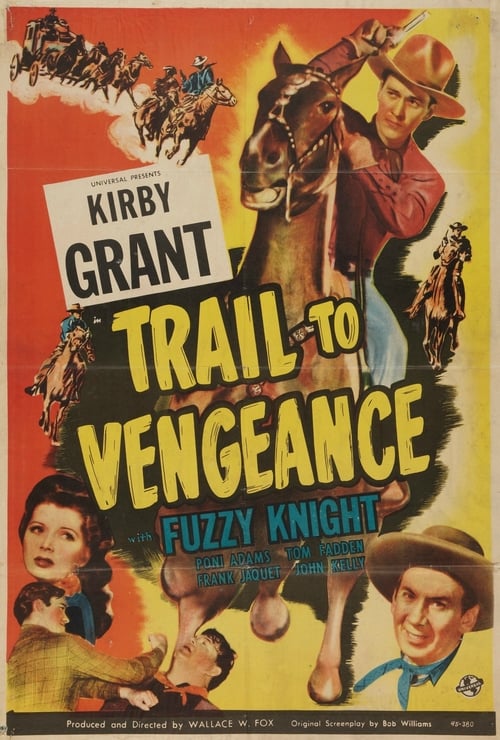
Trail to Vengeance
1945
No user ratings available yet
Diversity score: 2.1 out of 10

1951
ApprovedDirector
Wallace Fox
Runtime
51 minutes
Average Rating
No ratings yetSynopsis
Following his refusal to let his daughter Carol marry cowhand Bill Grant, rancher John Roberts is kidnapped, and Bill is hunted for the crime.
Overall Score
Minimal
Category Breakdown
LGBTQ+ Representation
The film adheres strictly to 1950s heteronormative standards. There is no presence of non-cisnormative identities or same-sex intimacy within the narrative.
Gender Representation
Female characters like Carol serve primarily as catalysts for male action. The story prioritizes male agency, leaving women in secondary, reactive roles.
Racial & Ethnic Diversity
The cast appears homogeneous, reflecting the era's focus on Anglo-Saxon archetypes. There is no indication of characters of color possessing significant agency.
Religious & Cultural Diversity
The plot reinforces traditional Western values regarding property and social contracts. It upholds established social orders rather than deconstructing them.
Disability Representation
The narrative lacks characters with visible or invisible disabilities. It focuses instead on the physical prowess typical of the Western genre.
Strengths
Areas for Improvement
AI Analysis
Blazing Bullets is a quintessential mid-century B-Western that prioritizes genre stability over social complexity. The film functions as a traditional narrative, reinforcing the status quo through its character archetypes and social structures. Representation is limited by the era's conventions. The story centers on male-driven conflict and property protection, offering little room for diverse identities or non-traditional perspectives. It serves as a standard example of the period's cinematic tropes.
1945
1950
1946
1950

1946
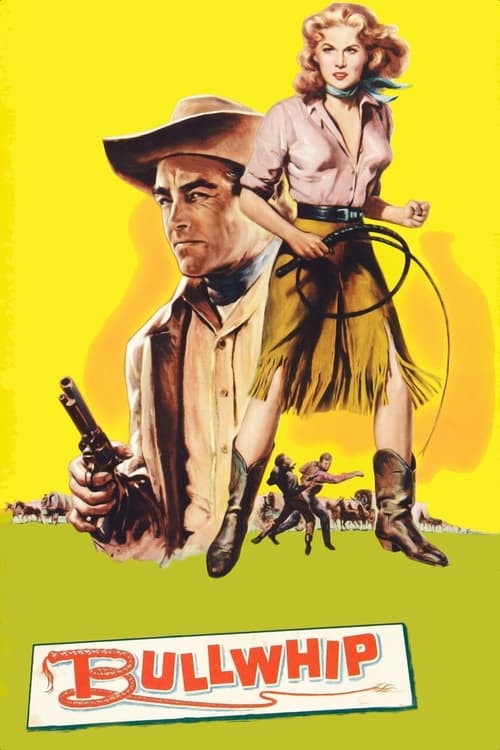
1958
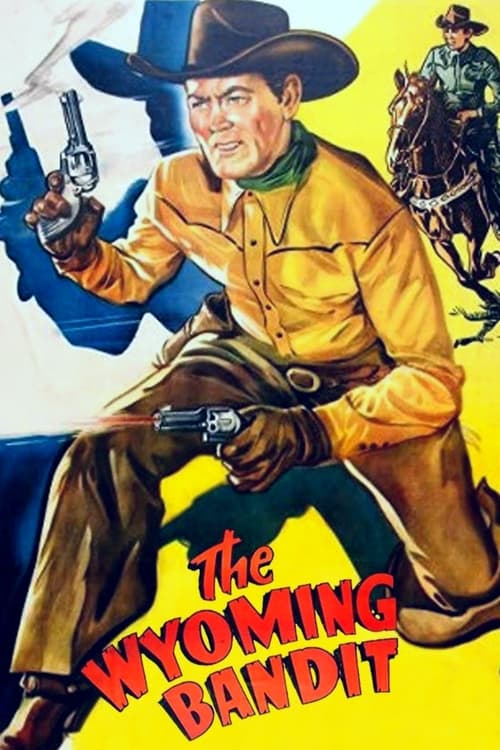
1949
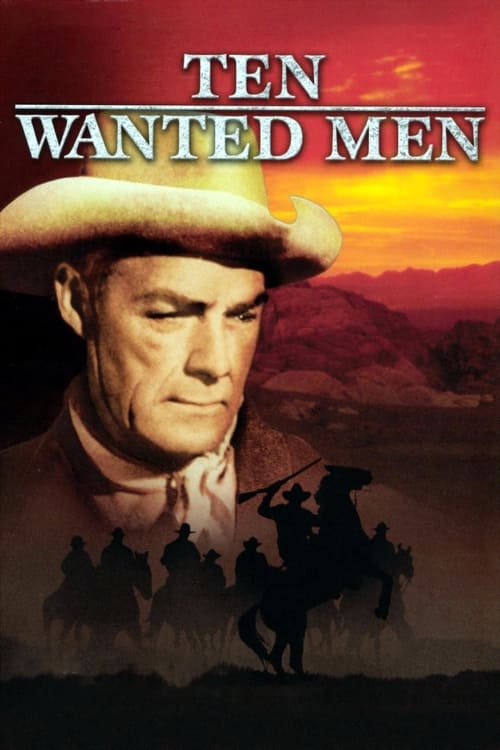
1955
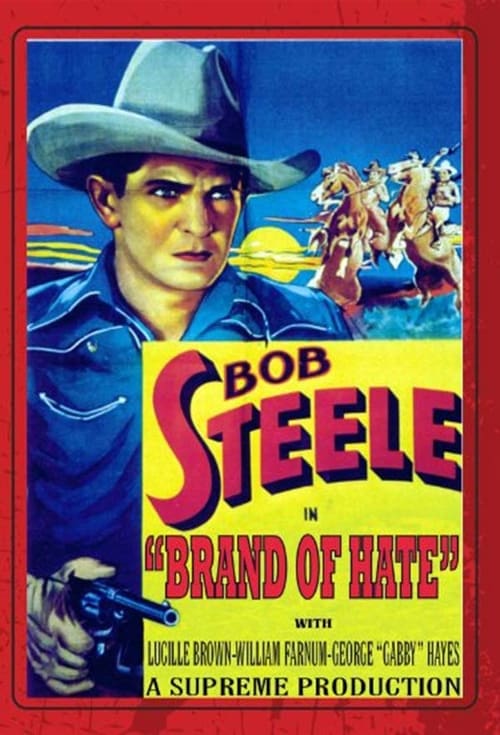
1934
1934

1939
1945
No reviews yet. Be the first to share your thoughts on this movie!
Use the rating form above to leave a star rating and optional review.