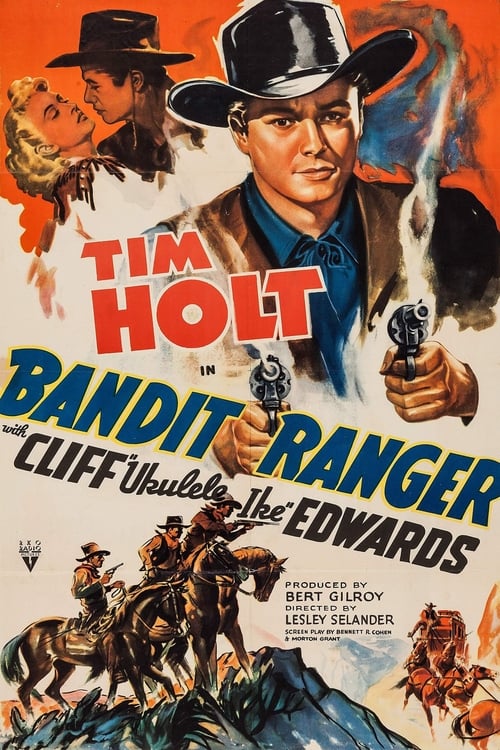
Bandit Ranger
1942
No user ratings available yet
Representation score: 1.2 out of 10
Representation Score
Minimal
1950
ApprovedDirector
Wallace Fox
Runtime
56 minutes
Average Rating
No ratings yetNew Showbiz Analysis
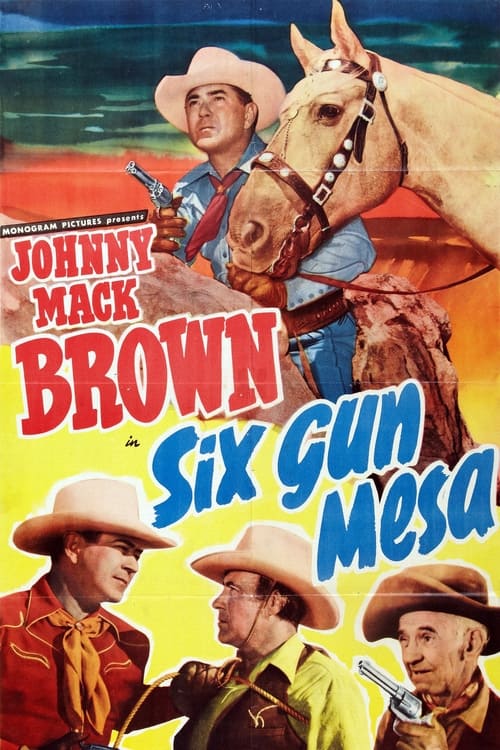
Six Gun Mesa is a quintessential 1950s B-western that prioritizes a streamlined, heroic archetype over social complexity. The film functions as a cultural time capsule, reinforcing the rigid social hierarchies and traditional moralities of its era. The narrative relies on a singular, masculine-driven plot centered on frontier law and individual heroism. This focus results in a lack of multi-layered depth, as the film avoids exploring diverse identities or challenging the status quo. Ultimately, the production follows established industry patterns of the mid-century, offering a culturally conservative experience that lacks ethnic plurality or gender parity.
Category Breakdown
The film adheres to mid-century cinematic norms, focusing on traditional masculine archetypes without depicting any non-cisgender identities or same-sex relationships.
The narrative ability to act is centered entirely on male characters. The plot is driven by male protagonists and antagonists, leaving female characters in peripheral roles that do not challenge patriarchal structures.
The social landscape is largely homogeneous and Anglo-centric. There is no evidence of significant racial blending or non-white ability to act within the frontier justice narrative.
The story promotes a binary view of morality and justice, reinforcing traditional Western institutions and the necessity of individual heroism to maintain social order.
The cast consists of able-bodied performers. No visible or invisible disabilities are integrated into the character arcs or used to explore different lived experiences.
Present on Screen
Limited or Absent
Official Synopsis
To get the herd on Six Gun Mesa, Carson has the owner and hands killed. But one hand, Dave Emmett was in town instead of with the cattle. So Carter kills a man and frames Dave for the murder. Johnny Mack Brown arrives just in time to stop the lynching and sets out to find the real killer. Getting the Doctor who falsified the murder evidence drunk gets him the information he wants and this leads to the showdown with Carson.
1942
1950
1950
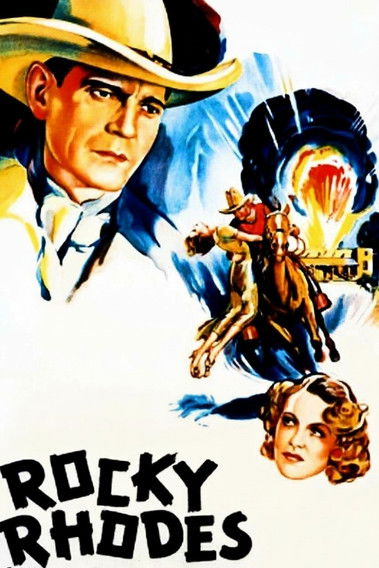
1934
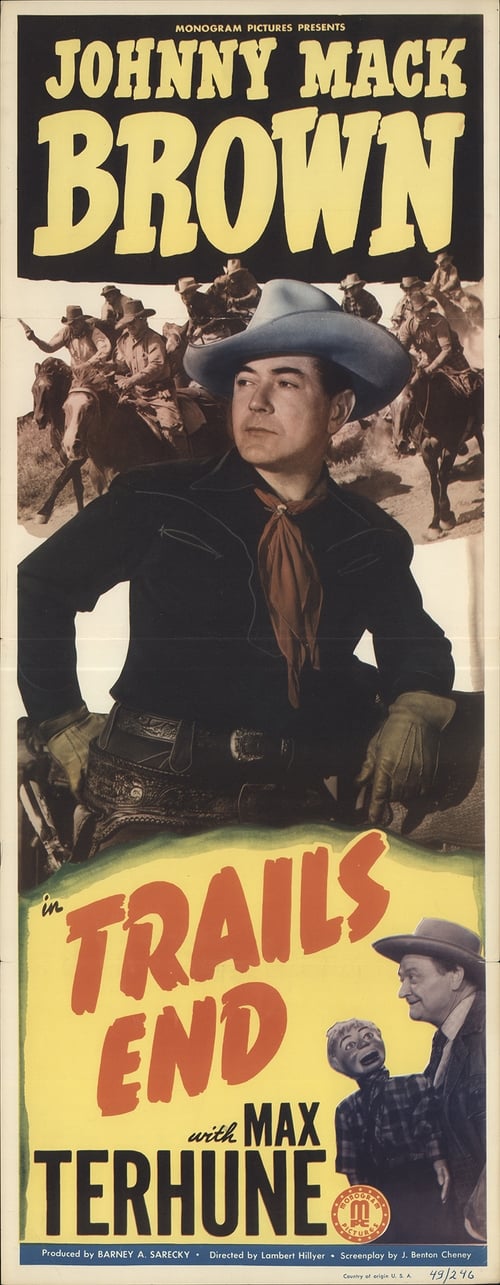
1949
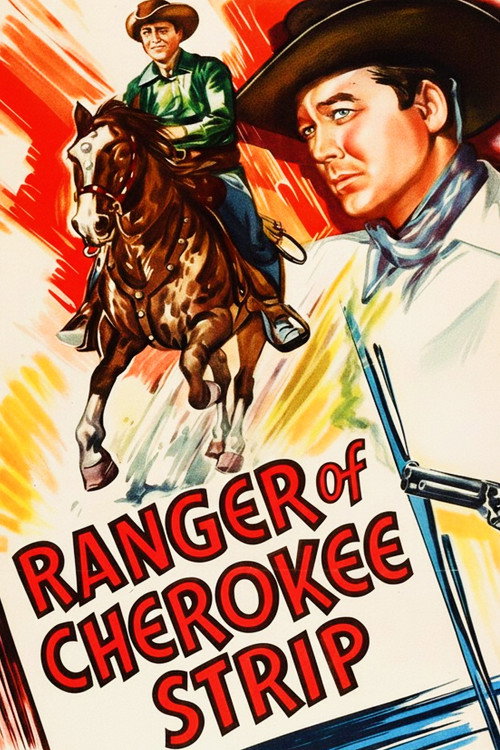
1949
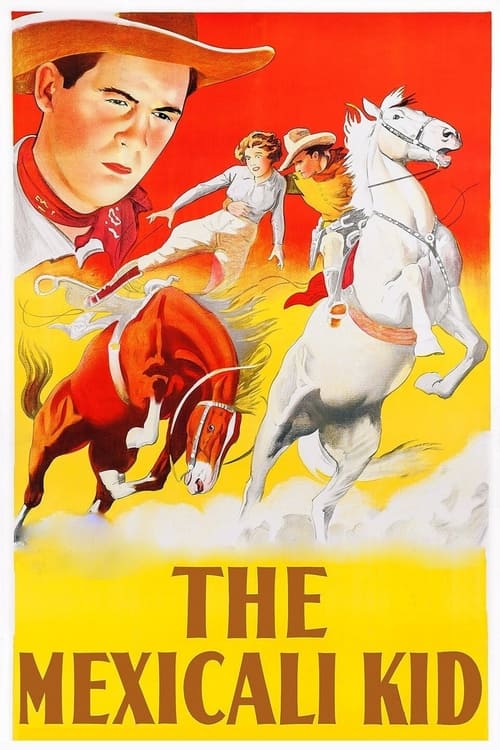
1938
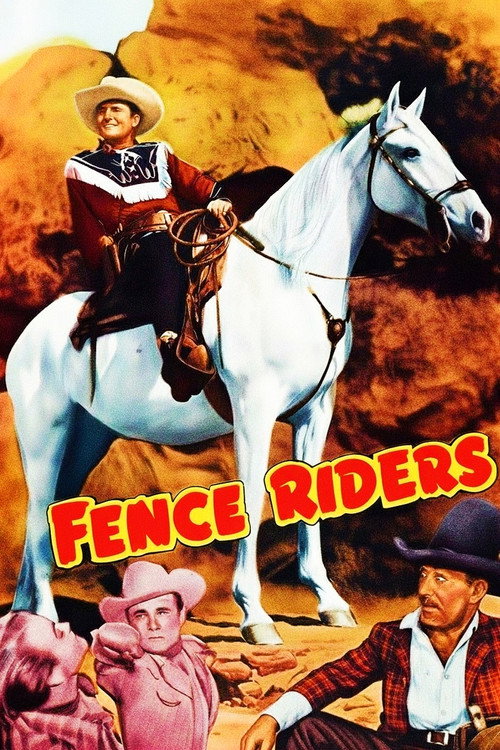
1950
No reviews yet. Be the first to share your thoughts on this movie!
Use the rating form above to leave a star rating and optional review.